Many people start a weight loss journey with the best intentions—cutting calories, skipping meals, or eliminating entire food groups. Yet the scale barely budges, or the weight creeps back quickly. The culprit is often not a lack of effort but a lack of balance. When you ignore how proteins, fats, and carbohydrates work together, your body struggles to burn fat efficiently, maintain muscle, and sustain energy. This is why overlooking macronutrient balance is one of the most common—and fixable—mistakes in weight loss.
What Does Macronutrient Balance Actually Mean?
Macronutrients are the nutrients your body needs in large amounts: protein, carbohydrates, and fat. Each plays a distinct role. Protein supports muscle repair and satiety. Carbohydrates provide quick energy for your brain and muscles. Fats help absorb vitamins and support hormone health. A balanced approach means getting enough of each, in proportions that match your activity level and goals—not cutting one out completely or loading up on only one type.
The Problem With Extreme Low-Fat or Low-Carb Diets
When weight loss stalls, the reflex is often to slash fat or carbs entirely. But very low-fat diets can leave you hungry and deprive your body of essential fatty acids. Very low-carb diets might cause initial water weight loss but can zap your energy for workouts and make it hard to stick with long-term. Neither approach teaches sustainable eating habits. The real issue isn’t fat or carbs themselves—it’s the imbalance that results when you eliminate a whole macronutrient group.
Your body doesn't thrive on extremes. It thrives on a steady, balanced supply of all three macronutrients.
How Protein Deficiency Derails Weight Loss
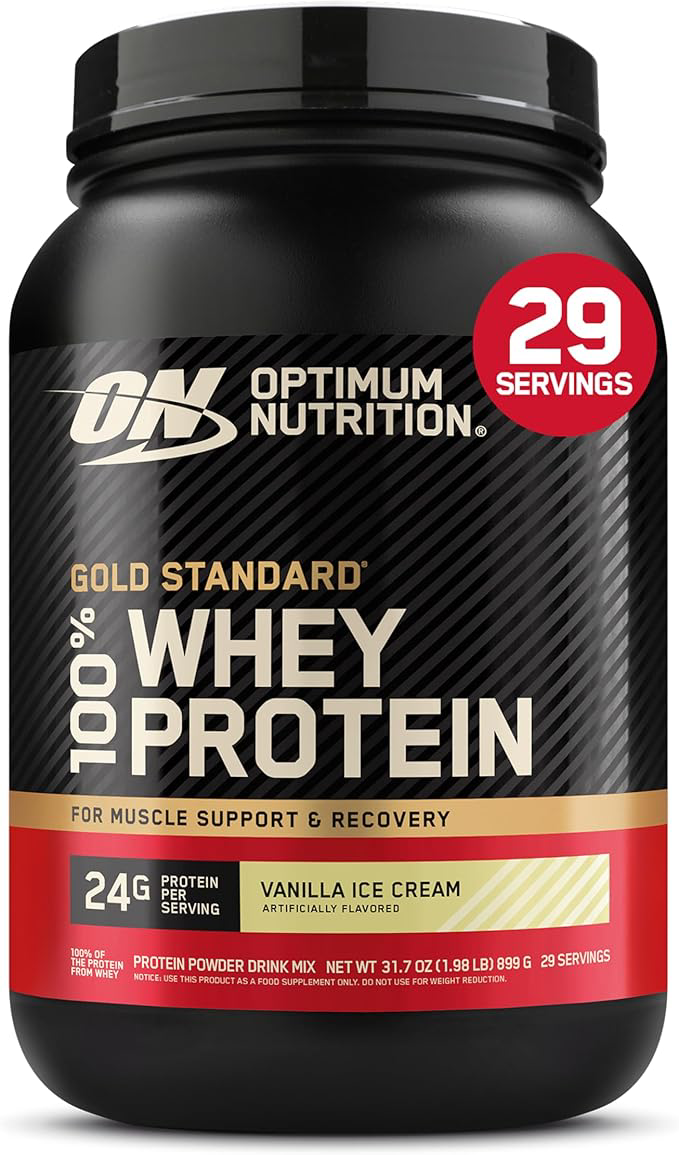
Protein is often the first macronutrient to drop when people cut calories. That is a mistake. Without enough protein, your body may break down muscle for energy, which lowers your resting metabolic rate. Less muscle means you burn fewer calories at rest. Protein also helps control hunger by reducing the appetite hormone ghrelin. Including a source of lean protein—chicken, fish, tofu, legumes—at every meal can keep you fuller longer and protect your metabolism during weight loss.
Fat: Not the Enemy It Once Was
For decades, dietary fat was portrayed as the enemy of weight loss. But healthy fats—from sources like avocados, nuts, seeds, and olive oil—are crucial for feeling satisfied and absorbing fat-soluble vitamins A, D, E, and K. When you cut fat too low, you may experience constant cravings and a lack of meal satisfaction. Including moderate amounts of healthy fat actually helps you eat less overall by turning off hunger signals.
Carbs Provide the Fuel Your Workouts Need
Carbohydrates have become controversial, but they are the preferred fuel for high-intensity exercise. If your workouts feel flat or you crash mid-day, you may not be eating enough carbs. The key is to choose fiber-rich, complex carbs like whole grains, fruits, and vegetables rather than refined sugars. These provide steady energy and keep blood sugar stable, which makes it easier to stick to your calorie goals without feeling deprived.
The Right Balance for Sustainable Weight Loss
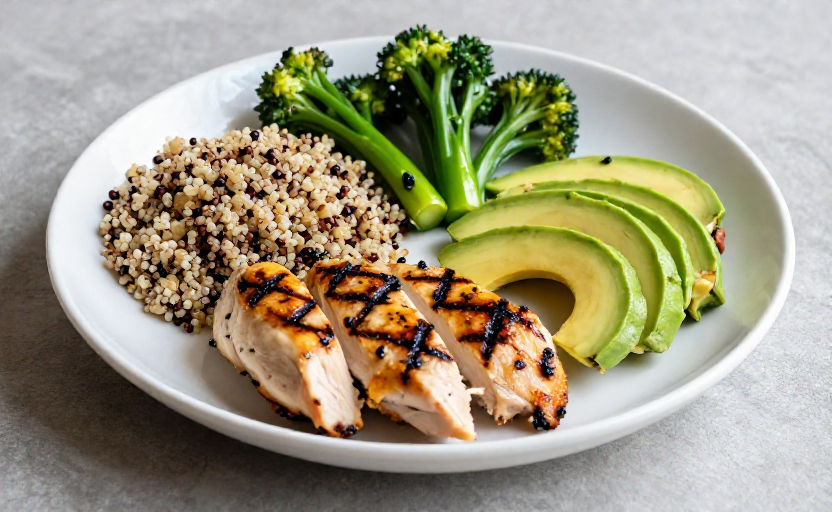
There is no single perfect ratio for everyone, but a good starting point for general health and weight loss is roughly 30% of calories from protein, 30% from fat, and 40% from carbohydrates. You can adjust based on how you feel and your activity level. The goal is consistency over perfection. A balanced plate looks like a serving of lean protein, a serving of complex carbs, and a source of healthy fat—plus plenty of vegetables.
Signs Your Macronutrients Are Out of Balance
If you are eating at a calorie deficit but still struggling, watch for these signs:
- Constant cravings or hunger — may indicate too few carbs or too little protein.
- Low energy during workouts — possibly not enough carbohydrates.
- Feeling cold or irritable — can signal too few calories or insufficient fat.
- Plateauing despite a strict diet — often due to muscle loss from inadequate protein.
Practical Steps to Get Back in Balance
Shift your focus from restriction to inclusion. Start by adding a source of protein to your breakfast. Swap a refined carb for a whole grain. Include a small serving of healthy fat at lunch. If you track food, look at the ratios—not just the total calories. Small adjustments can have a big impact on how your body responds to a calorie deficit. The goal is to feed your body in a way that supports fat loss while preserving muscle and energy.