
When your energy dips mid-afternoon and you reach for something sweet, the culprit might not be a lack of willpower—it could be what you ate (or didn’t eat) earlier in the day. Many people skip breakfast, push lunch late, or cut out a meal in an attempt to reduce calories. But this well-intentioned habit often backfires, leaving you battling intense urges for sugar and refined carbs.
Understanding why skipping meals sets off sugar cravings can help you break the cycle. Instead of fighting your body’s signals, you can work with them to maintain steady energy and a calm appetite.
Why Skipping Meals Triggers Sugar Cravings
Your body relies on glucose for fuel. When you go several hours without eating, your blood sugar levels drop. In response, the body releases hormones like cortisol and adrenaline to raise glucose back up. This stress response can also trigger a surge in appetite, especially for quick-energy foods—those sugary snacks and simple carbs that raise blood sugar fast.
Furthermore, skipping meals often leads to a phenomenon called “rebound hunger.” When you finally eat, you’re more likely to overeat or choose foods that deliver a rapid spike in blood sugar, followed by a crash that sends you searching for more sweets.
A steady intake of balanced meals and snacks helps keep blood sugar stable, reducing the intensity and frequency of sugar cravings.
The Blood Sugar Roller Coaster
Skipping a meal creates a gap in your fuel supply. As blood sugar begins to fall, you might feel irritable, tired, or unfocused. These symptoms are your body’s way of asking for energy. If you then consume something sugary—a candy bar, a soda, or a pastry—your blood sugar shoots up quickly. The pancreas releases a large amount of insulin to bring it back down, often overshooting and causing another low. This cycle of spikes and crashes keeps cravings alive and makes it harder to resist sweets.
Over time, this pattern can also affect how your body responds to insulin, which may contribute to weight gain and increased hunger.
Practical Ways to Break the Cycle
Instead of skipping meals, focus on meal timing and composition. Here are a few strategies that can help you manage cravings without feeling deprived:
- Eat within an hour of waking. A breakfast that includes protein, healthy fat, and fiber—think eggs with vegetables or Greek yogurt with berries and nuts—sets a stable foundation for the day.
- Don’t let more than four or five hours pass without eating. A mid-morning or mid-afternoon snack that combines protein with a carbohydrate (like apple slices with almond butter) can prevent energy dips.
- Include protein, fiber, and fat at every meal. These three nutrients slow digestion, keep blood sugar steady, and promote fullness. For example, a salad with grilled chicken, avocado, and quinoa is far more satisfying than a plain salad.
- Stay hydrated. Sometimes thirst is mistaken for hunger or a craving for sugar. Keep a water bottle handy and sip throughout the day.
What to Eat When a Sugar Craving Strikes
Even with regular meals, cravings can still appear. When they do, reach for something that provides both sweetness and staying power:
- A small piece of fruit with a handful of nuts
- A square of dark chocolate (70% cocoa or higher)
- A small smoothie made with spinach, banana, and unsweetened almond milk
- A few dates stuffed with almond butter
These options give you a touch of sweetness while also providing nutrients that help stabilize your blood sugar.
Adjusting Your Mindset Around Meals
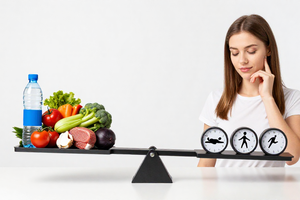
If you’ve been skipping meals to lose weight, it’s worth rethinking that approach. Research shows that eating regularly—especially breakfast—is linked to better weight management and fewer cravings. The goal is not to eat more, but to eat smarter. Distributing your food intake across the day helps your metabolism work efficiently and keeps hunger hormones in balance.
Many people find that when they stop skipping meals, their overall calorie intake naturally decreases because they no longer experience the out-of-control hunger that leads to overeating. This can make weight management easier in the long run.