
When a sugar craving hits, many of us reach for a piece of fruit without a second thought. It's fruit — it's natural, it's healthy, so it must be the right choice, right? Not necessarily. While fruit is packed with vitamins, fiber, and antioxidants, relying on it as a go-to strategy for managing sugar cravings can backfire in ways that keep you stuck in the very cycle you're trying to break.
Understanding why this happens — and what to do instead — can make the difference between fighting cravings all day and finally feeling in control.
Why fruit alone doesn't stop sugar cravings
The problem isn't fruit itself. It's the context. When your body has become accustomed to high-sugar foods — think cookies, pastries, sweetened coffee, or even fruit juice — the brain's reward system has been conditioned to expect a quick, intense hit of sweetness. Fruit, particularly sweeter varieties like mangoes, grapes, or bananas, can provide a similar sugar spike, albeit with more fiber and nutrients.
But here's the nuance: if you are using fruit as a standalone snack every time a craving appears, you may be reinforcing the habit of satisfying cravings with sugar — any sugar. Over time, this can keep your palate tuned to sweet flavors and prevent your taste buds and brain from recalibrating to less sweet foods.
A common misstep: swapping a chocolate bar for a large bowl of grapes. Both provide a significant sugar load, even if one comes with better nutrition.
The blood sugar roller coaster
Fruit contains natural sugars — fructose and glucose. While whole fruit also brings fiber, which slows absorption, eating fruit alone (especially on an empty stomach) can still cause a noticeable rise in blood sugar, followed by a drop. That drop is often what triggers the next round of cravings.
This is especially true for fruits with a higher glycemic index, such as ripe bananas, watermelon, and dates. When you eat these without any protein, fat, or additional fiber, you set yourself up for another energy dip — and another craving — a couple of hours later.
Not all fruit is equal for craving control
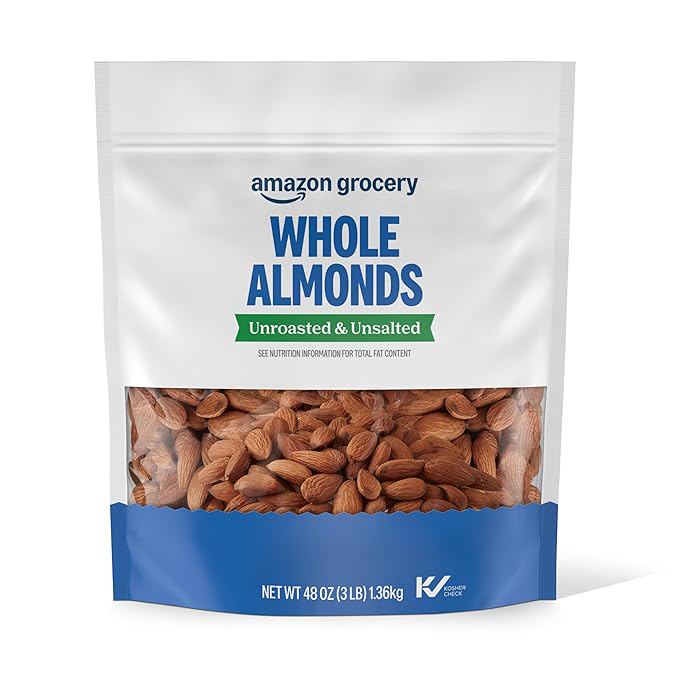
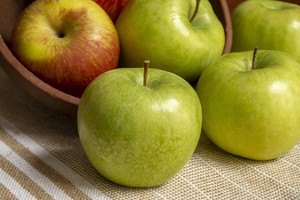
If you're going to include fruit while managing cravings, choosing the right type and serving size matters. Lower-sugar options like berries, green apples, and citrus fruits tend to have a milder effect on blood sugar. Pairing even these with a source of protein or healthy fat — a handful of almonds, a spoonful of nut butter, or plain yogurt — can blunt the blood sugar response and keep you satisfied longer.
What to do instead of reaching for fruit first
Managing sugar cravings effectively requires a shift in strategy — not just swapping one sweet food for another. Here are practical steps that address the root cause:
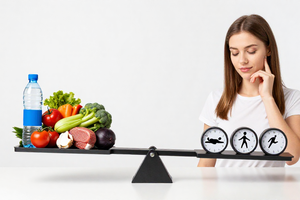
- Eat balanced meals. A meal that combines protein, fat, and fiber-rich carbohydrates helps keep blood sugar stable for hours, reducing the intensity and frequency of cravings.
- Wait out the craving. Most sugar cravings last 10 to 20 minutes. Distract yourself — walk, drink water, or do a quick task — and see if the urge passes. This simple pause can weaken the habit loop over time.
- Check your stress and sleep. Cravings often intensify when you're tired or stressed. Cortisol and hunger hormones go up, and your body seeks quick energy. Addressing fatigue and stress can have a bigger impact than any food swap.
- If you eat fruit, make it a part of a meal. Instead of a standalone fruit snack, have a small apple with a tablespoon of almond butter, or add berries to a bowl of full-fat Greek yogurt. This changes the metabolic response entirely.
Can fruit ever be part of a craving-reset plan?
Absolutely. The goal isn't to eliminate fruit — it's to use it intentionally. During a structured reset period (often called a "sugar detox" or "craving reboot"), many people benefit from reducing all concentrated sweeteners — including dried fruit, fruit juice, and very sweet fresh fruit — for a week or two. This allows taste preferences to shift. After that, fruit can be reintroduced in sensible portions, ideally as part of a meal rather than a standalone snack.
Some people find that after a reset, even a single date or a few berries tastes noticeably sweeter than it did before. That's the recalibration working.
Practical takeaways
- Eating fruit alone when a craving hits can keep you locked into a sugar-seeking pattern.
- Pair fruit with protein or fat to stabilize blood sugar and extend satiety.
- Choose lower-sugar fruits (berries, green apples) over high-sugar options (ripe mango, grapes, dried fruit) when cravings are frequent.
- Consider a short-term reset where you reduce all sweet foods — including fruit — to retrain your palate.
- Address sleep, stress, and meal balance first; these factors often drive cravings more than the specific snack choice.
Understanding the role of fruit in your sugar-craving management plan is about strategy, not avoidance. By shifting how — and when — you eat fruit, you can enjoy its benefits without accidentally reinforcing the habit you're trying to change.