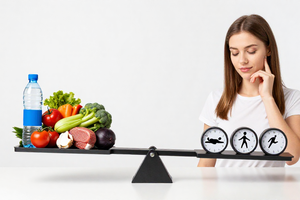

That 3 p.m. cookie craving or the urge for something sweet after dinner can feel impossible to resist, especially when you're relying on sheer willpower. But the latest research in nutrition science suggests that fighting sugar cravings isn't about being stronger—it's about being smarter. By addressing the underlying biological and behavioral triggers, you can reduce cravings naturally without constantly battling your own impulses.
Here are four expert-backed strategies that shift the focus from deprivation to sustainable habit change.
1. Balance your blood sugar with protein and fiber
One of the most common drivers of sugar cravings is a blood sugar roller coaster. When you eat a meal heavy in refined carbohydrates (think white bread, pasta, or sugary snacks), your blood sugar spikes sharply, then crashes. That crash signals your brain that it needs energy fast—and the quickest fuel it knows is sugar.
The fix is surprisingly simple: pair every meal and snack with a source of protein and fiber. Protein slows digestion and stabilizes glucose release, while fiber adds bulk and further buffers blood sugar spikes. Examples include apple slices with almond butter, Greek yogurt with berries, or a salad with grilled chicken and avocado.
A 2021 study in the Journal of Nutrition found that participants who ate a high-protein breakfast (around 30 grams) reported fewer cravings later in the day compared to those who ate a low-protein breakfast. The key is consistency: stable energy from balanced meals reduces the biological drive to seek quick sugar fixes.
2. Manage stress to lower cortisol-driven cravings
Cortisol, the body's primary stress hormone, plays a direct role in sugar cravings. When you're under chronic stress, cortisol levels remain elevated, which increases appetite and specifically drives cravings for high-sugar, high-fat foods. This is an evolutionary holdover—stress once signaled a need for quick energy to survive a threat. Today, that same mechanism leads you toward the office candy jar.
Mindfulness practices offer a proven countermeasure. A 2019 meta-analysis in Appetite reviewed 19 studies and found that mindfulness-based interventions significantly reduced sugar cravings and emotional eating. Even brief practices matter: taking five slow, deep breaths before reaching for a snack can interrupt the automatic craving-response loop.
Other stress-management techniques include progressive muscle relaxation, a short walk outdoors, or simply naming the emotion you're feeling. The goal isn't to eliminate stress but to create a pause between the urge and the action.
3. Get enough sleep—and the right kind
Sleep deprivation alters two key hunger-regulating hormones: ghrelin (which stimulates appetite) increases, while leptin (which signals fullness) decreases. Even one night of poor sleep can make high-calorie, sugary foods more appealing the next day. Research published in Sleep found that sleep-restricted participants consumed an average of 300 extra calories daily, with a disproportionate amount coming from sugar.
Improving sleep hygiene can directly reduce cravings. Aim for seven to nine hours per night, keep your bedroom cool and dark, and avoid screens for at least 30 minutes before bed. Consistent sleep and wake times also help regulate your circadian rhythm, which in turn stabilizes appetite signals.
If you're prone to late-night snacking, consider a small, protein-rich snack before bed, such as a handful of nuts or a slice of turkey. This can prevent midnight blood sugar dips that trigger cravings.
4. Identify and break the habit loop
Many sugar cravings are less about biological need and more about conditioned habits. You might always have a sweet treat with your afternoon coffee, or dessert feels incomplete without something sugary. This is the classic habit loop: cue (time of day, location, emotion), routine (eating sugar), reward (pleasure or comfort).
To break it, change one element at a time. Keep the same cue (afternoon coffee) and the same reward (a moment of pleasure), but swap the routine. Try a cup of herbal tea, a square of dark chocolate (which has less sugar and more antioxidants), or a flavored seltzer. The brain still gets the reward pattern, but you're retraining it to accept a different input.
Another powerful tactic is to delay. When a craving hits, set a timer for 10 minutes and do something else—stretch, text a friend, load the dishwasher. Most cravings pass within that window. The more you practice this, the weaker the neural pathway becomes.
A quick note: Gradual reduction works better than cold turkey. If you drink three sodas a day, cutting to two for a week, then one, then none, gives your taste buds and brain time to adjust. That makes the process feel less like deprivation and more like recalibration.
Ultimately, these strategies work because they address the root causes of cravings rather than fighting them head-on. With consistent practice, you may find that your desire for sugar diminishes naturally—without needing an iron will.