That mid-afternoon slump hits, and suddenly a candy bar or a bag of chips seems like the only solution. Sugary snacks offer a quick burst of energy, but they're almost always followed by a crash that leaves you hungrier and more fatigued than before. The real trick to staying satisfied between meals isn't willpower—it's choosing foods that work with your body's natural hunger signals, not against them.
Below are six nutrient-dense foods that can replace processed sweets and refined carbs. They are chosen specifically for their ability to promote satiety (the feeling of fullness), stabilize blood sugar, and quiet cravings without leaving you feeling deprived.
1. Oats: The steady-energy breakfast (and snack) champion
A bowl of oatmeal isn't just for breakfast. Oats are rich in beta-glucan, a type of soluble fiber that forms a gel-like substance in your digestive tract. This slows down digestion and the absorption of sugar into your bloodstream, preventing the blood sugar spikes and crashes that trigger cravings. Steel-cut or rolled oats are best; they have more fiber than instant varieties.
For a savory twist that feels like a real meal, top your oats with a poached egg and a sprinkle of black pepper. For a sweeter option, add a handful of berries and a tablespoon of almond butter. The combination of fiber, protein, and healthy fat is what keeps hunger at bay for hours.
2. Lentils and beans: The protein-fiber powerhouse
Legumes like lentils, chickpeas, and black beans are a double threat against cravings. They provide both protein and fiber, a combination that slows stomach emptying and prompts the release of satiety hormones like cholecystokinin (CCK). A small study in the Journal of the American College of Nutrition found that participants who ate a legume-based meal reported significantly less hunger and more fullness than those who ate a calorie-matched meal of pasta and bread.
Try roasting chickpeas with olive oil and smoked paprika for a crunchy snack, or add cooked lentils to a salad for a substantial lunch. They keep you full without the energy crash that follows a sugary snack.
3. Nuts and seeds: The smart, portion-controlled crunch
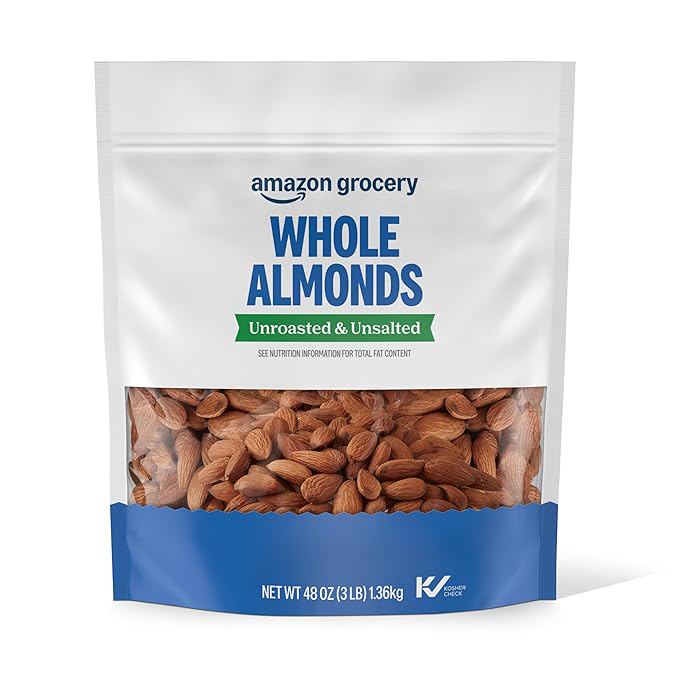
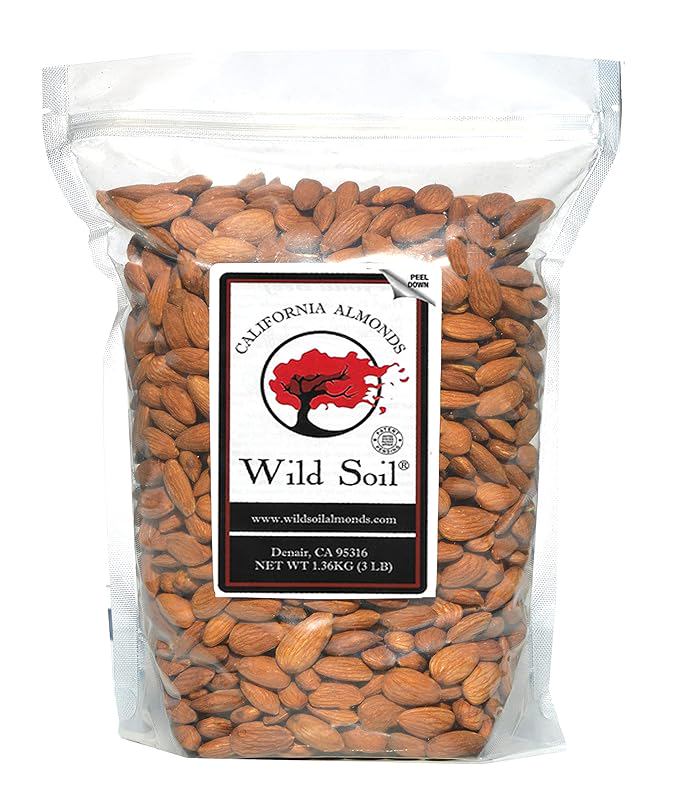
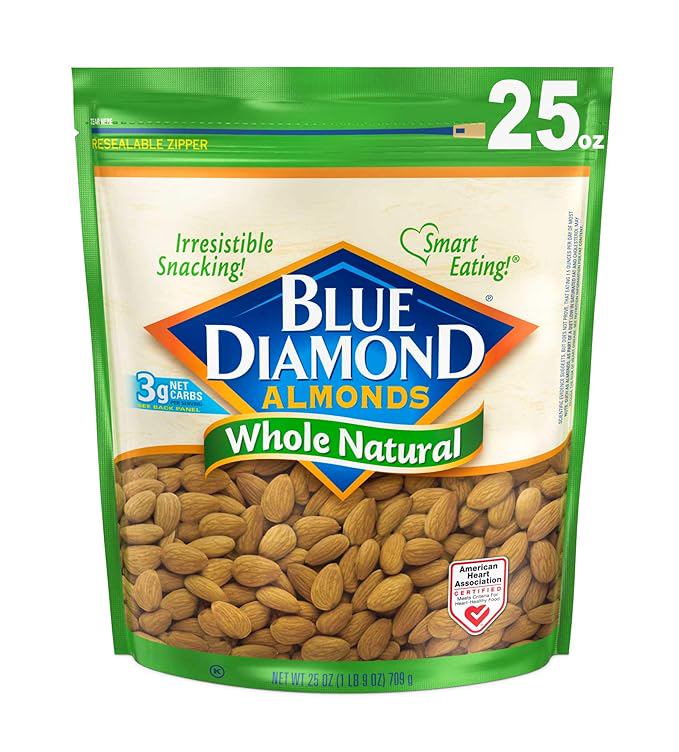
Almonds, walnuts, pistachios, chia seeds, and flaxseeds are packed with healthy unsaturated fats, protein, and fiber. The fat content, in particular, triggers the release of cholecystokinin and also slows digestion, creating a long-lasting feeling of fullness. A 2013 review in the British Journal of Nutrition suggested that nut consumption is associated with reduced hunger and increased satiety, partly because nuts require thorough chewing, which gives your brain more time to register fullness.
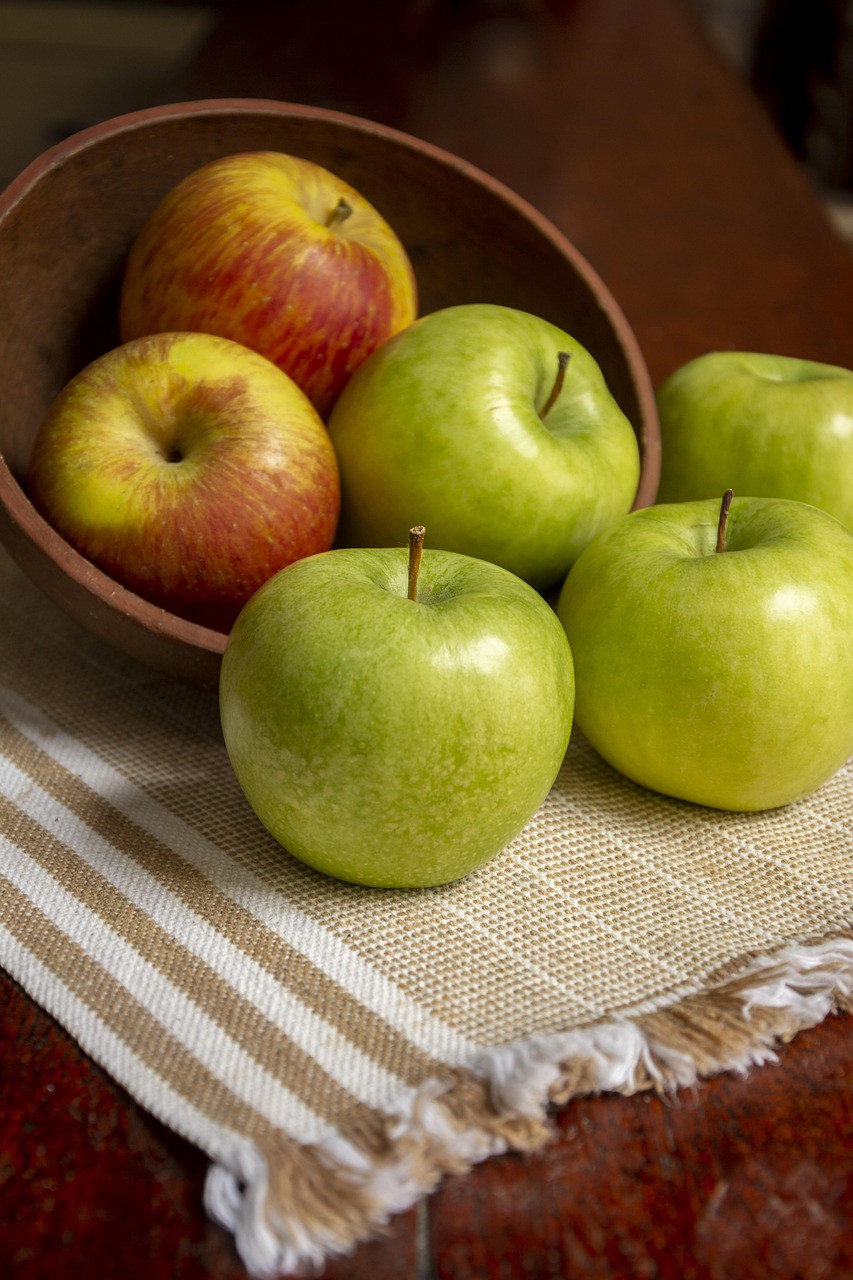
A small handful (about 1 ounce or a quarter-cup) is an ideal serving. Pair almonds with an apple for a satisfying snack that balances sweetness with protein and fat, or sprinkle pumpkin seeds over yogurt for added crunch.
4. Eggs: The gold standard for appetite control
Eggs are one of the most protein-dense foods available, and protein is the most satiating macronutrient. A 2008 study published in the journal Obesity Research compared a breakfast of eggs and toast with a bagel-based breakfast of equal calories. Participants who ate the egg breakfast felt fuller, ate fewer calories at their next meal, and reported lower levels of ghrelin (the hunger hormone) over the next 24 hours.
Hard-boiled eggs make an excellent portable snack. For a quick savory bite, try a sliced hard-boiled egg on a rice cake with a dash of Everything Bagel seasoning. The high-quality protein keeps blood sugar steady and cravings at a distance.
5. Greek yogurt: Protein-rich and versatile
Plain, unsweetened Greek yogurt is strained to remove much of its liquid whey, resulting in a product that is roughly twice as high in protein as regular yogurt. The protein content, combined with probiotics and a small amount of fat, makes it a strong ally against sugar cravings. A 2018 study in the Journal of Nutrition found that high-protein snacks (like Greek yogurt) improved appetite control and reduced subsequent food intake compared to higher-fat or higher-carb snacks.
Avoid flavored yogurts, which are often loaded with added sugar. Instead, buy plain Greek yogurt and add your own flavor with a few fresh berries, a drizzle of honey, or a sprinkle of cinnamon. The protein will keep you satisfied, while the natural sweetness satisfies the desire for something sweet.
6. Avocado: The creamy, satisfying fat
Avocado is unique among fruits for its high content of monounsaturated fats (the same heart-healthy fats found in olive oil) and fiber. One-third of a medium avocado provides about 3 grams of fiber and nearly 7 grams of healthy fat. Research published in the Nutrition Journal in 2013 showed that adding half an avocado to a meal significantly increased feelings of satiety and reduced the desire to eat for three to five hours afterward.
Mash a quarter of an avocado on a slice of whole-grain toast, or slice it into a salad or alongside an egg. Its creamy texture and mild flavor complement savory dishes wonderfully and can help you feel full and content between meals.
A final note: Food alone cannot solve every craving. Thirst, boredom, and stress often masquerade as hunger. Before reaching for a snack, pause and drink a glass of water. If you're still hungry, one of the foods above will serve you far better than a package of cookies.