You have likely heard the advice to drink a glass of water before eating, but does it actually help you eat less? Emerging research and expert insights suggest that this simple habit can support portion control by working with your body's natural satiety signals. Understanding the science behind pre-meal hydration can help you use water as a practical tool for managing how much you eat, without relying on restrictive diets or complicated rules.
When you drink water before a meal, you are doing more than just quenching your thirst. The act of filling your stomach with a calorie-free liquid activates stretch receptors in the stomach wall. These receptors send signals to your brain that help you recognize fullness earlier in the meal. A 2018 study published in Clinical Nutrition Research found that adults who drank 500 ml of water roughly 30 minutes before a low-calorie meal consumed significantly fewer calories compared to those who did not drink water beforehand. This effect appears strongest in middle-aged and older adults, though younger individuals can also benefit from the practice.
How water influences hunger and fullness
The stomach is designed to detect volume, not just nutrients. When you drink water before eating, the stomach expands slightly, which triggers vagus nerve signals to the hypothalamus in the brain. This process essentially primes your body for satiety before you take the first bite. Over the course of a meal, this early fullness signal may help you stop eating sooner rather than later.
Additionally, dehydration can sometimes mask itself as hunger. The hypothalamus manages both thirst and appetite, and the two sensations can become confused. By drinking water before a meal, you ensure you are not mistaking thirst for hunger, which helps you eat only what your body truly needs. A 2021 review in Nutrients noted that adequate hydration status is linked to better appetite regulation and lower overall energy intake in certain populations.
Practical tips for pre-meal hydration
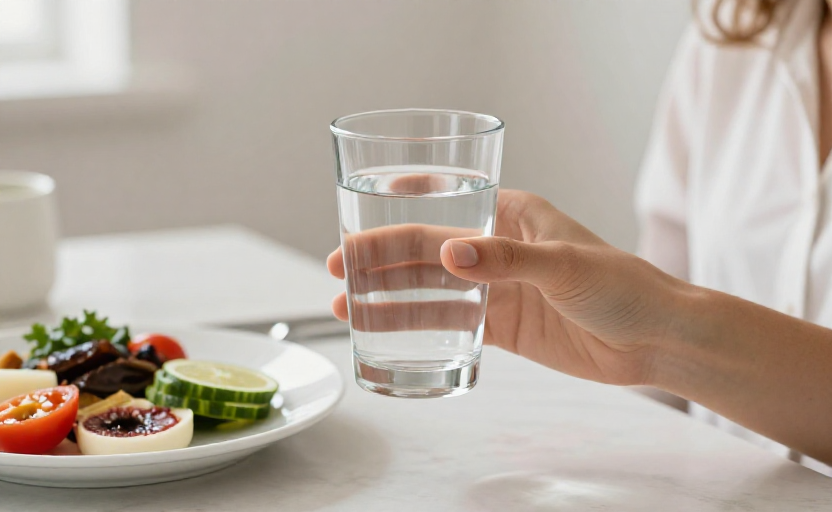
To get the most out of this strategy, timing and temperature matter. Experts recommend drinking 16 to 20 ounces of water about 20 to 30 minutes before your meal. This window gives your stomach enough time to sense the volume without interfering with digestion once you start eating. Drinking during the entire meal may dilute gastric juices slightly, so it is best to sip most of your water before the first bite.
Temperature also plays a role. Some research suggests that cold water may slightly increase metabolic rate as your body works to warm it, but room-temperature water is equally effective for promoting fullness. The key is consistency. If you find plain water boring, you can add a slice of lemon, cucumber, or a few mint leaves to enhance the flavor without adding calories or artificial sweeteners, which may disrupt satiety cues.
Who benefits most from this habit
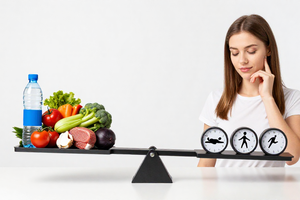
Water before meals is a low-risk, low-cost intervention that can support weight management when paired with mindful eating. It is not a magic bullet, but it is a reliable foundation.
People who are trying to lose weight or maintain a healthy weight often find pre-meal hydration helpful because it reduces the calorie density of the meal without requiring willpower. Older adults may see more pronounced effects because age-related declines in thirst perception can lead to underhydration and overeating. However, individuals with certain medical conditions—such as kidney failure or congestive heart failure—should consult a doctor before significantly increasing fluid intake, as they may need to restrict water for medical reasons.
Potential pitfalls to avoid
Drinking too much water too quickly can cause discomfort or bloating, which may actually make it harder to eat a balanced meal. Start with a moderate amount—about one standard glass—and adjust based on how your body responds. Also, do not rely solely on water to control portions; it works best when combined with protein-rich foods, vegetables, and whole grains that naturally promote satiety. If you drink water but then rush through your meal, you may ignore fullness signals entirely. Eating slowly, chewing thoroughly, and putting your fork down between bites can help you register the fullness that water initiated.
What the research says about long-term outcomes
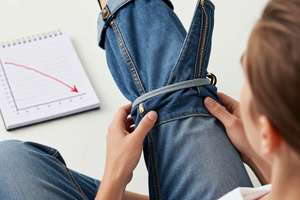
Studies on pre-meal water consumption and weight loss show modest but consistent results. A 2023 meta-analysis of randomized controlled trials found that participants who drank water before meals lost an average of 2 to 3 pounds more over 12 weeks compared to those who did not. While these numbers may seem small, the habit contributes to gradual, sustainable change rather than rapid weight loss that is hard to maintain. Experts emphasize that water is not a substitute for a healthy diet or exercise, but it is a supportive behavior that strengthens your ability to manage portions day after day.
To make the habit stick, pair it with a routine. For example, set a reminder on your phone 30 minutes before lunch and dinner, or place a filled water bottle on the counter as a visual cue. Over time, drinking water before meals can become an automatic part of your eating routine, helping you stay hydrated and in tune with your body's hunger signals.