We have all been there: an indulgent brunch turns into a pizza dinner, followed by dessert and maybe a few too many snacks. By the end of the day, your carbohydrate intake is significantly higher than usual, and you may feel sluggish, bloated, or just off. Rather than resorting to a crash diet or skipping meals the next morning—which tends to backfire—you can use strategic food choices to gently guide your body back toward balance.
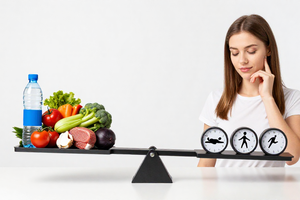
Rebalancing your macronutrients after a carb-heavy day does not mean punishing yourself. It means intentionally shifting the composition of your next few meals to support stable blood sugar, reduce water retention, and restore your energy levels. Here is how to approach it, starting with the most effective thing you can eat.
Why Protein Is Your First Move
After a high-carb day, your body is likely storing extra glycogen (and the water that comes with it). Adding a solid portion of protein to your first meal the next day can blunt blood sugar spikes and promote satiety. Lean sources such as grilled chicken, turkey, fish, tofu, or eggs are ideal because they deliver amino acids without additional fat or carbs. Aim for roughly 20 to 30 grams of protein at that first meal—think three eggs with vegetables, a 4-ounce piece of salmon, or a serving of Greek yogurt with nuts.
Protein also has a higher thermic effect than carbs or fat, meaning your body uses more energy to digest it. This small metabolic boost can help offset some of the previous day's surplus, but the main benefit is that it sets a stable foundation for the rest of your day.
Emphasize Non-Starchy Vegetables for Volume and Fiber
If you feel bloated, the last thing you want is more heavy food. Leafy greens, broccoli, bell peppers, cucumbers, and asparagus are low in calories but high in water and fiber. They help flush out excess sodium and provide a satisfying volume without contributing many net carbs. Fiber also slows the absorption of any carbohydrates you do eat, preventing the blood sugar roller coaster that often follows a carb-heavy day.
A simple rule of thumb: fill half your plate with non-starchy vegetables at your next two or three meals. Dress them with a little lemon juice and olive oil rather than heavy sauces. This approach naturally crowds out less helpful foods while delivering micronutrients that support energy metabolism.
Include Healthy Fats in Moderation
Fat is not the enemy after overeating carbs—just be mindful of portions. Avocado, nuts, seeds, and olive oil provide essential fatty acids that help stabilize your appetite and support hormone function. However, since fat is calorie-dense, keep it to about one to two tablespoons of oil or a quarter of an avocado per meal. The goal is to add enough richness to make your vegetables and protein enjoyable without driving your overall calorie intake too high.
Most people feel best when they dial the fat back slightly the day after a carb-heavy meal and focus on protein and fiber first. You can always increase fat at subsequent meals if you are still hungry.
Strategic Carbohydrate Choices to Prevent a Crash
Completely cutting carbs after a high-carb day can leave you feeling depleted and irritable. Instead, choose nutrient-dense carbohydrate sources that provide sustained energy. Think steel-cut oats, quinoa, sweet potatoes, lentils, or berries. These foods contain fiber and resistant starch, which feed your gut microbiome and help regulate blood glucose.
Aim for about one fist-sized serving of these complex carbs at your midday meal. Avoid refined sugars, white bread, and fruit juice during this rebalancing window, as they can send your blood sugar on another ride. The key is to keep your carb intake moderate—not zero—so your body can gradually use up the stored glycogen without spiking insulin again.
Simple start point: After a carb-heavy day, eat a breakfast of protein (eggs or Greek yogurt) with non-starchy vegetables and a small portion of healthy fat. Skip the toast, granola, or cereal for just one meal.
Hydrate Strategically with Electrolytes
High carb intake causes your body to retain water and sodium. Drinking plain water is good, but you also need to support your electrolyte balance. Add a pinch of high-quality salt (like pink salt or sea salt) to your water or enjoy bone broth, coconut water (unsweetened), or a homemade electrolyte drink. Potassium-rich foods such as spinach, avocado, and tomatoes also help counterbalance sodium and reduce bloating.
Aim for eight to ten glasses of water or herbal tea throughout the day, and include at least one electrolyte-rich beverage or food at each meal. This will help your body release retained water more efficiently, easing that puffy sensation.
Sample One-Day Rebalancing Menu
- Breakfast: Two scrambled eggs with spinach, mushrooms, and a side of half an avocado
- Lunch: Large salad with grilled chicken, mixed greens, cucumber, bell pepper, chickpeas, and a vinaigrette
- Snack: A small apple with a tablespoon of almond butter (optional: skip if not hungry)
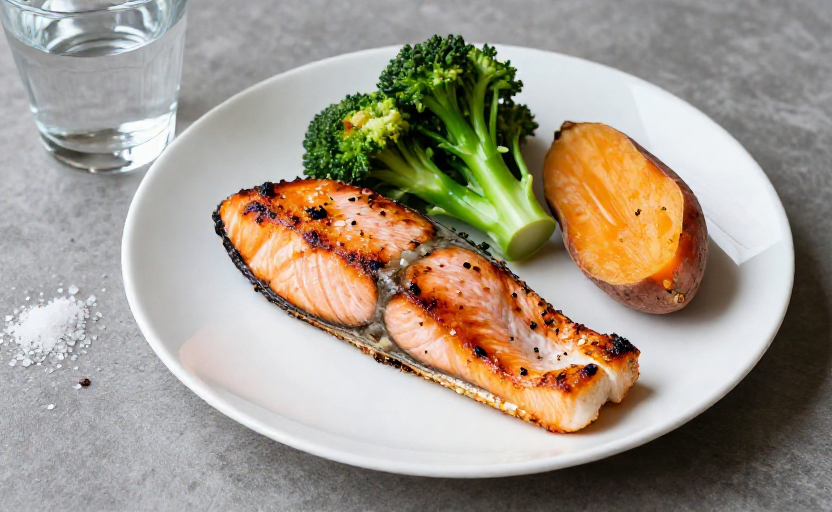
- Dinner: Grilled salmon with steamed broccoli and a small sweet potato (about the size of your fist)
This menu is moderate in calories, high in protein and fiber, and low in processed carbs. It is not meant to be restrictive—it simply shifts the macronutrient ratio in a way that supports recovery.
When to Return to Normal Eating
One day of mindful rebalancing is usually enough to restore your body's equilibrium. If you felt especially bloated or sluggish, you can extend the approach to two days, but there is no need to maintain it long-term. Restricting heavily for more than a day can trigger cravings and lead to another binge cycle. The goal is awareness and gentle correction, not perfection.
Remember, a single day of high carb intake does not undo your progress. Your body is remarkably adaptable. By choosing protein, vegetables, healthy fats, and moderate complex carbs in a thoughtful sequence, you give yourself a fresh start without shame or severity.