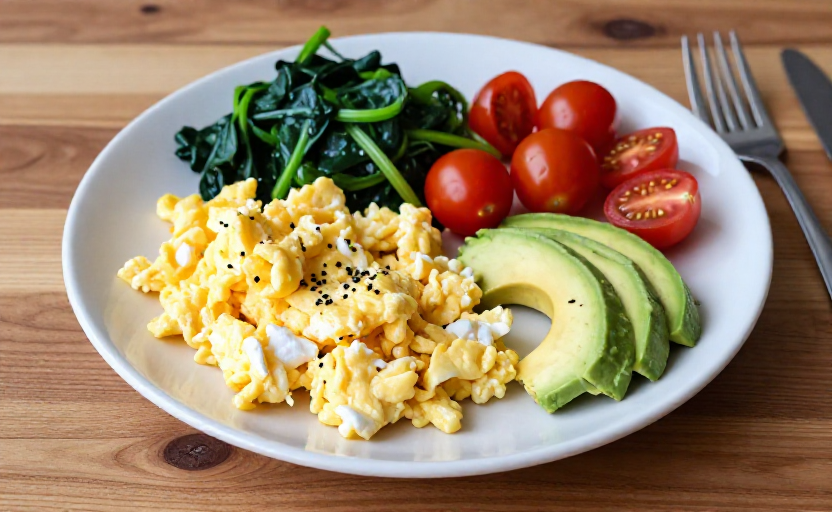
Time-restricted feeding shortens your daily eating window, which means your first meal matters more than ever. You are asking your body to run on a tighter schedule, so breakfast needs to deliver steady energy, support muscle maintenance, and prevent a mid-morning crash. The goal is not just to break a fast, but to do it with foods that work with your biology rather than against it.
When you eat within a limited window, usually 6 to 10 hours, your body shifts its fuel preference. During the fasting period, it taps into stored glycogen and fat. The first meal you eat after that period sets the metabolic tone for the rest of the day. A breakfast that spikes blood sugar quickly can undo some of the benefits of the fast, leaving you hungry and mentally foggy within a couple of hours. On the other hand, a meal built around protein, healthy fats, and fiber-rich carbohydrates can sustain your energy and help preserve lean muscle.
The Role of Protein in Your First Meal
Protein is the most satiating macronutrient. When you have been fasting, your muscles are primed to use amino acids for repair and maintenance. Starting the day with adequate protein also helps blunt the blood sugar response to any carbohydrates you eat alongside it. For time-restricted feeding, aim for somewhere in the range of 25 to 40 grams of protein at breakfast, depending on your body size and activity level.
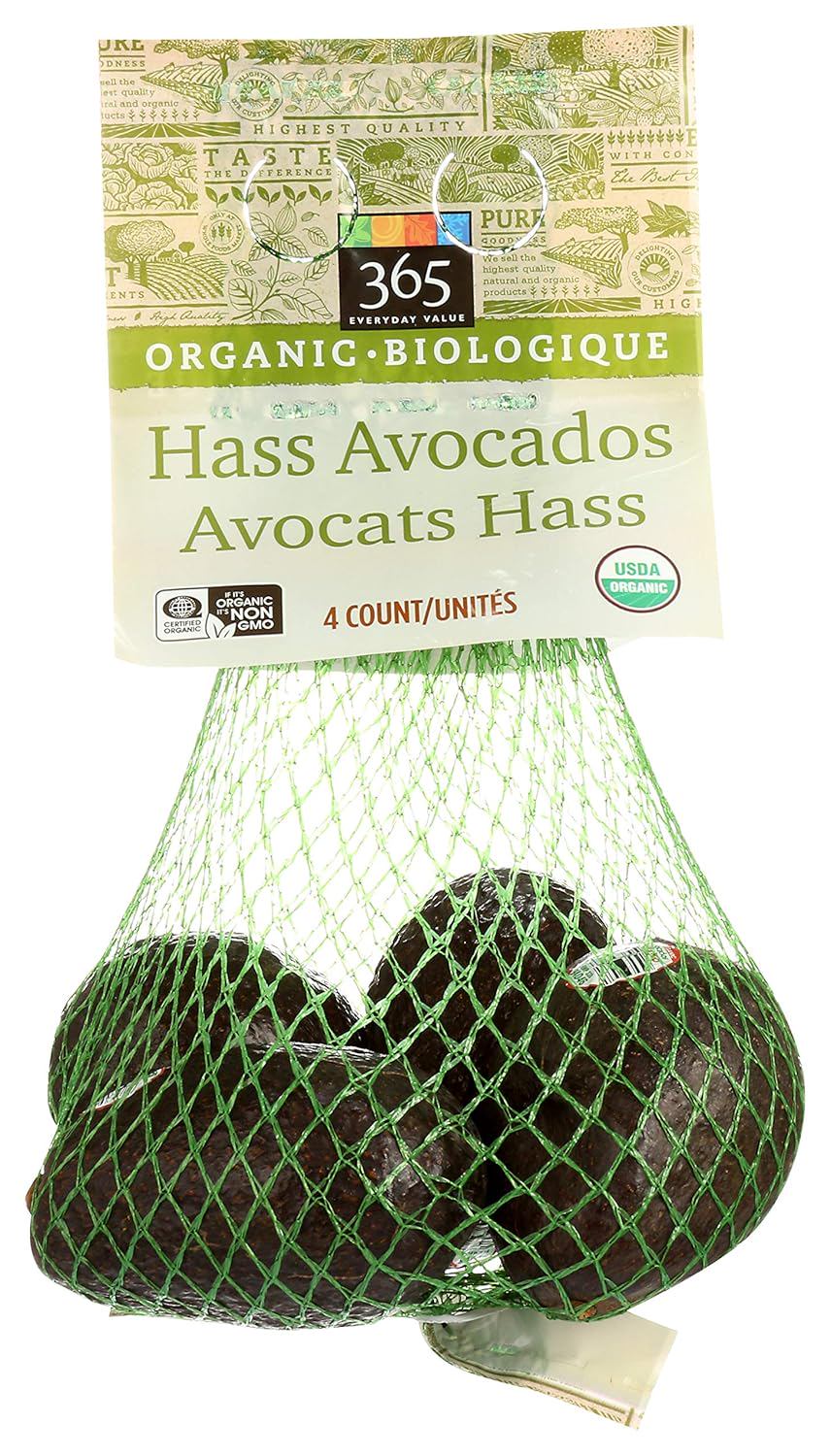
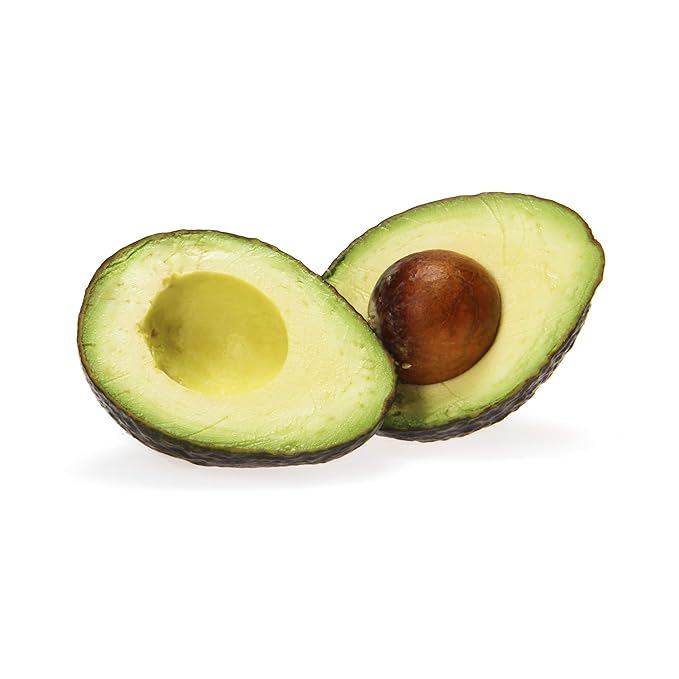
Eggs are a classic choice for good reason. They contain high-quality protein, along with choline for brain function and B vitamins for energy metabolism. Scramble two or three eggs with sautéed greens and a side of avocado for a balanced plate. If you prefer plant-based options, firm tofu scrambles well and can be seasoned to mimic eggs. Greek yogurt or cottage cheese offer quick, no-cook protein, but watch for added sugars in flavored versions. Plain dairy lets you control the sweetness and add fruit or nuts yourself.
Healthy Fats Keep You Satisfied Longer
Fat slows gastric emptying and promotes the release of satiety hormones. That translates to fewer cravings and a longer stretch of stable energy before your next meal. This is especially useful when your eating window is narrow and you may not have a chance to snack.
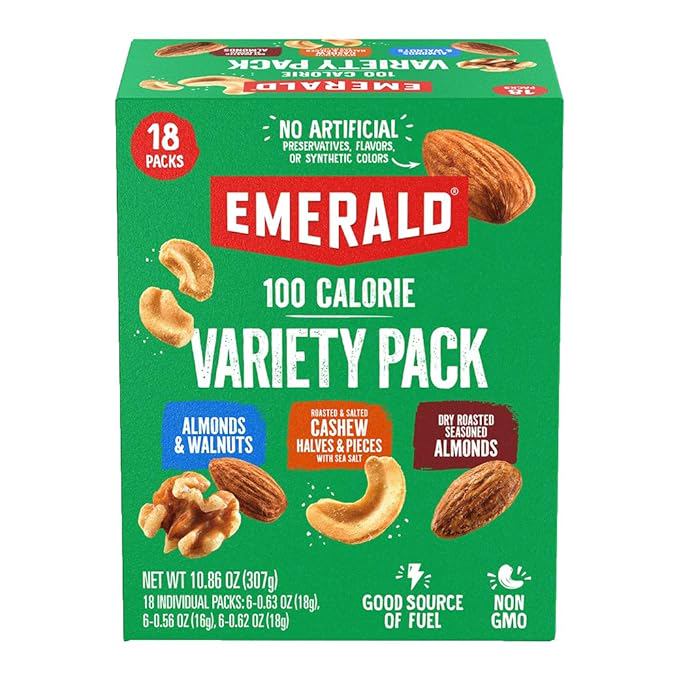
Avocado is an easy add-on. Mash it onto whole-grain toast or slice it onto an egg bowl. Nuts and seeds, like almonds, walnuts, chia seeds, or flaxseeds, can be sprinkled onto yogurt, oatmeal, or smoothies. They provide fiber along with fat, which further supports digestive health. For a hot breakfast option, consider cooking oatmeal or quinoa with a tablespoon of nut butter stirred in. The combination of fat, fiber, and protein helps keep your blood sugar curve flat.
Fiber-Rich Carbohydrates for Sustained Energy
Carbohydrates are not the enemy, even in time-restricted feeding. The key is choosing sources that release glucose slowly rather than flooding your system all at once. Vegetables, whole fruits, legumes, and intact whole grains all fit the bill. They supply the vitamins, minerals, and phytonutrients your body needs for cellular repair and immune function.
A breakfast bowl built on leftover roasted vegetables or a quick sauté of spinach, bell peppers, and onions works well. Add black beans or lentils for extra fiber and protein. If you prefer a sweeter morning meal, choose berries over tropical fruits. Berries are lower in sugar and packed with antioxidants. Steel-cut oats or rolled oats processed slowly by the body, especially when paired with protein powder or a dollop of Greek yogurt. Avoid pre-flavored instant oatmeal packets, which often contain added sugars and minimal fiber.
Hydration Matters After Fasting
While not a food, water deserves a mention because overnight fasting also means you wake up mildly dehydrated. Drinking a glass or two of water before or with breakfast helps with digestion, energy levels, and cognitive function. Herbal tea or black coffee in moderation can be part of your routine, but be mindful that caffeine on an empty stomach may cause digestive discomfort in some people. If you tolerate it well, there is no reason to avoid it. Just do not let coffee replace a nourishing meal.
Aim to drink about 16 ounces of water within the first hour of waking. It primes your digestive system and helps your body absorb the nutrients from your breakfast more efficiently.
Sample Breakfast Ideas for Different Preferences
These examples follow the principles of protein, fat, and fiber without rigid calorie counting. Adjust portions to match your hunger and activity level.
- Egg and avocado plate: Two scrambled eggs cooked in olive oil, half an avocado sliced, a handful of cherry tomatoes, and a side of sautéed spinach. Sprinkle with salt, pepper, and red pepper flakes.
- Greek yogurt bowl: One cup of plain full-fat Greek yogurt topped with a quarter cup of mixed berries, one tablespoon of chia seeds, and a tablespoon of chopped almonds. If you need a little sweetness, add a teaspoon of honey.
- Tofu scramble with vegetables: One block of crumbled firm tofu sautéed with turmeric, cumin, onions, and bell peppers. Serve with a side of black beans and a slice of whole-grain toast.
- Smoothie for on-the-go: Blend one scoop of unsweetened protein powder, one cup of unsweetened almond milk, a handful of spinach, half a cup of frozen berries, and one tablespoon of almond butter. This option is lower in fiber than whole-food meals, so pair it with a small handful of nuts if you need more staying power.
What About Intermittent Fasting and Coffee?
Many people who practice time-restricted feeding drink coffee or tea during the fasting window. Black coffee, unsweetened tea, and water are generally considered acceptable because they contain negligible calories and do not spike insulin. However, adding cream, sugar, or milk breaks the fast in the strict sense because it triggers a metabolic response. If your primary goal is fat adaptation or autophagy, keep your morning cup black. If your main aim is calorie restriction and you feel better with a splash of cream, the practical difference may be small. The decision depends on your individual goals and tolerance.
Time-restricted feeding asks your body to adapt to a different rhythm. Breakfast is the moment you signal to your metabolism that it is time to switch from fasting to feeding. Make that signal count by choosing foods that provide lasting fuel, support muscle health, and keep you satisfied until your next meal. With a little planning, your first meal can become the strongest part of your daily routine.