Intermittent fasting often gets the most attention for when you eat. But as any health editor will tell you, the real leverage for weight control lies in the what that fills your eating window. The food choices you make during those hours can either amplify the benefits of your fast or undo the calorie deficit entirely.
Let's move past the generic advice and look at the specific foods and eating patterns that research actually supports. We're focusing on practical, sustainable choices—not rigid meal plans.
Why the composition of your eating window matters
Your first meal after a fast breaks down differently depending on what's on the plate. When you've gone several hours without food, your body is primed to absorb nutrients efficiently. This is either a great opportunity or a trap, depending on what you reach for first.
A meal that's too high in refined carbohydrates will spike blood sugar, trigger an insulin surge, and promote fat storage. Conversely, a meal that balances protein, fiber, and healthy fats helps stabilize glucose and keeps you satiated for hours.
One small but useful trial in Cell Metabolism found that participants eating within an 8-hour window naturally consumed fewer calories—but only when they prioritized whole foods. Those who ate processed foods during the same window consumed just as many calories as they would in a standard meal pattern.
Editor's note: The composition of your meal matters more than the exact timing. Prioritize nutrient density over calorie counting alone.
Prioritize protein at the start
Leaning into protein at your first meal—and across the eating window—appears to be one of the most effective strategies for weight control. Protein increases satiety more than fat or carbohydrates, and it has a higher thermic effect of food, meaning your body burns more calories digesting it.
Good options include eggs, Greek yogurt, cottage cheese, fish, chicken breast, or lentils for plant-based eaters. A target of around 25-30 grams of protein per meal is a reasonable guideline for most adults, though individual needs vary.
A study in Obesity showed that participants who increased their protein intake to 25% of total calories during an intermittent fasting schedule retained more lean muscle mass than those who ate a standard protein diet. Since muscle tissue burns more calories at rest than fat tissue, this has a compounding effect on weight control over time.
Fill your eating window with fiber-rich vegetables
Fiber is the underrated workhorse of weight control during intermittent fasting. It slows digestion, blunts blood sugar spikes, and adds bulk to meals without many calories.
Non-starchy vegetables like leafy greens, broccoli, bell peppers, zucchini, and cauliflower should take up a large part of your plate. Aim for a variety of colors to maximize the diversity of phytonutrients.
The fiber from vegetables also feeds your gut microbiome. Emerging research suggests that the composition of gut bacteria can influence how efficiently you extract calories from food and how your body stores fat. A fiber-rich diet supports a healthier microbiome profile that is associated with leaner body composition.
Healthy fats for satiety and hormone support
Fats are not the enemy, but the type of fat matters. Prioritize unsaturated fats from sources like avocado, olive oil, nuts, seeds, and fatty fish. These provide essential fatty acids and help the absorption of fat-soluble vitamins.
Including a moderate amount of healthy fat in each meal helps maintain steady energy levels throughout your eating window. This is particularly important when you have a compressed feeding schedule, as it prevents the energy crash that can lead to overeating later.
Be mindful of portions. Fats are calorie-dense—one tablespoon of olive oil contains around 120 calories. Use them to add flavor and satisfaction rather than being the main component of a meal.
Choose carbohydrates strategically
Carbohydrates are not inherently problematic, but which carbs you eat during your window makes a real difference. Prioritize complex carbohydrates with a low to moderate glycemic index.
- Whole grains: quinoa, oats, brown rice, barley, farro
- Legumes: lentils, chickpeas, black beans
- Starchy vegetables: sweet potatoes, winter squash, peas
- Whole fruit: berries, apples, citrus, pears (with skin)
These foods release glucose gradually, preventing the blood sugar roller coaster that often accompanies a fast. They also provide fiber, vitamins, and minerals that refined carbs lack.
There is no need to eliminate all refined carbohydrates. The issue is context and quantity. If you're having a small treat at the end of your eating window, that's different from building the entire window around white bread, sugary drinks, and ultra-processed snacks.
Hydration in the eating window matters
Water intake often gets overlooked in discussions of food choices, but it plays a direct role in weight control. During your eating window, prioritize water, unsweetened herbal tea, and sparkling water over caloric beverages.
Even beverages marketed as healthy—like fruit juices, smoothies from juice bars, and specialty coffee drinks—can deliver a surprising number of liquid calories without providing satiety. A 12-ounce orange juice has about 160 calories and very little fiber, whereas a whole orange has roughly 60 calories and three grams of fiber.
One practical tip: drink a full glass of water 15-20 minutes before your first meal. This simple habit can help moderate portion sizes and improve digestion.
The order of eating can shift outcomes
There is emerging evidence that the sequence in which you eat different foods affects blood sugar and satiety. Eating protein and vegetables first, followed by carbohydrates, appears to reduce the post-meal glucose spike more than eating the same foods in a different order.
This doesn't require overhauling your entire meal structure. Simply try starting your main meal with a side of protein and non-starchy vegetables before moving on to the starchy components. Small adjustments like this can have a meaningful cumulative effect on weight control, especially when combined with the earlier strategies.
Practical meal structure suggestions
For those following a 16:8 schedule (fasting for 16 hours, eating within an 8-hour window), here is a sample structure that aligns with the principles above:
- Break-fast meal (around noon): Scrambled eggs with spinach and tomatoes, half an avocado, a side of berries.
- Mid-window snack (optional): Greek yogurt with a handful of nuts or sliced apple.
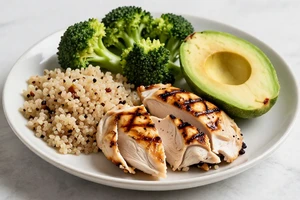
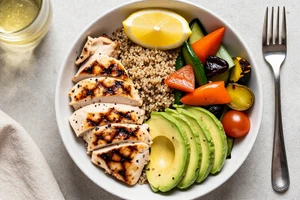
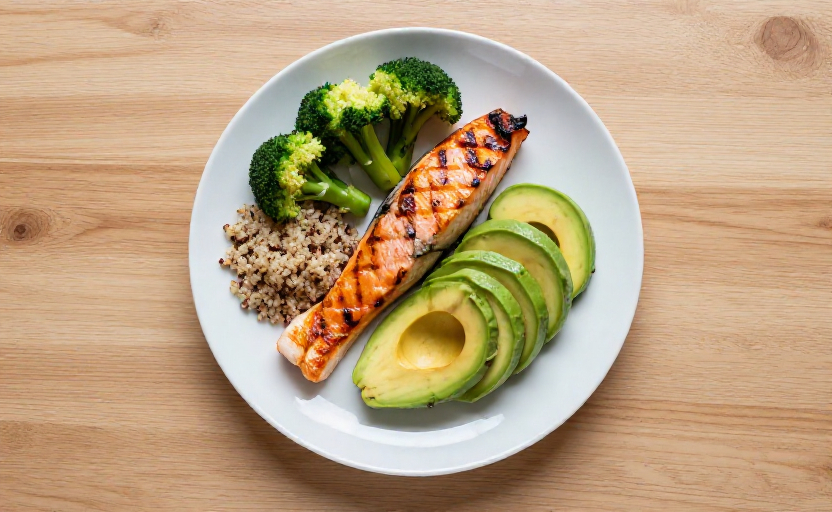
- Main dinner (early evening): Grilled salmon or lentil bowl with roasted broccoli and quinoa, drizzled with olive oil and lemon.
This structure provides protein at both meals, vegetables at two points, healthy fats from avocados, olive oil, and nuts, and complex carbohydrates from the quinoa and berries. It is not prescriptive—adjust portions and foods based on your preferences, tolerances, and nutritional needs.
For those with a shorter eating window, such as 20:4, the principles remain the same but the portions per meal will be larger. It is even more critical to optimize nutrient density in that scenario, as you have less time to meet your nutritional requirements.
Final thoughts from the editorial desk
The evidence consistently points to the same conclusion: what you put on your plate during the eating window determines whether intermittent fasting helps or hinders your weight control goals. Prioritize protein, fiber, and healthy fats, choose your carbohydrates wisely, and stay hydrated with non-caloric beverages.
These strategies are not flashy, but they are effective. There is no single miracle food that will solve weight control. The cumulative effect of consistent, sensible choices made within the eating window is what produces results over weeks and months.