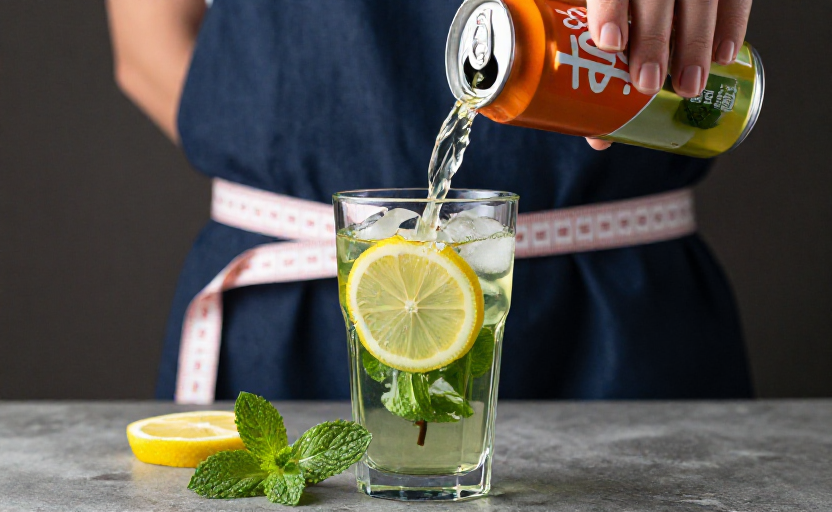
The link between sugary soda and stubborn belly fat is well established. Liquid calories from soft drinks spike blood sugar, promote fat storage around the midsection, and leave you craving more. But cutting soda doesn't mean resigning yourself to plain water alone. Research points to several delicious, science-backed swaps that can support fat loss—especially visceral belly fat—while keeping your taste buds satisfied.
Below, we break down the best evidence-based beverages to replace soda, how they work inside your body, and practical tips to make the switch stick.
Why soda is especially problematic for belly fat
Soda delivers a double hit: high fructose corn syrup or sugar, plus zero nutritional value. When you drink a can of soda, the liver processes the fructose rapidly. Excess fructose that isn't used for energy gets converted into triglycerides and stored as fat—particularly visceral fat deep in the abdomen. Unlike subcutaneous fat (the pinchable kind under your skin), visceral fat wraps around internal organs and is linked to inflammation, insulin resistance, and metabolic disease.
One 12-ounce can of cola contains about 39 grams of sugar. Drinking just one soda per day can add over 14 pounds of sugar to your diet in a year, assuming no other changes. Replacing that single can with a low-calorie, metabolism-friendly drink is one of the simplest dietary shifts for reducing belly fat over time.
Green tea: catechins and caffeine for fat oxidation
Green tea is arguably the most studied beverage for weight loss. It contains catechins—especially epigallocatechin gallate (EGCG)—that work synergistically with small amounts of caffeine to boost thermogenesis and fat oxidation. A 2020 meta-analysis published in the Cochrane Database of Systematic Reviews found that green tea catechins plus caffeine led to modest reductions in body weight and waist circumference compared to control groups.
For belly fat specifically, a 2015 study in the Journal of Functional Foods showed that participants who drank green tea with high levels of catechins for 12 weeks had significantly greater reductions in visceral fat area than those who drank a control beverage. Aim for unsweetened brewed green tea—bottled versions often add sugar, which defeats the purpose.
Black coffee: a metabolism booster with appetite control
If you tolerate caffeine well, black coffee is a powerful ally. Coffee increases resting metabolic rate by 3–11 percent, according to research, and its chlorogenic acids may slow carbohydrate absorption and improve fat utilization. A 2019 study in Nutrients linked regular coffee consumption with lower body fat percentage in women.
More importantly, coffee can curb appetite for some people, making it easier to stick to a calorie deficit. The key is keeping it black or with a splash of unsweetened almond milk. Adding cream and sugar turns coffee into another soda-like sugar delivery system.
Sparkling water with lemon or cucumber: the soda replacement that works
Many people miss the carbonation and fizz of soda more than the sweetness. Sparkling water with natural flavorings—lemon slices, cucumber, mint, or a few crushed berries—satisfies that oral fixation without any sugar. A 2013 study in Obesity found that simply increasing water intake was associated with reduced total calorie intake and lower sugar consumption over time.
Smart swap: Try sparkling water with a squeeze of lime and a pinch of sea salt for a natural electrolyte drink that mimics the mouthfeel of soda without the metabolic downside.
Herbal teas: hibiscus, peppermint, and rooibos
Herbal teas offer variety and subtle sweetness without sugar. Hibiscus tea, for example, has been shown in small studies to help lower blood pressure and lipid levels—both relevant for metabolic health. While herbal teas alone won't burn belly fat directly, they displace sugary drinks and keep you hydrated, which supports overall fat loss. Peppermint tea can also aid digestion and reduce bloating, making the stomach area appear flatter.
Apple cider vinegar drinks: evidence is mixed but promising
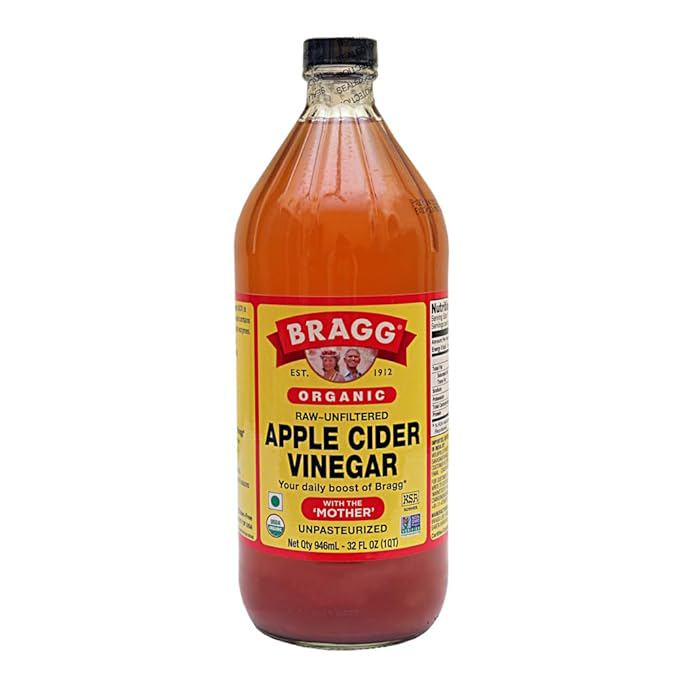
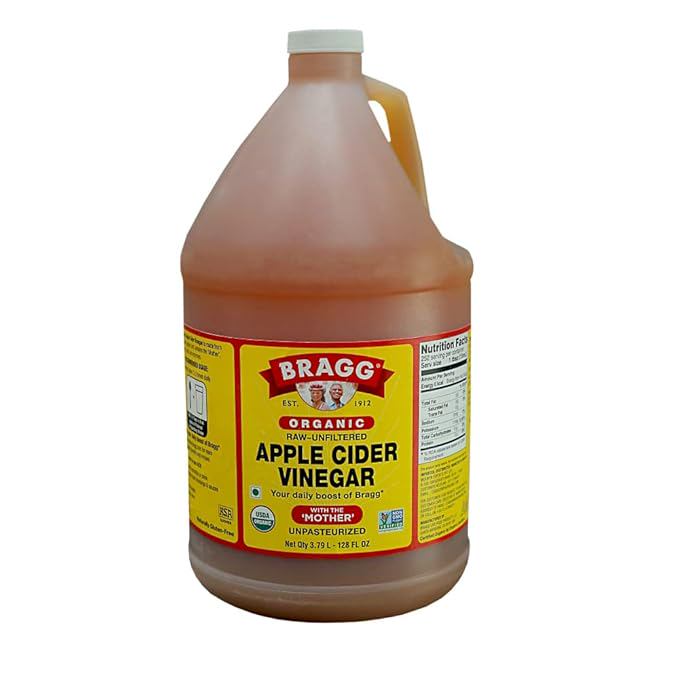
Diluted apple cider vinegar (1–2 tablespoons in a large glass of water) has gained popularity as a weight-loss aid. The acetic acid in vinegar may improve insulin sensitivity and reduce post-meal blood sugar spikes, according to several small studies. A 2024 randomized controlled trial in Diabetes Care found that participants who consumed vinegar daily with a high-carb meal had lower insulin and glucose responses. However, vinegar isn't a magic bullet—it works best as a complement to a balanced diet, and it must be diluted to protect tooth enamel and the esophagus.
Kombucha: fermented fizz with potential microbiome benefits
Kombucha is a fermented tea that contains probiotics, organic acids, and antioxidants. While direct evidence linking kombucha to belly fat loss is limited, the gut microbiome plays a significant role in how the body stores and burns fat. A 2021 review in Nutrients noted that fermented foods like kombucha may promote a healthier gut environment, which is associated with reduced obesity risk. Watch out for sugar content in commercial kombucha—look for brands with under 5 grams per serving, or brew your own.
Practical tips for making the switch
- Cold turkey or gradual? If you drink several sodas daily, start by replacing one with a green tea or sparkling water each day rather than going to zero overnight. Gradual reduction reduces withdrawal headaches and cravings.
- Flavor without sugar. Experiment with cinnamon sticks, ginger slices, or vanilla extract in hot beverages. A dash of stevia or monk fruit sweetener can help transition away from sugar without artificial aftertaste for some people.
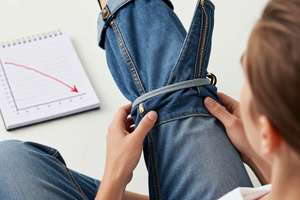
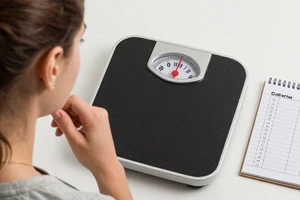
- Track your progress. Waist circumference and how your clothes fit are better measures than daily scale weight. Take a baseline measurement and check monthly.
- Hydrate first. Sometimes thirst masquerades as a soda craving. Drink a glass of plain water first, wait 10 minutes, and then decide if you still want something flavored.
The bottom line on beverages and belly fat
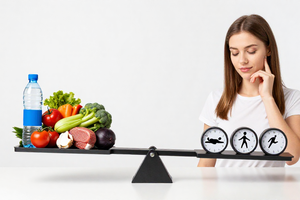
No single drink will melt belly fat on its own. Replacing soda with unsweetened green tea, black coffee, sparkling water, or herbal teas creates a calorie deficit and reduces fructose exposure—both proven strategies for visceral fat loss over weeks to months. These swaps also support better insulin sensitivity, hydration, and appetite regulation. Pair them with a diet rich in vegetables, lean protein, and whole grains, plus regular physical activity, for lasting results.
As always, talk with a healthcare provider before making significant dietary changes, especially if you have conditions like diabetes, acid reflux, or kidney issues.