
You already know the morning routine: sunscreen, a hat, maybe seeking shade when the UV index spikes. But what if your first cup of something could lend your skin a hand from the inside out? A growing body of research suggests that certain beverages, consumed in the morning, can subtly bolster your skin’s natural defenses against UV damage. This isn't about replacing your SPF 50—think of it as adding a layer of internal armor.
The science hinges on antioxidants, polyphenols, and specific plant compounds that accumulate in your skin tissue. When UV rays hit, these compounds help neutralize free radicals and calm inflammatory pathways before they can cause as much DNA damage. Here are the best drinks to consider incorporating into your morning ritual, based on current evidence.
Green Tea: The Polyphenol Powerhouse
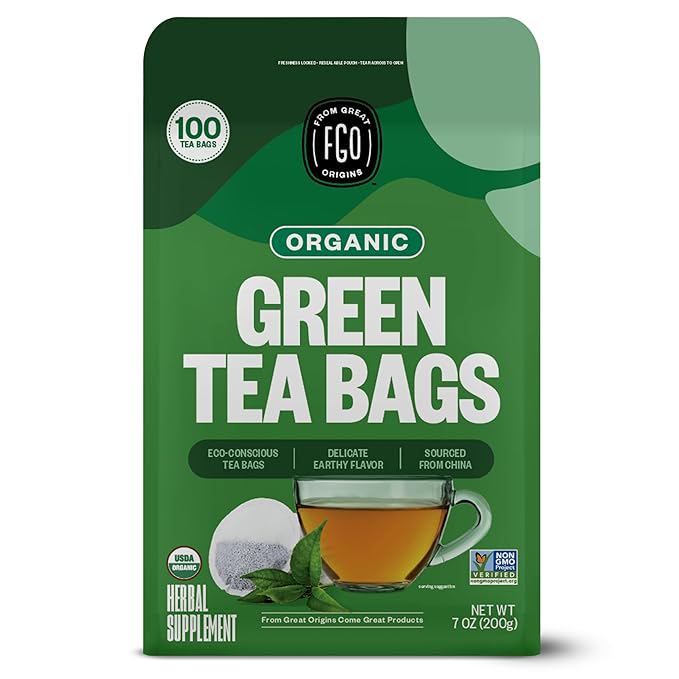
Green tea is arguably the most studied beverage for photoprotection. Its secret weapon is a group of antioxidants called catechins, with epigallocatechin-3-gallate (EGCG) as the star player. When you drink green tea regularly, these catechins become incorporated into your skin cells.
Several human trials have shown that consuming 4–5 cups of green tea daily—or taking a standardized green tea extract—leads to measurable improvements in the skin's ability to withstand UV radiation. Participants typically show less redness (erythema) and fewer sunburn cells after exposure, along with reduced DNA damage. While morning consumption is convenient, the protective effect builds over days of consistent intake. A small bowl of matcha, which is ground whole green tea leaves, delivers an even more concentrated dose of these protective catechins.
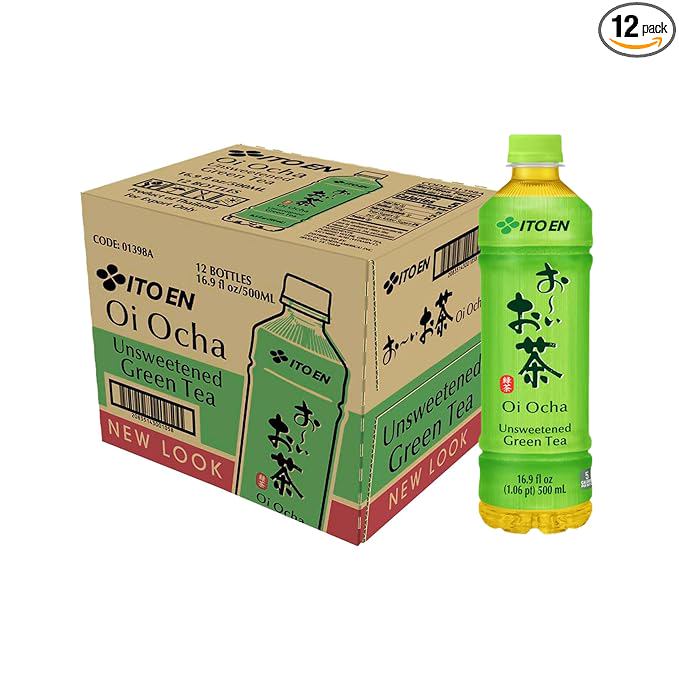
Tip: For maximum benefit, brew fresh green tea and drink it shortly after steeping. Bottled, pre-made teas often have far fewer active polyphenols after sitting on a shelf.
Coffee: More Than a Morning Jolt
Your daily coffee habit might also be helping your skin. Coffee is loaded with chlorogenic acid and other polyphenols that are potent antioxidants. Observational studies have found that people who drink two or more cups of coffee per day tend to have lower rates of non-melanoma skin cancers over time.
What’s interesting is the synergy with caffeine itself. Caffeine, when absorbed through your system, appears to promote the elimination of UV-damaged skin cells through a process called apoptosis. In animal studies and some early human data, topical caffeine has shown promise in reducing skin cancer risk. Drinking coffee in the morning essentially delivers both the antioxidant punch of the polyphenols and the cell-clearance boost of caffeine to your skin. If you’re sensitive to caffeine, a single morning cup is likely sufficient; the effect does not require high doses.
Cocoa: Flavanol-Rich for Photoprotection
Not all chocolate drinks are created equal, but a cup of high-flavanol cocoa is a surprisingly strong candidate for sun defense. Cocoa beans are rich in flavanols, particularly epicatechin, which improve blood flow to the skin and increase skin density and hydration. More robust, better-hydrated skin simply handles UV stress more effectively.
Human trials using high-flavanol cocoa (around 300–600 mg of flavanols per serving) have demonstrated that daily consumption over 6–12 weeks can reduce the minimum dose of UV light needed to cause redness—meaning participants could tolerate more sun exposure before burning. The effect is modest but statistically significant. To get this benefit, opt for a cocoa powder or a dark chocolate bar that lists a high flavanol content (often labeled as such) rather than a sugary, alkalized (Dutched) cocoa mix, which loses most of these fragile compounds.
Carrot Juice and Other Beta-Carotene Sources
Carotenoids like beta-carotene and lycopene are natural pigments that accumulate in the skin and act as a built-in sun filter. They provide broad-spectrum absorption of UV light, and they quench the reactive oxygen species generated by sun exposure. A morning glass of carrot juice, or a smoothie rich in tomatoes, watermelon, or pink grapefruit, is an excellent way to deliver these carotenoids.
Research shows that eating a diet rich in beta-carotene for at least 10 weeks provides a meaningful, though modest, natural SPF boost—estimated at roughly SPF 2 to SPF 4. That may not sound like much, but when added on top of your regular sunscreen, it represents a genuine reduction in cumulative UV damage over a lifetime. For lycopene, cooked tomatoes (like tomato juice) are actually more bioavailable than raw ones, so a warm glass of low-sodium tomato juice can be a smart morning choice.
Important Reality Checks
Before you overhaul your morning beverage lineup, keep a few things in mind. First, none of these drinks offer enough protection to let you skip sunblock. They are best understood as nutritional support for your skin’s resilience. You still need broad-spectrum sunscreen, protective clothing, and shade during peak UV hours.
Second, consistency matters. A single cup of green tea before a beach day will not prevent sunburn. The protective compounds need to build up in your skin over weeks of regular intake. Think of it like taking a daily multivitamin for your skin.
Finally, watch what you add. Loading your coffee or tea with sugar and cream, or drinking a cocoa that is mostly sugar, can trigger inflammation that counteracts the anti-inflammatory benefits of the polyphenols. Stick to unsweetened versions, or use a small amount of milk or a natural sweetener like stevia.
The bottom line? If you’re already reaching for a morning beverage, consider making it green tea, black coffee, or high-flavanol cocoa. Pair that with a diet rich in colorful fruits and vegetables, and you’ve given your skin a real head start against the sun.