Sitting at a desk for hours on end takes a toll that goes far beyond a stiff neck. Your postural muscles—the deep stabilizers along your spine, shoulders, and hips—endure constant low-grade tension. Meanwhile, circulation slows, and soft tissues begin to dehydrate, making recovery harder once you finally stand up.
What you drink during those long stretches can either compound the problem or give your body a genuine edge. Hydration choices influence how well your muscles relax, how quickly metabolic waste clears, and whether your joints stay lubricated. Here is what works best for the desk-bound body.
Why plain water is your first move for seated posture
Dehydration is often mistaken for fatigue, brain fog, or general soreness. When you are even mildly dehydrated, your blood volume drops slightly. Your heart works harder, and your muscles receive less oxygen. For someone sitting in a fixed posture, this means the trapezius and erector spinae muscles tighten up more readily, and the discs between your vertebrae lose a bit of their cushioning height.
The simple fix is to keep a water bottle on your desk and sip consistently. You do not need to chug a liter at once. Spreading intake across the day keeps tissues plump and elastic. Many people notice that their habitual afternoon shoulder ache lessens when they simply drink more water before lunch.
A good rule of thumb: if your urine is pale straw-colored by midday, you are likely well-hydrated. Darker urine suggests you need to catch up.
Electrolyte-rich drinks for sustained muscle function
Plain water hydrates, but your muscles also depend on electrolytes—sodium, potassium, magnesium, and calcium—for proper contraction and relaxation. When you spend hours in a chair, you lose these minerals through sweat and normal metabolic processes, especially if you drink caffeinated beverages, which act as mild diuretics.
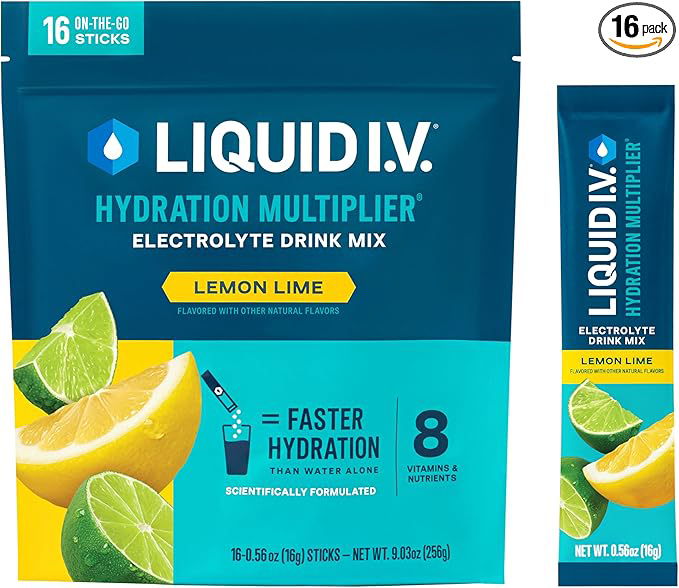
Instead of reaching for a sugary sports drink, consider a no-sugar electrolyte mix or a splash of coconut water in your bottle. Magnesium, in particular, plays a role in muscle relaxation and can help reduce the tendency for your lower back and shoulders to stay clenched. Potassium supports nerve signaling that tells tight muscles to release.
One caveat: if you have high blood pressure or kidney concerns, check with your doctor before adding electrolyte supplements. For most people, a pinch of high-quality sea salt and a squeeze of lemon in water provides enough sodium and potassium to support recovery without overdoing it.
Green tea and its role in reducing inflammation
Long hours of static sitting create low-grade inflammation in postural muscles and connective tissues. This is partly why your shoulders feel achy even if you did not lift anything heavy. Green tea contains catechins, particularly epigallocatechin gallate (EGCG), which have been shown to reduce markers of inflammation in human studies.
Drinking green tea during the workday offers a mild caffeine lift without the jitters of coffee, and it introduces antioxidants that support tissue repair. Aim for unsweetened green tea, either hot or iced. A single cup mid-morning and another mid-afternoon can be enough to notice a difference in how your muscles feel by the end of the day.
If you are sensitive to caffeine, look for decaffeinated green tea—it still retains most of the beneficial catechins. Steeping for three to four minutes at around 175°F (about 80°C) extracts the best balance of flavor and compounds.
Tart cherry juice and melatonin for overnight recovery
Posture recovery does not end when you leave the desk. It continues while you sleep, when your body repairs micro-damage in muscles and resets tension patterns. Tart cherry juice is one of the few natural beverages with a meaningful concentration of melatonin, the hormone that regulates sleep cycles. It also contains anthocyanins, which have anti-inflammatory and antioxidant properties.
Drinking a small glass (about four to six ounces) of unsweetened tart cherry juice in the evening may help you fall asleep faster and experience deeper sleep. Deeper sleep means more time for your paraspinal muscles and hip flexors to recover from the day's desk posture. Be mindful of the sugar content—choose varieties without added sugars, and factor the calories into your overall intake.
What to limit or avoid during desk hours
Not every beverage supports recovery. A few common office drinks can undermine posture and muscle health:
- Excessive coffee. More than two cups of coffee can lead to dehydration and increased muscle tension in some people. The caffeine amplifies the stress response, which may keep your shoulders elevated and jaw tight.
- Sugary sodas and energy drinks. High sugar intake promotes systemic inflammation and can worsen joint stiffness. The artificial additives in some energy drinks may also interfere with electrolyte balance.
- Alcohol during the workday. Alcohol disrupts muscle protein synthesis and impairs the quality of sleep you get that night—even a single drink at lunch can affect recovery.
Swapping even one of these for water, green tea, or an electrolyte drink can shift how your body handles a long day of sitting.
Putting it into a realistic daily rhythm
Building a drinking routine for better posture does not require a complete overhaul. A sample flow might look like this:
- Start the morning with a full glass of water before or with breakfast.
- Keep a water bottle on your desk and aim to refill it by lunch.
- Have one cup of green tea mid-morning or early afternoon as a moving break.
- If you feel muscle fatigue by mid-afternoon, add an electrolyte drink or a small glass of coconut water.
- Finish the workday with a transition—stand up, stretch, and drink a final glass of water.
- In the evening, an optional small glass of tart cherry juice can support overnight recovery.
The most important factor is consistency. No single beverage will fix poor posture overnight, but the cumulative effect of better hydration and targeted nutrients makes it noticeably easier for your muscles to relax, recover, and keep you comfortable through the next long session at your desk.