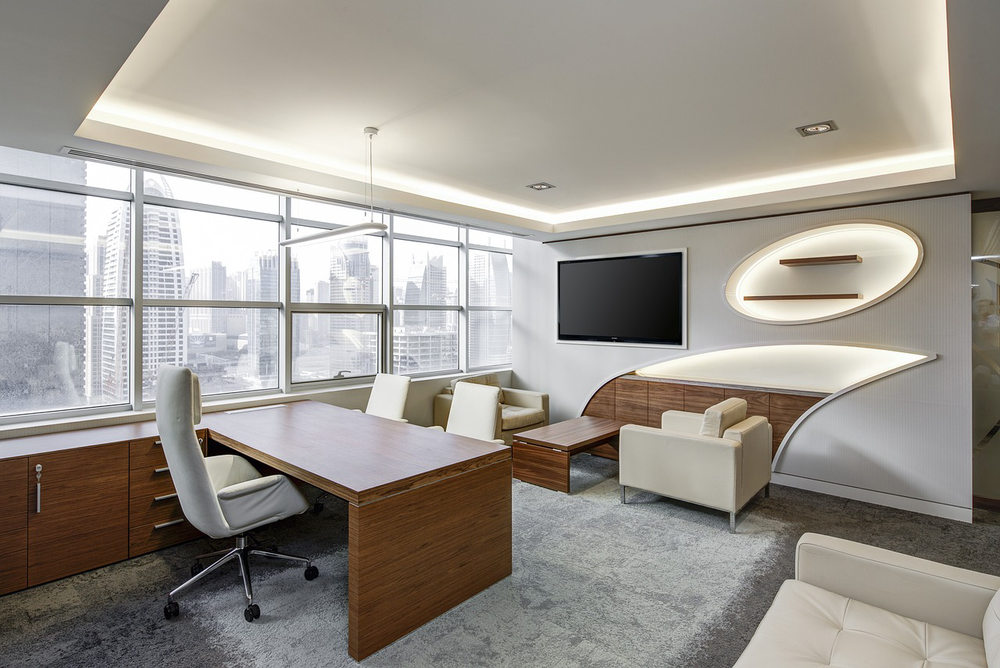
For many of us, the workday is a long, seated affair. We settle into our chairs in the morning, and aside from a quick trip for coffee or to the restroom, we might not rise again until lunch. That static posture, held for hours on end, is quietly working against us. Ergonomics research has consistently moved away from the idea of a single "perfect" posture and toward the concept of dynamic movement. The real question isn't just about sitting up straight, but about how often you should disrupt that sitting to stand and stretch.
The short answer, supported by a growing body of occupational health studies, is that you should aim to break up prolonged sitting every 30 to 60 minutes. But the specifics of how you stand and what you stretch matter just as much as the frequency. Let's look at the evidence and build a realistic, effective routine for your desk-bound day.
Why the 30-to-60-Minute Window Exists
Your body is not designed for stillness. When you sit for extended periods, several things happen at a physiological level. Blood flow slows, particularly to the legs. Your hip flexors shorten and tighten. The muscles of your lower back and glutes become inhibited and weak from lack of engagement. The discs in your spine experience uneven, sustained pressure.
Ergonomics researchers have tried to pinpoint the threshold where risk outweighs benefit. A landmark study by the Baker Heart and Diabetes Institute found that breaking up sitting time with short, frequent standing or walking breaks significantly improved post-meal blood sugar and insulin levels compared to uninterrupted sitting. More practically, office ergonomics guidelines from organizations like the Occupational Safety and Health Administration (OSHA) and the Cornell University Ergonomics Web suggest that remaining in any fixed position—sitting or standing—for longer than one hour is where musculoskeletal discomfort begins to spike.
The sweet spot, emerging from this research, is a movement break every 30 minutes for high-risk individuals (those with existing back pain) and every 60 minutes for general prevention. This isn't a strict rule, but a reliable anchor for building a habit.
The Stand-and-Stretch Protocol: What to Actually Do
It's not about doing a full yoga flow in your cubicle. The most effective workday stretches are those that reverse the "chair posture"—a position of rounded shoulders, forward head, and flexed hips. Your goal in a workday stretch is to open the front of your body and activate the posterior chain.
Aim for a standing break that lasts 1 to 3 minutes. Here is a simple sequence that addresses the most common tight spots:
- Stand up fully. Don't stay in a half-crouch. Walk two steps away from your desk. This act alone changes the load on your spine.
- Hip flexor stretch. Step one foot back into a shallow lunge, keeping your front knee over your ankle. Gently press your hips forward until you feel a stretch in the front of the back hip. Hold for 20-30 seconds per side. This directly counteracts the shortening that happens as you sit.
- Chest opener. Clasp your hands behind your back, straighten your arms, and gently lift them away from your body. Open your chest and roll your shoulders down. This fights the forward slump that strains your upper back.
- Neck release. Slowly tilt your head to one side, bringing your ear toward your shoulder. You can use your hand for a gentle assist (no pulling). Hold for 15 seconds per side. This relieves tension in the upper trapezius muscles.
- Standing forward fold. Hinge at your hips and let your upper body hang loose toward the floor. Bend your knees slightly. Let your head and neck relax. This decompresses the lower spine. Hang for 20 seconds.
Quick tip: If you are in a shared office, these stretches are subtle enough to be professional. No one will notice a slow neck tilt or a hip shift, but your lower back will thank you.
The Case for "Micro-Movements" Between Breaks
While the 30-minute standing stretch breaks are your main event, you shouldn't be completely still in between. Ergonomics research introduces the concept of micro-movements—tiny shifts in posture that you can do without standing up.
These are small adjustments, not stretches. They include:
- Shifting your weight from one sit bone to the other
- Rolling your shoulders back and down for five seconds
- Gently tucking and untucking your chin (think of making a double chin)
- Wiggling your fingers and extending your wrists for a few seconds
Micro-movements keep synovial fluid moving through your joints and prevent one muscle group from fatiguing completely. Think of them as the "maintenance" work that keeps you comfortable between the "deep cleans" of your stand-and-stretch breaks.
Should You Use a Standing Desk?
The standing desk is often seen as the ultimate ergonomic solution, but research tells a more nuanced story. Standing all day is not the answer; it carries its own risks, including lower back strain, varicose veins, and joint stiffness. The research consensus is clear: the ideal posture is alternating posture.
If you have a sit-stand desk, use it to support your movement cycle, not to replace it. A common protocol from ergonomics consultant Alan Hedge at Cornell University suggests a ratio of 20 minutes sitting, 8 minutes standing, and 2 minutes moving every half hour. This aligns well with our every-30-minutes stretch rule.
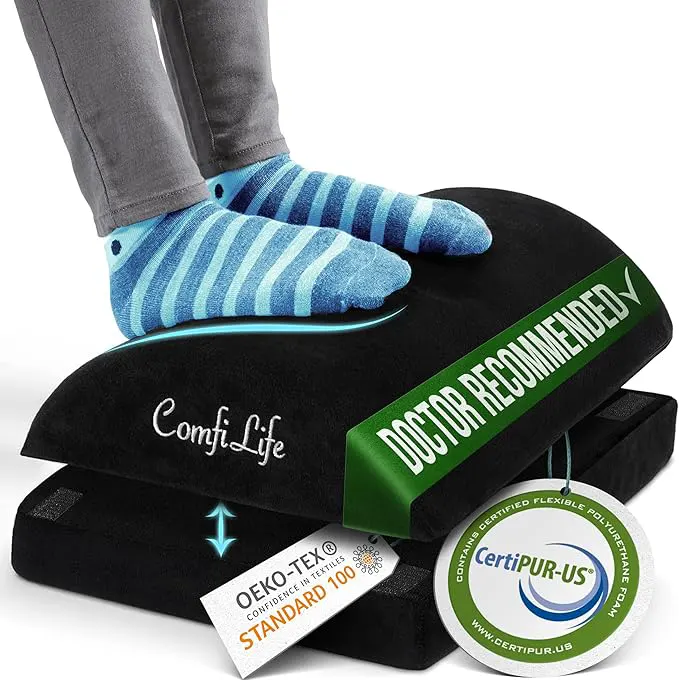
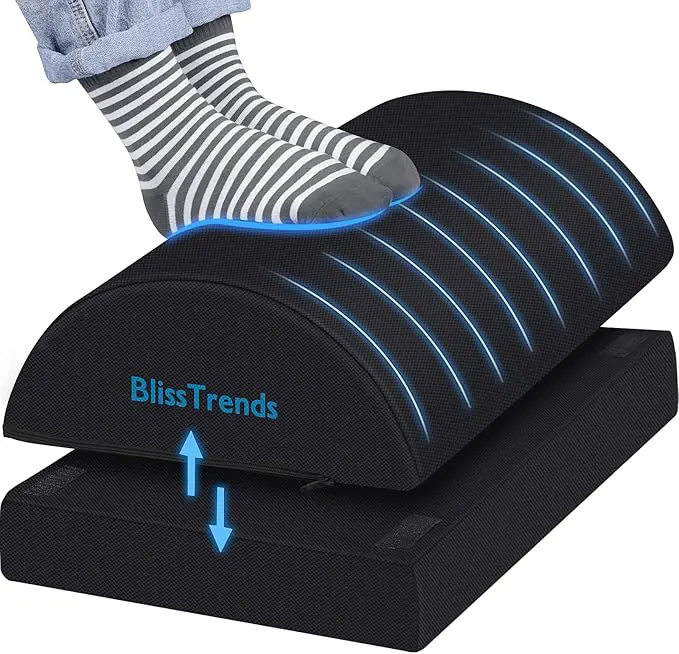
When standing, do not lock your knees. Place one foot on a small footrest (or a stack of paper) to slightly offset your hips. Continue to perform your standing hip and chest stretches even when you have the desk at standing height.
How to Remember to Move
Knowing you should move and actually doing it are two different things. Cognitive absorption in work is powerful; it's easy to look at the clock and realize two hours have passed. To bridge this gap, rely on external cues.
- Use a timer. Set a repeating 30-minute timer on your phone, smartwatch, or desktop. Name it "Stand and Stretch." Do not use the snooze button.
- Leverage a water bottle. Drink a moderate glass of water every 30 minutes. You will naturally need to stand and walk to the restroom more often, forcing a movement break.
- Pair movement with tasks. When you finish a phone call, stand. When you send an email, stand. Create a simple habit loop: complete task, then stand and stretch for 60 seconds.
Your body sends signals—tension, stiffness, a dull ache. These are gentle warnings that you are overdue for a change. If you start to feel discomfort, you have likely already passed your ideal movement window.
The Bottom Line
The research is consistent: you should stand and stretch every 30 to 60 minutes during a workday. The exact timing depends on your current physical condition and comfort level, but the direction is clear—less sitting, more moving. The evidence does not support sitting still for hours, nor does it support standing rigidly for hours. It supports a rhythm of dynamic, alternating positions. Your work day will naturally have interruptions; treat them not as distractions, but as triggers for the movement your body is asking for. Consistent, brief movement breaks are one of the simplest and most effective tools for long-term workplace wellness.