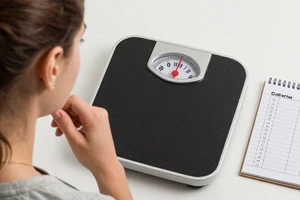
The hours between dinner and bedtime often invite a familiar question: What can you sip without derailing your health goals? While daytime hydration gets plenty of attention, the evening beverage you choose can quietly influence your body composition—for better or worse. Dietitians point out that the right drink can support metabolism, improve sleep quality, and reduce late-night cravings, all of which play a part in maintaining a healthy body.
Below, experts share the top evening drinks that align with body composition goals, plus a few you might want to avoid before turning in.
Why your evening drink matters
Your body doesn’t shut down when you sleep. It repairs tissues, balances hormones, and regulates metabolism through the night. What you drink in the evening can either support or interfere with these processes. Beverages high in sugar or caffeine can spike insulin, disrupt sleep, and promote fat storage. On the other hand, certain drinks can promote relaxation, steady blood sugar, and even encourage your body to burn fat for fuel while you rest.
Top evening drinks recommended by dietitians
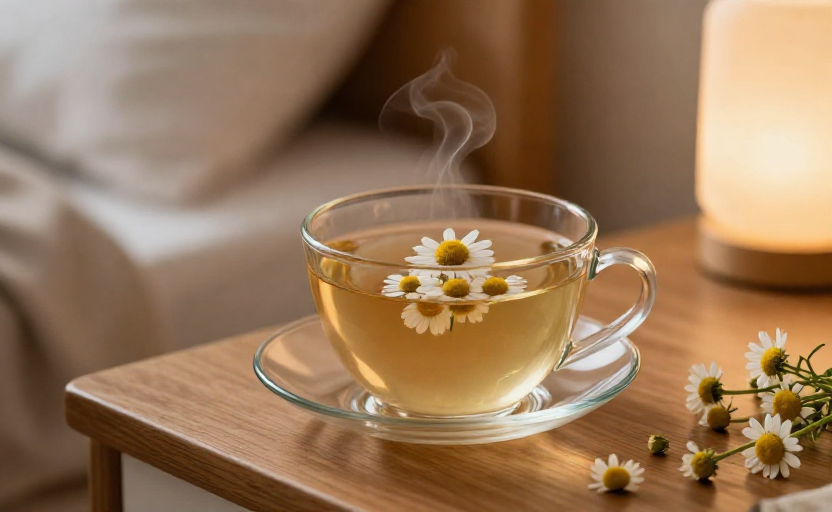
Decaffeinated herbal tea
Herbal teas such as chamomile, peppermint, or ginger are calorie-free and naturally caffeine-free. “Chamomile tea is well-known for its calming properties, which can help lower cortisol levels,” explains one registered dietitian. High cortisol is linked to increased abdominal fat storage, so anything that helps you unwind before bed is a win for body composition. Peppermint tea can also aid digestion and reduce bloating, making you feel lighter in the morning.
Warm water with lemon
Simple and inexpensive, warm lemon water in the evening can support digestion and provide a dose of vitamin C. “While it won’t directly burn fat, staying hydrated helps your body metabolize fat more efficiently,” notes a dietitian. The warmth can also be soothing, signaling to your body that it’s time to wind down.
Tart cherry juice (unsweetened)
Tart cherry juice is one of the few beverages that naturally contains melatonin, the hormone that governs your sleep-wake cycle. A small glass (about 4–6 ounces) of unsweetened tart cherry juice has been shown in studies to improve sleep duration and quality. Better sleep is directly tied to better appetite regulation and lower levels of the hunger hormone ghrelin.
“Sleep is a cornerstone of body composition,” says a dietitian. “If you’re sleep-deprived, you’re more likely to reach for high-calorie foods the next day. Tart cherry juice can be a strategic evening choice to support both sleep and weight management.”
A small glass of kefir or buttermilk
Fermented dairy drinks like low-fat kefir or traditional buttermilk provide protein and probiotics. Protein before bed can stimulate muscle protein synthesis overnight, which is beneficial for maintaining lean mass. Probiotics also support gut health, which researchers now link to a healthier weight. Keep the portion small—about 4 ounces—to avoid discomfort from too much liquid right before sleep.
A bedtime drink with protein can help preserve muscle while you sleep, which supports a higher resting metabolism.
What to avoid in the evening
Sugary sodas and sweetened juices
These cause a rapid spike in blood sugar, followed by a crash that can disrupt sleep and trigger late-night hunger. Even “natural” juices with added sugar are not ideal.
Caffeinated coffee or black tea
Caffeine can stay in your system for hours, interfering with deep sleep. Poor sleep is associated with higher cortisol and poorer metabolic health.
Alcohol
While a glass of wine might make you feel sleepy initially, alcohol fragments your sleep cycles and dehydrates you, which can stall fat metabolism. Dietitians suggest avoiding alcohol at least two hours before bed.
Practical tips for making the switch
- Start small: Replace one evening sugary drink with an herbal tea or a glass of water with lemon each night.
- Set a cutoff time: Stop drinking fluids 1–2 hours before bed to minimize nighttime bathroom trips.
- Watch the temperature: Warm drinks tend to be more relaxing than cold ones, making them a better fit for evening wind-down routines.
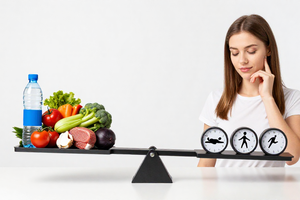
The evening drink you choose won’t singlehandedly transform your body composition, but it can support the broader habits of good sleep, stable blood sugar, and consistent hydration. Small daily choices add up. By swapping a high-sugar or caffeinated beverage for one of these dietitian-approved options, you’re creating a simple ritual that works with your body’s natural rhythms—not against them.