
Sitting at a computer for hours on end is hard on your joints. The hips tighten, the lower back protests, and the shoulders and neck can feel like they are locked in place. While movement is the first line of defense—standing up, stretching, walking—what you eat also matters. The right foods can help maintain the cartilage and connective tissue that take the brunt of prolonged sitting.
Below are four foods that directly support joint health, especially for people who spend most of their day at a desk.
1. Fatty fish for lubrication and inflammation control
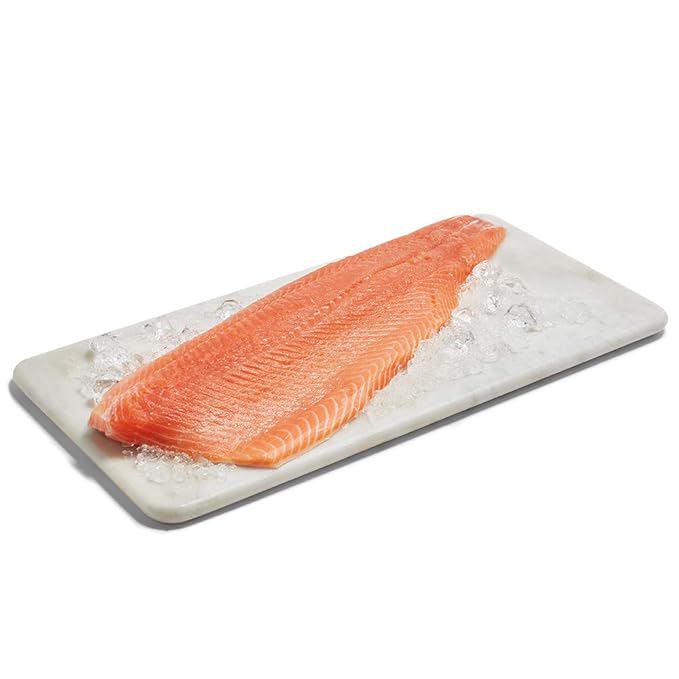
Fatty fish like salmon, mackerel, sardines, and anchovies are rich in long-chain omega-3 fatty acids (EPA and DHA). These fats are used by the body to produce molecules that help resolve inflammation. For someone who sits still for long periods, low-grade inflammation can build up in weight-bearing joints like the hips and knees, as well as in the spine. Omega-3s help keep that process in check.
They also support the synovial fluid that lubricates your joints. When you are seated all day, joint fluid doesn't circulate as well, and cartilage can become starved of nutrients. Eating fatty fish a few times a week is a practical way to support that fluid and reduce morning stiffness or creaky knees.
Tip: Canned sardines or mackerel are an easy desk-lunch option. Keep a fork in your drawer.
2. Leafy greens for bone and cartilage integrity
Kale, spinach, collard greens, and Swiss chard are high in vitamin K, a nutrient essential for activating proteins that bind calcium in bone and cartilage. For desk workers, this matters because sitting compresses the spine and can accelerate the breakdown of intervertebral discs if the surrounding bone structure is weak.
Vitamin K also helps prevent calcification of cartilage, which is a sign of joint aging. Aim for at least one serving of dark leafy greens per day. It can be as simple as adding a handful of spinach to a smoothie or having a side salad with lunch.
3. Berries to protect connective tissue
Blueberries, strawberries, raspberries, and blackberries are packed with anthocyanins and other flavonoids that protect collagen—the structural protein that holds your joints together. Collagen acts like a scaffold for cartilage and tendons, and it is under constant oxidative stress when you are sedentary and eating a processed diet.
Berries help slow the breakdown of collagen and may even stimulate its production. They are also low in sugar compared to other fruits, making them a smart choice for steady energy during a long workday. Frozen berries are just as good as fresh and often more affordable.
4. Nuts and seeds for trace minerals and healthy fats
Walnuts, almonds, flaxseeds, and chia seeds deliver magnesium and zinc—two minerals that are often low in modern diets and that play a direct role in joint health. Magnesium relaxes tight muscles around the joints (think: neck and lower back tension from poor desk posture), while zinc supports tissue repair and collagen synthesis.
These foods also provide alpha-linolenic acid (ALA), a plant-based omega-3 that complements the fish-derived EPA and DHA. A small handful of walnuts or a tablespoon of ground flaxseed stirred into yogurt is an easy way to reinforce joint resilience without changing your whole diet.
None of these foods will undo the effects of sitting for eight hours straight. But as part of a consistent pattern—alongside movement breaks, ergonomic adjustments, and hydration—they can make a meaningful difference in how your joints feel day to day. Your body needs raw materials to maintain itself. These four foods supply some of the most important ones.