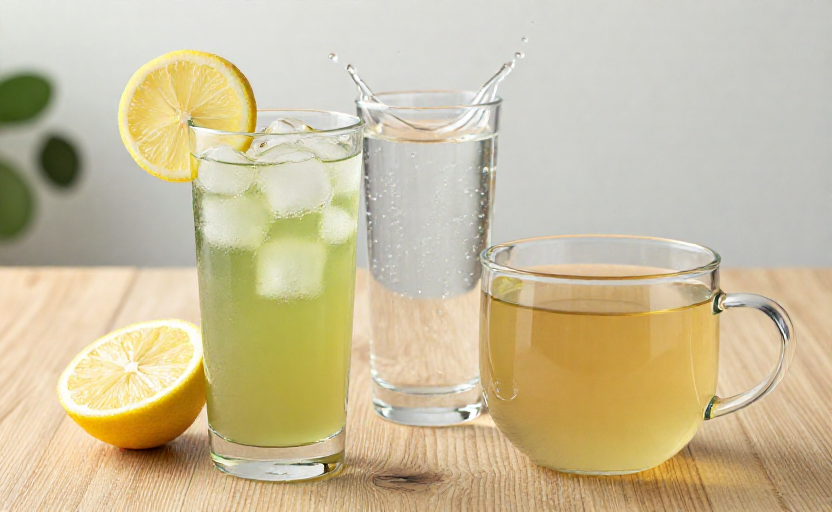
Staying hydrated is one of the simplest ways to support steady energy and avoid mindless snacking, but plain water isn't the only option. If you find yourself reaching for a snack when you're actually just thirsty, the right beverage can make a real difference. Here are three hydrating swaps — beyond water — that help calm cravings and keep your appetite in check.
Why your drink choice matters for appetite
Thirst signals can easily masquerade as hunger. Your brain's hypothalamus, which regulates both thirst and hunger, sometimes sends mixed messages. When you're dehydrated, you might feel a gnawing sensation that feels like a need for food — when really your body wants fluid. Choosing beverages that provide gentle satiety, blood-sugar stability, or a soothing ritual can help you avoid unnecessary calories.
These three swaps go beyond simple hydration. They offer compounds that support fullness, reduce cravings, or provide a comforting sensory experience that signals the brain that a meal or snack has concluded.
1. Green tea
Green tea is one of the most studied beverages for appetite control. It contains a combination of catechins (especially epigallocatechin gallate, or EGCG) and a modest amount of caffeine. This pairing appears to support slightly increased energy expenditure and fat oxidation, but more relevant to appetite: green tea can help stabilize blood sugar after meals. Stable glucose levels mean fewer sudden hunger spikes.
Beyond the chemistry, drinking a warm cup of green tea provides a natural pause. The ritual of sipping slowly — without sweeteners — can help you delay a snack decision by 20 to 30 minutes, often enough for a true hunger signal to emerge or fade. If you're used to soda or sweetened coffee, replacing one daily serving with unsweetened green tea can cut 150–200 calories without making you feel deprived.
Tip: Avoid adding sugar or honey if appetite control is your goal. A squeeze of lemon adds flavor without calories.
2. Sparkling water with a splash of vinegar
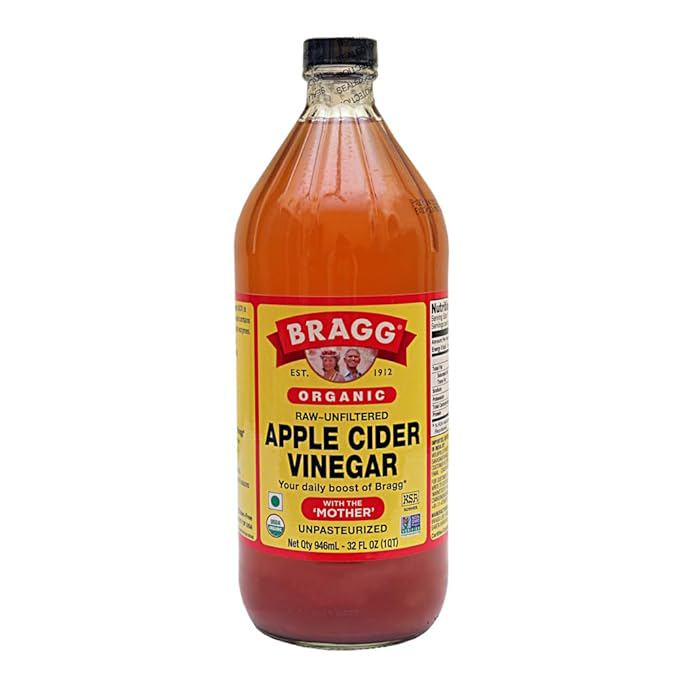
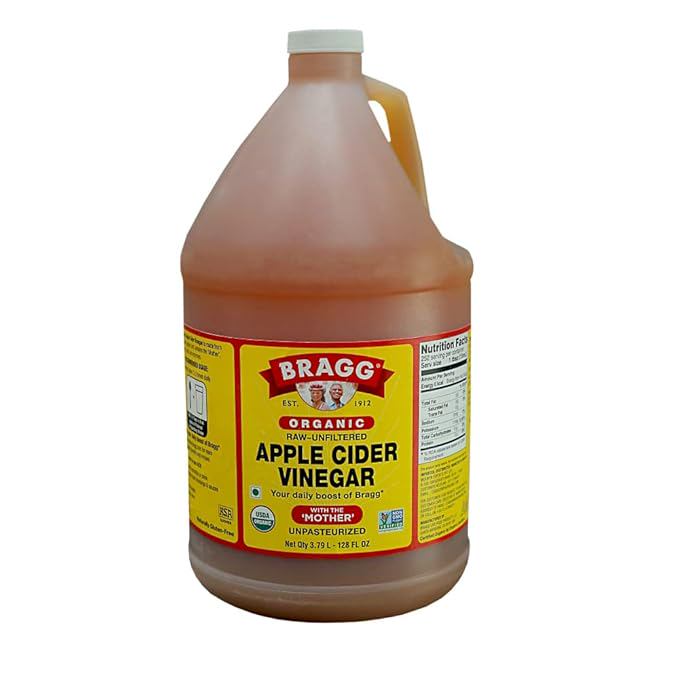
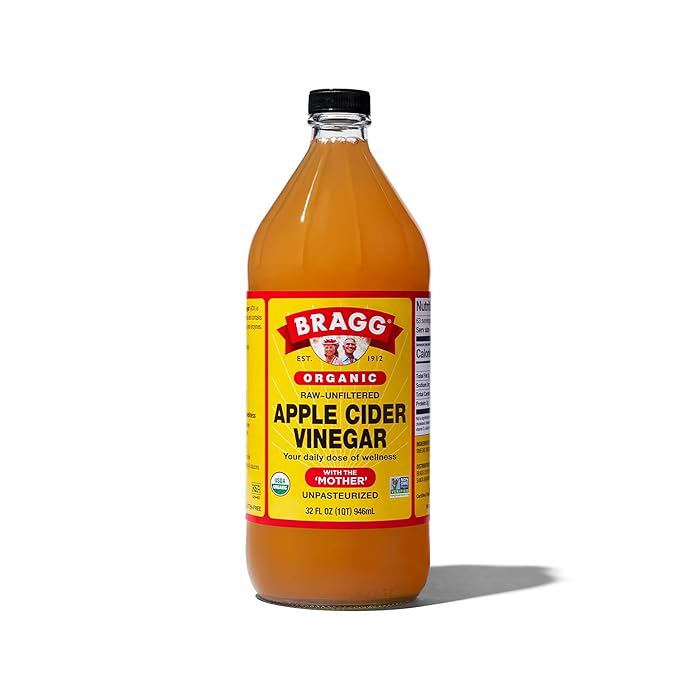
This may sound odd, but it works. Carbonated water provides sensory interest — the bubbles create a feeling of fullness in the stomach and can slow down how quickly you drink. Adding a splash of apple cider vinegar or white balsamic (about one tablespoon per 12 ounces) introduces acetic acid, a compound shown in research to improve post-meal insulin sensitivity and reduce the glucose spike after carbohydrate-heavy meals.
When insulin functions more efficiently, your body releases less of it, and lower insulin levels are linked to fewer cravings and less fat storage. The tart, slightly savory flavor also disrupts a sweet tooth pattern: if you tend to crave sugary drinks, the vinegar shift can re-train your palate over a few weeks.
Start with a half-splash and adjust to taste. If the flavor is too sharp, add a pinch of sea salt or a few frozen raspberries (which you can eat afterward for a tiny nutrient boost).
3. Bone broth or savory herbal broth
Warm sipping broths offer protein and electrolytes without the sugar or caffeine. Bone broth provides collagen, glycine, and a small amount of protein (typically 6–10 grams per cup), which contributes to satiety. Glycine is an amino acid that supports sleep quality and can have a calming effect — helpful if your appetite ramps up in the evening due to stress or fatigue.
For a vegetarian option, an herbal broth made from simmered vegetables, seaweed, mushrooms, and ginger offers minerals and umami flavor that signals satisfaction to the brain. The savory depth can trick the palate into feeling like it's had a small meal, which reduces the urge to snack.
Drink a cup about 30 minutes before a meal or in the late afternoon when cravings often strike. The warmth and flavor provide a comforting bridge between meals.
How to make these swaps stick
Swapping one daily beverage for a lower-calorie, appetite-friendly option is more sustainable than overhauling your entire diet at once. Start with the swap that feels easiest:
- Replace your afternoon soda with unsweetened green tea.
- If you crave carbonation at dinner, try sparkling water with vinegar instead of a second glass of wine or a sugary drink.
- If evening cravings are your weak spot, keep a thermos of warm broth on your desk or nightstand.
Hydration habits take time to build. Within two weeks, your palate adjusts and the unsweetened options start to taste normal — even enjoyable. Your appetite cues become more reliable, and you'll find yourself making food choices from hunger rather than impulse.
Ultimately, better appetite control isn't about willpower. It's about giving your body the right signals — and these three drinks do exactly that.