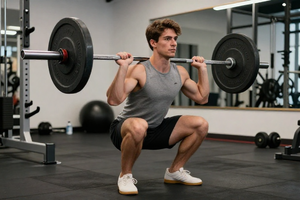
You just finished your last set, you are sweaty, and your muscles feel like they have done honest work. Now comes a moment that matters almost as much as the lifting itself: what you drink to refuel. For new lifters especially, the post-workout drink choice can either support recovery or leave you feeling sluggish.
As a health editor who has spent years talking to sports dietitians and strength coaches, I can tell you there is no magic potion required. The best recovery drinks are straightforward, science-backed, and probably already in your kitchen. Here are three hydrating options that registered dietitians consistently recommend for people new to strength training.
Why hydration matters after lifting
When you lift weights, your muscles contract and generate heat. To cool down, your body sweats, losing water and electrolytes like sodium and potassium. Even mild dehydration—as little as one to two percent of body weight—can reduce strength, power, and endurance. A 2018 study in the Journal of Strength and Conditioning Research found that dehydrated lifters completed fewer reps and reported higher perceived effort compared to when they were properly hydrated.
Beyond performance, hydration supports the protein synthesis process that repairs muscle tissue. Without adequate fluid, your body struggles to transport nutrients to muscle cells and clear out metabolic waste products. So yes, what you drink after lifting directly influences how well you recover and how ready you feel for your next session.
Water: the foundation of recovery
It sounds almost too simple, but plain water is often the best post-lifting beverage, especially for sessions lasting under an hour. Water replaces the fluid lost through sweat without adding calories, sugar, or unnecessary ingredients.
When water works best. For a typical strength workout of 45 to 60 minutes, water is sufficient to restore hydration. The American Council on Exercise recommends drinking 16 to 24 ounces of water for every pound of body weight lost during exercise. In practical terms that means sipping 8 to 16 ounces after your cool-down, then continuing to drink water throughout the day.
When water falls short. If you have been sweating heavily in a hot gym, or if your training session pushed past 90 minutes, plain water may not be enough to replenish the sodium and other electrolytes lost through sweat. In those scenarios, one of the next two options may serve you better.
Tip: Sip your post-workout water rather than chugging it all at once. Your kidneys can only process about 1 liter per hour, so spreading intake helps maintain fluid balance.
Chocolate milk: the unexpected recovery ally
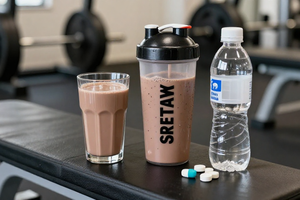
Yes, chocolate milk. It has become a favorite among sports dietitians because it offers a nearly ideal ratio of carbohydrates to protein—roughly 3-to-1 or 4-to-1—which aligns well with what your muscles need after resistance training.
Why it works. The carbs in chocolate milk replenish glycogen stores that were partially depleted during your workout. The protein provides amino acids for muscle repair, especially leucine, which is a key trigger for muscle protein synthesis. The fluid, calcium, and electrolytes aid rehydration. A 2019 meta-analysis in the European Journal of Clinical Nutrition concluded that milk-based beverages were just as effective as commercial sports drinks for post-exercise rehydration, and often more nutritious overall.
Practical advice. Choose regular chocolate milk (not low-fat or skim) for a better balance of nutrients and satiety. About 8 to 12 ounces after your session works well. If you are lactose intolerant, chocolate soy milk delivers similar protein and carb numbers. One caution: cheese is not a drink, and sweetened coffee doesn't count—stick to actual milk.
Electrolyte-enhanced water with a pinch of something real
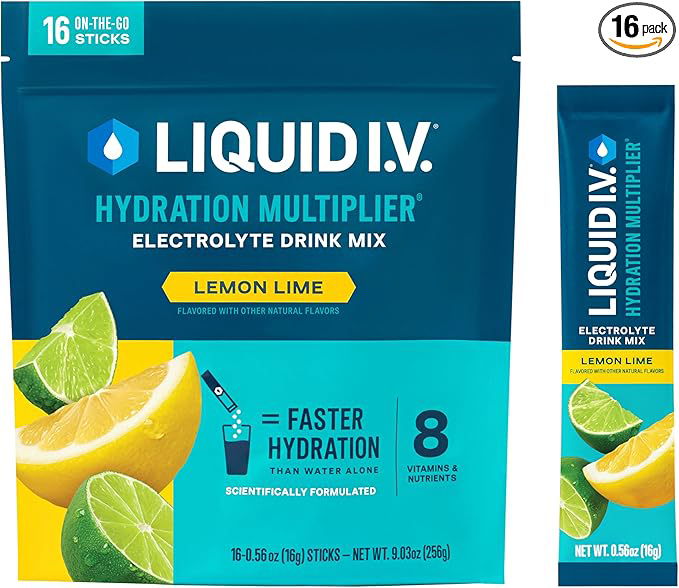
For lifters who prefer a lighter option than milk but need more than plain water, electrolyte-enhanced water is a practical middle ground. This includes both commercial electrolyte waters and DIY versions made by adding a pinch of salt and a squeeze of citrus to plain water.
What electrolytes do. Sodium, potassium, magnesium, and calcium help regulate nerve function and muscle contraction. When you sweat heavily during lifting, you lose these minerals. Replacing them improves fluid absorption and reduces the risk of muscle cramps. A 2021 study in Nutrients found that electrolyte-enriched water improved hydration status significantly better than plain water after exercise-induced dehydration.
Smart choices. Look for electrolyte waters with limited added sugar—ideally under 5 grams per serving. Or make your own: add a tiny pinch of sea salt and a splash of 100 percent lemon juice to 16 ounces of water. If you prefer a pre-made option, those designed for daily hydration (not just endurance athletes) work well without overloading sugar.
Tip: Avoid sports drinks with more than 14 grams of sugar per 8 ounces unless you are doing intense endurance training. Most lifters do not need that level of carbohydrate replacement.
What to skip after lifting
Some beverages can undermine your recovery efforts. Dietitians generally advise new lifters to limit or avoid the following after a session:
- Sugary sodas and fruit punches: these spike blood sugar and provide no protein or electrolyte benefit
- Alcohol: it impairs muscle protein synthesis and delays rehydration
- High-caffeine drinks (energy drinks): caffeine is a mild diuretic and can interfere with fluid retention if consumed in large amounts immediately post-workout
- Flavored lattes with added syrups: the sugar-to-protein ratio is poor, and the dairy content varies considerably
How to choose what is right for you
The best post-lifting drink depends on a few personal factors: the duration and intensity of your workout, how much you sweat, your overall diet, and your digestive comfort. Here is a quick framework:
- Short moderate workout (under 60 minutes, mild sweat): water is perfectly fine
- Long or hard workout (60+ minutes, heavy sweat): electrolyte water or chocolate milk
- You are hungry and need a snack anyway: chocolate milk doubles as a recovery drink and mini meal
- You are watching calories closely: water or electrolyte water are the most calorie-conscious options
Listen to your body. If you feel unusually tired or headachy after lifting, you may need more electrolytes. If you feel bloated or heavy after milk, stick with water or electrolyte drinks. Over time you will learn what helps you feel best.
New lifters often overcomplicate recovery. The truth is that consistent hydration with a sensible choice—water, chocolate milk, or electrolyte water—will serve you well. Focus on your training, drink something real, and let your body do the rest.