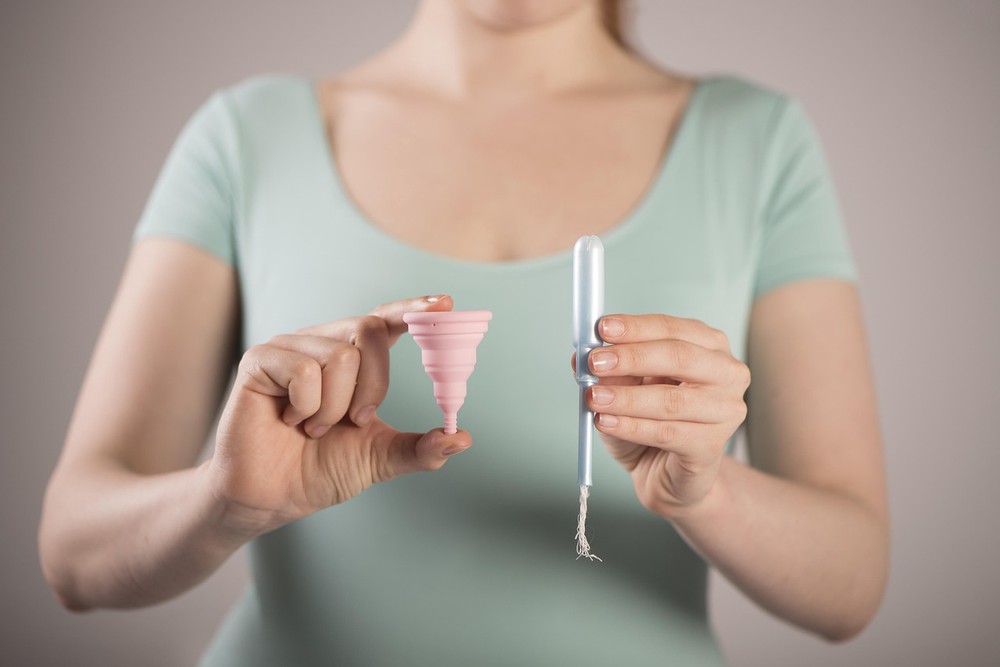
Menstrual cups are a popular eco-friendly alternative to pads and tampons, but not all cups are created equal. If you've tried one and felt irritation, leakage, or an odd smell, the culprit may be the material itself. Experts point to two specific materials that can cause discomfort: thermoplastic elastomer (TPE) and certain low-grade silicones. Here is what you need to know to choose a cup that works with your body, not against it.
Why material matters for comfort and health
The vaginal mucosa is highly absorbent and sensitive. Any material placed inside it for several hours needs to be hypoallergenic, non-porous, and free of plasticizers or chemical additives. Medical-grade silicone is widely considered the gold standard because it is inert, durable, and does not harbor bacteria. However, some cups are made from TPE or cheaper silicone blends that may trigger reactions.
Material #1: Thermoplastic elastomer (TPE)
TPE is a blend of plastic and rubber. It is less expensive to produce than silicone, but it is also more porous. This porosity allows microscopic bacteria and yeast to cling to the cup even after washing, which can lead to recurrent infections or odors. Some users also report that TPE cups feel stiffer or less flexible, making insertion and removal uncomfortable. If you have a copper IUD, a TPE cup's stronger seal may increase the risk of displacement.
Material #2: Non–medical-grade silicone
Not all silicone is the same. Industrial-grade or mixed silicones may contain fillers, dyes, or additives that can irritate sensitive skin. These lower-quality silicones can also degrade faster, developing a rough texture or sticky surface over time. Experts recommend looking for cups labeled 100% medical-grade silicone (USP Class VI or equivalent), as these have passed rigorous biocompatibility testing.
How to identify a safe cup
- Check the labeling: Look for “medical-grade silicone,” “USP Class VI,” or “FDA-approved” on the packaging. Avoid cups that list only “silicone” without a grade.
- Feel the texture: A high-quality silicone cup should be smooth, flexible, and have a matte finish. If it feels tacky, greasy, or overly stiff, it is likely a lower-grade material.
- Consider your sensitivity level: If you have a history of yeast infections, bacterial vaginosis, or allergies, stick with medical-grade silicone. TPE may be okay for occasional use but is not recommended for daily or prolonged wear.
Tip: If you experience burning, itching, or unusual discharge after using a cup, remove it immediately and switch to a silicone alternative. Persistent symptoms warrant a visit to your gynecologist.
What about stems, rings, and other features?
Beyond the main material, the stem or pull-tab can also cause discomfort if it is made of the same low-grade material. Some cups have a ball-shaped stem or a ring that can irritate the vaginal opening. If you are sensitive, choose a cup with a smooth, integrated stem or one that can be trimmed without creating sharp edges.
Cleaning and care matter too
Even medical-grade silicone can become a problem if it is not cleaned properly. Always boil your cup between cycles, wash it with a mild, fragrance-free soap, and store it in a breathable cotton bag. Avoid using oil-based lubricants, as they can degrade silicone over time. Replace your cup every 1 to 2 years, or sooner if you notice any changes in texture or flexibility.
Choosing the right menstrual cup is a personal decision, but the material is the foundation. By avoiding TPE and non–medical-grade silicone, you can reduce the risk of irritation and get the leak-free, comfortable experience that makes cups so appealing. When in doubt, talk to your healthcare provider about which cup is best for your anatomy and health history.