
Most of us have a routine when it comes to managing our period—grab a pad or tampon, go about our day, and change it when we remember. But according to OB-GYNs, a few common habits that feel harmless could actually be putting your vaginal health at risk. From wearing a pad too long to using the wrong type of product, these three habits are worth breaking for the sake of your body.
Waiting too long between changes
It's easy to let a pad or tampon stay in place for hours, especially when you're busy or sleeping. But leaving a pad on for more than four hours, or a tampon in for longer than eight, creates a warm, moist environment where bacteria thrive. Over time, this can lead to infections like bacterial vaginosis or even toxic shock syndrome (TSS). OB-GYNs recommend setting a timer if you need a reminder—every three to four hours for pads, and no more than eight hours for tampons, even on light-flow days.
“The blood itself isn't dirty, but when it sits against your skin or inside your vagina for too long, it can disrupt your natural pH balance and invite irritation,” says Dr. Alyssa Dweck, a gynecologist in New York.
Using scented products or douches
Many pads and tampons come with fragrances meant to mask menstrual odor. But those artificial scents often contain chemicals that can irritate the sensitive vulvar and vaginal tissues. Scented products can cause contact dermatitis, itching, and even yeast infections. Douching—rinsing the vagina with a store-bought solution—is another habit doctors strongly discourage. It flushes out healthy bacteria and can push bacteria deeper into the reproductive tract, increasing the risk of pelvic inflammatory disease. Stick to unscented pads and tampons, and let your body clean itself naturally.
Not changing pads or tampons before bed
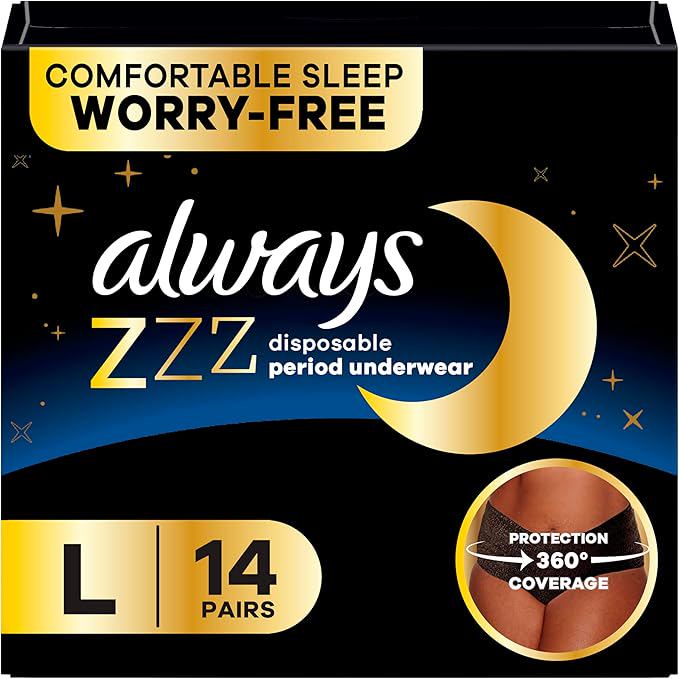
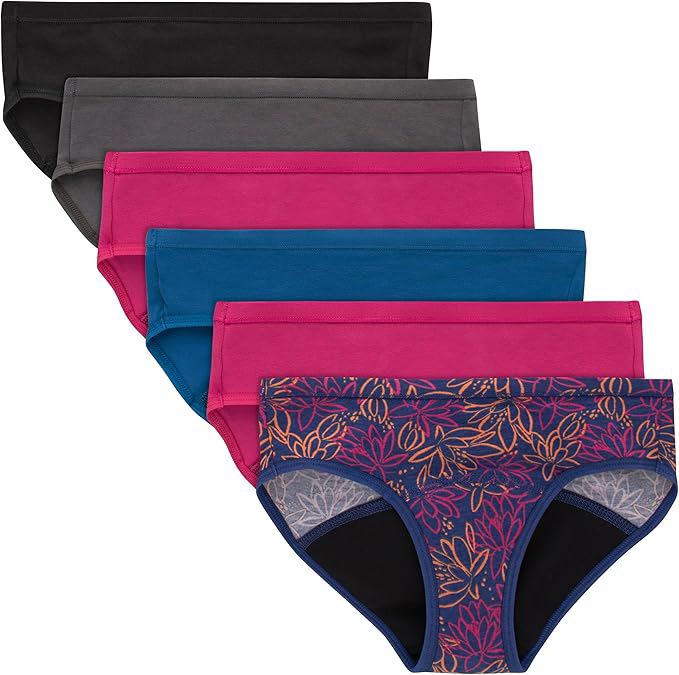
Sleeping through the night without a change is common, but it's risky if you don't pick the right product or absorbency. Wearing a super-absorbent tampon for eight or more hours raises the risk of TSS. For overnight protection, many OB-GYNs suggest switching to a pad or period underwear. If you prefer tampons, choose the lowest absorbency that works for your flow, and set a goal to change it right when you wake up. Even with pads, changing into a fresh one before bed reduces the chance of skin irritation and keeps the area drier.
Period care doesn't have to be complicated. Small adjustments—like changing products on time, skipping scents, and choosing the right overnight option—can make a big difference in preventing infections and keeping your vaginal ecosystem balanced. Always listen to your body, and when in doubt, check in with a healthcare provider.