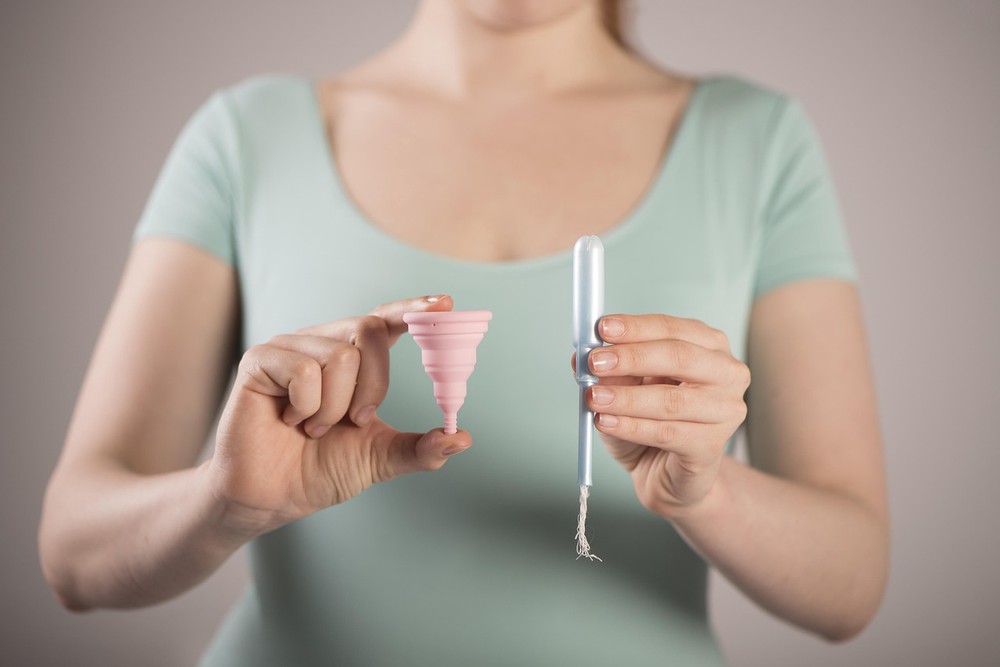
Reusable period products—menstrual cups, discs, and cloth pads—are designed to last for years, making them both economical and eco-friendly. But like any item that comes into close contact with your body, they have a finite lifespan. Using a product past its prime isn't just uncomfortable; it can increase the risk of irritation, infection, and leaks. Knowing when to replace your cup, disc, or pad is essential for maintaining both comfort and health.
Here are two clear warning signs that your reusable period product needs immediate replacement. If you notice either of these, it’s time to shop for a new one.
1. Changes in texture, color, or odor that won't wash out
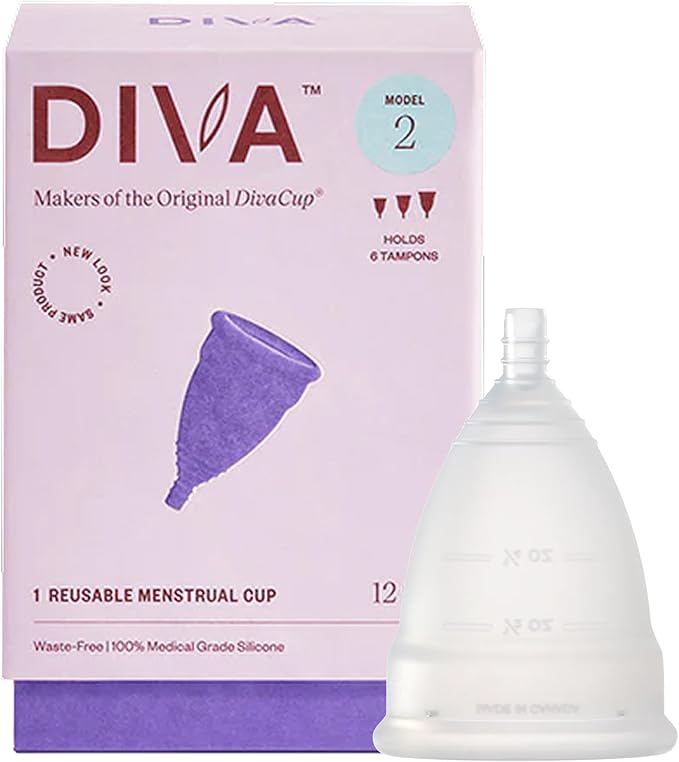
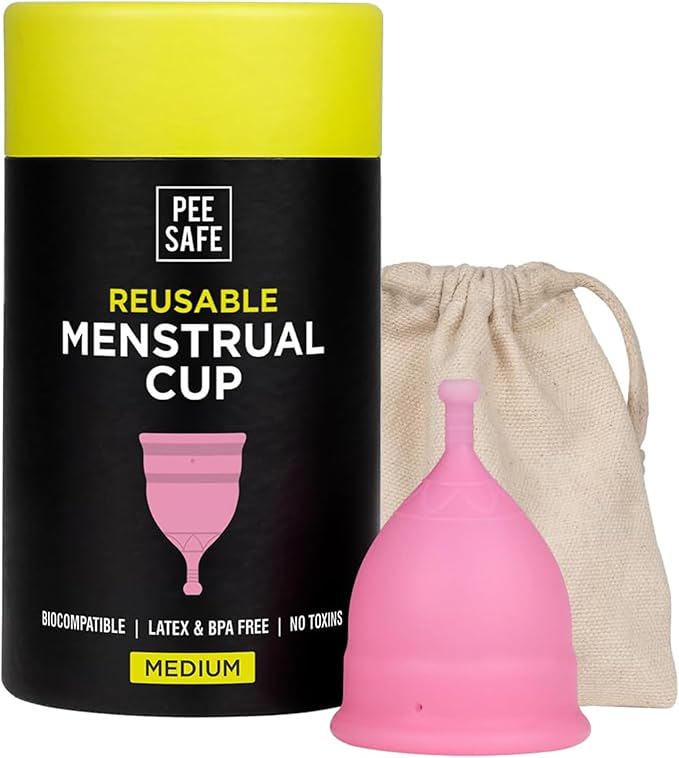
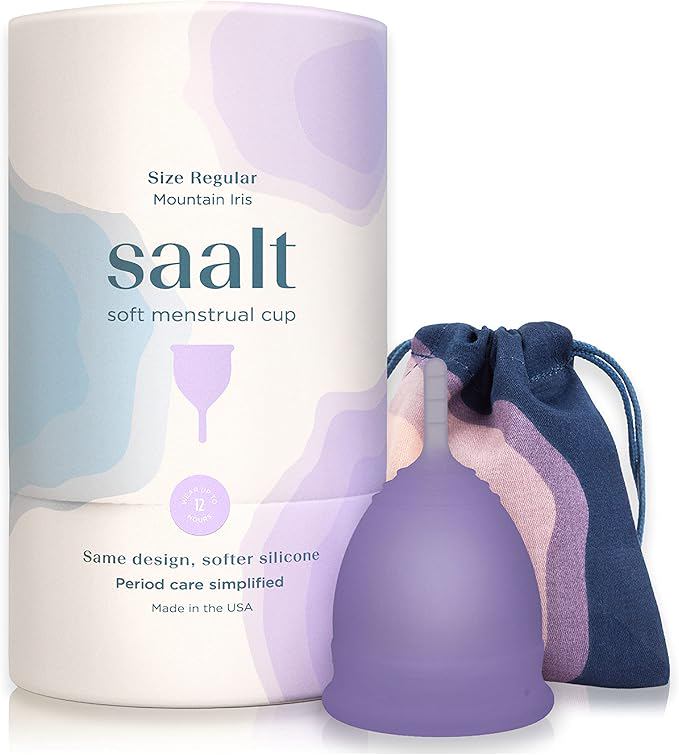
Your menstrual cup or disc should feel smooth and look translucent or nearly clear (or whatever its original color was). When the material starts to degrade, you'll notice physical changes that are hard to miss.
Stickiness, tackiness, or a rough surface
Medical-grade silicone, TPE (thermoplastic elastomer), or rubber can start to break down over time. If the surface feels sticky, tacky, or gritty even after a thorough wash, the material is degrading. This rough texture creates tiny crevices where bacteria can hide, making it impossible to fully sterilize the product. A compromised surface also makes insertion and removal more uncomfortable.
Persistent discoloration or odor
It's normal for a cup or disc to develop a slight stain over time, especially if you've used it for months or years. But a sudden, dark, or widespread discoloration—especially if it's accompanied by a lingering smell that doesn't go away after boiling or a hydrogen peroxide soak—can indicate that the material has begun to absorb fluids and bacteria at a deeper level. That stubborn smell is a red flag that the product is no longer non-porous and may be harboring microbes.
What to do
Don't try to “repair” a sticky or smelly cup with extra scrubbing or harsh chemicals—that only damages it further. Dispose of it and replace it with a new one. Most manufacturers recommend replacing a menstrual cup every 1 to 3 years, but if you notice texture changes earlier, don't wait.
2. Visible cracks, tears, or permanent deformation
A reusable cup, disc, or pad needs to hold its shape and remain intact to work properly. Any physical damage is a clear sign that the product's structural integrity is gone.
Cracks and tears in silicone or rubber
Check your cup or disc regularly under good lighting. Small cracks along the rim, at the base of the stem, or across the body of the cup can happen over time, especially if you've folded it aggressively or stored it in a hot car. Even a tiny tear weakens the seal, leading to leaks. Worse, those cracks are impossible to clean completely and become a safe haven for bacteria.
Permanent warping or loss of shape
A menstrual cup should spring back into its round or bell shape after being folded. If it stays flattened, won't open fully inside your body, or has distorted rims, the silicone has lost its elasticity. A disc should hold its firm yet flexible rim shape. If the rim is bent out of shape, the disc will not stay in place behind the pubic bone and will leak.
For cloth pads: frayed edges, holes, or broken snaps
Cloth pads also have a lifespan. Inspect the fabric for thinning, holes, or unraveling threads. If the waterproof backing (often PUL) has separated or cracked, the pad will soak through. Broken or rusted snap closures mean the pad won't stay securely on your underwear.
What to do
Once you see any crack, tear, or permanent warp, stop using the product immediately. A damaged cup or disc cannot create a reliable seal, which defeats the purpose of a reusable product. Replace it with a fresh one right away.
How to make your reusable period products last longer
Getting the full lifespan out of your product comes down to proper care. Rinse with cold water immediately after use. Wash with a mild, fragrance-free soap (many brands make specific cup washes). Always boil silicone cups for 5–10 minutes between cycles, but avoid boiling TPE cups unless the manufacturer says it's safe—they may degrade faster. Store your cup or disc in a breathable cotton bag, not a sealed plastic container, which can trap moisture and encourage mold. For cloth pads, wash on a gentle cycle and avoid fabric softeners, which coat the fibers and reduce absorbency.
Reusable period products are an excellent investment in your health and the planet—but they're not immortal. Pay attention to texture, smell, and shape. When you spot one of these warning signs, don't hesitate. A fresh product is a safer product.