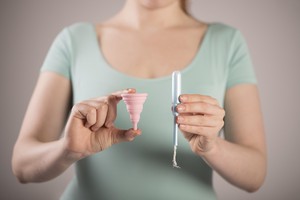
Most of us don't give much thought to the pads, tampons, or menstrual cups we reach for each month. We assume they're safe and that any discomfort is just part of the deal. But sometimes, that nagging itch, a strange rash, or a feeling of rawness down there is not normal—it's a sign that your menstrual hygiene product may be causing irritation.
Your vaginal tissue is incredibly sensitive and absorbent, and it can react to ingredients, materials, or even the way a product fits. If you've been dealing with any of the five signs below, it might be time to rethink what you're using. Let's walk through each warning sign and what you can do about it, keeping your comfort and health front and center.
1. Persistent Itching That Won't Quit
A little itchiness right before your period is common due to hormonal shifts and slight changes in pH. But if you feel a localized, persistent itch that starts shortly after you insert a product and lasts the whole time you wear it, that's a major clue. This type of irritation often points to a contact reaction—your skin does not agree with something the product contains.
The usual suspects include fragrances, dyes, and the adhesives used on pantyliners and pads. Even so-called "natural" scents can be harsh on vulvar skin. If you notice the itch is worst in the area where the pad touches you or at the opening of the vagina, swap to an unscented, dye-free product for a cycle or two and see if it resolves.
2. Redness, Rash, or Swelling
Visible changes in the skin are a clear warning that something is wrong. Redness, a bumpy rash, or swelling of the labia or the area around your vaginal opening should never be ignored. This can look like a heat rash or contact dermatitis, and it is your body's way of saying, "This product is not for me."
Tampons and pads are often bleached using chlorine, which can leave behind trace dioxins—a known irritant. Menstrual cups and discs, especially those made from silicone or TPE (thermoplastic elastomer), can also cause reactions in people with sensitivities. If you develop any swelling or a rash that appears within a few hours of use, remove the product immediately and give your skin a break. Switch to a 100% organic cotton pad or a medical-grade silicone cup to reduce the risk.
3. Burning Sensation or Stinging
A burning feeling is a step up from itching and signals a more serious irritation. If you experience a stinging or burning sensation either during insertion or while wearing your product, stop using it. This can happen with tampons that are too dry (low absorbency for your flow), but it can also be a reaction to a chemical ingredient in the product's material or a preservative.
Some people experience burning from the plastic applicators of certain tampon brands or from the polypropylene fibers in conventional pads. If you feel a chemical burn-like sensation, it's wise to switch to a reusable option like a menstrual disc made from medical-grade silicone or a set of cloth pads, which are free from the bleaches and binders that cause these reactions.
4. Unusual Odor or Discharge Changes
Your vagina has its own self-cleaning system, and a healthy smell changes throughout your cycle. But if you notice a sudden, strong chemical smell or an unusual discharge (different color or texture) that coincides with using a specific product, consider it a warning. Synthetic materials and fragrances can disrupt your vaginal microbiome.
Pads and pantyliners are the biggest culprits here because they act like a plastic wrap, trapping heat, moisture, and bacteria against the skin. This environment not only irritates but can also lead to an imbalance of flora, resulting in a yeast infection or bacterial vaginosis (BV). If the odor or discharge clears up after you stop using a particular brand, you've found your trigger.
5. Pain That Doesn't Match Your Cramps
Menstrual cramps are a dull ache in the lower abdomen and back. But if you feel a sharp, localized pain or deep pelvic pressure that is only present when you have a tampon, cup, or disc inserted, that is a different kind of hurt. For tampons, severe pain can be a sign of Toxic Shock Syndrome (TSS), though that is rare. More commonly, the pain is from a cup that is creating too much suction against your cervix or a tampon that is rubbing against a sensitive spot.
If the pain subsides immediately after you remove the product, the issue is mechanical or material sensitivity, not your period. Try a smaller size or a different shape of menstrual cup, or switch to period underwear for a cycle, and monitor if the pain recurs.
When to See a Doctor
While switching products often clears up mild irritation, you should see a healthcare provider if you experience any of these warning signs along with fever, chills, vomiting, or a rash that looks like a sunburn (widespread and red)—these are symptoms of TSS. Also, see a doctor if irritation lasts longer than a few days after you stop using the product, or if you have open sores, blisters, or a discharge that smells foul or is green/yellow.
A gynecologist can help you figure out if you have a contact allergy, a yeast infection triggered by your product, or a sensitivity to a specific material like latex or silicone. Keeping a log of which products you use and what symptoms you get is incredibly helpful for this process.
A quick tip from health educators: choose unscented, unbleached, and 100% cotton products when you can. Your vaginal tissue absorbs what it touches.
Final Thoughts
Your period care should feel like a non-event—not a source of pain or worry. If you've been chalking up itching, burning, or rashes to just being part of having a period, please stop. You have a right to comfortable, safe products. Listen to your body's signals: if a product causes any of these five signs, it is not the right product for you. Try a different brand, a different material, or a different type of product. Your body will thank you.