
For many women, menstrual cramps are a monthly ordeal that can range from a dull ache to sharp, debilitating pain. While over-the-counter medications can help, a growing body of research suggests that certain foods may offer natural relief by reducing inflammation and relaxing muscle contractions. Here are six foods, backed by science, that may help you manage period pain more comfortably.
Why Diet Matters for Menstrual Cramps
Menstrual pain, or dysmenorrhea, is largely driven by prostaglandins—hormone-like compounds that trigger inflammation and uterine contractions to shed the uterine lining. High levels of prostaglandins lead to more intense cramps. Certain foods contain anti-inflammatory compounds, antioxidants, and minerals like magnesium and calcium that can help lower prostaglandin levels and relax the uterine muscles, potentially easing discomfort.
1. Ginger
Ginger is one of the most well-studied natural remedies for period pain. Research suggests that ginger can be as effective as ibuprofen in reducing the severity of menstrual cramps. Its active compounds, gingerols and shogaols, have anti-inflammatory properties that help suppress prostaglandin production. A warm cup of ginger tea or adding fresh ginger to stir-fries and smoothies during your period may provide noticeable relief.
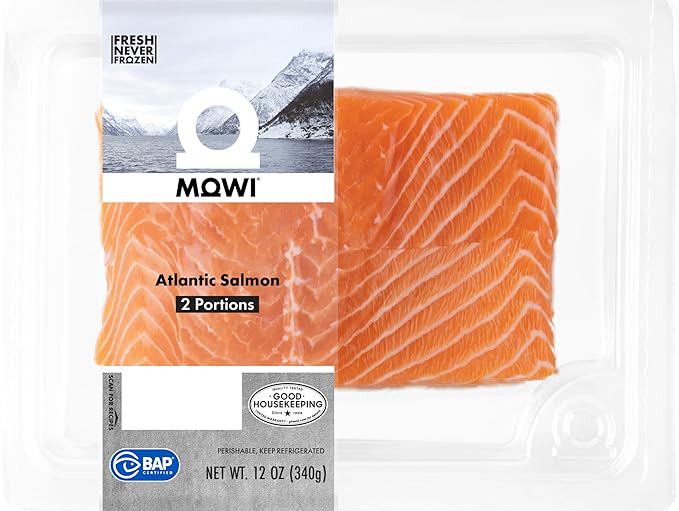
2. Salmon
Fatty fish like salmon are rich in omega-3 fatty acids, which are powerful anti-inflammatory agents. Studies have shown that women who consume more omega-3s tend to report less severe menstrual pain. These healthy fats can help lower levels of inflammatory prostaglandins. Aim to include salmon in your diet a few days before and during your period. If you don't eat fish, consider an algae-based omega-3 supplement, but always check with a healthcare professional first.
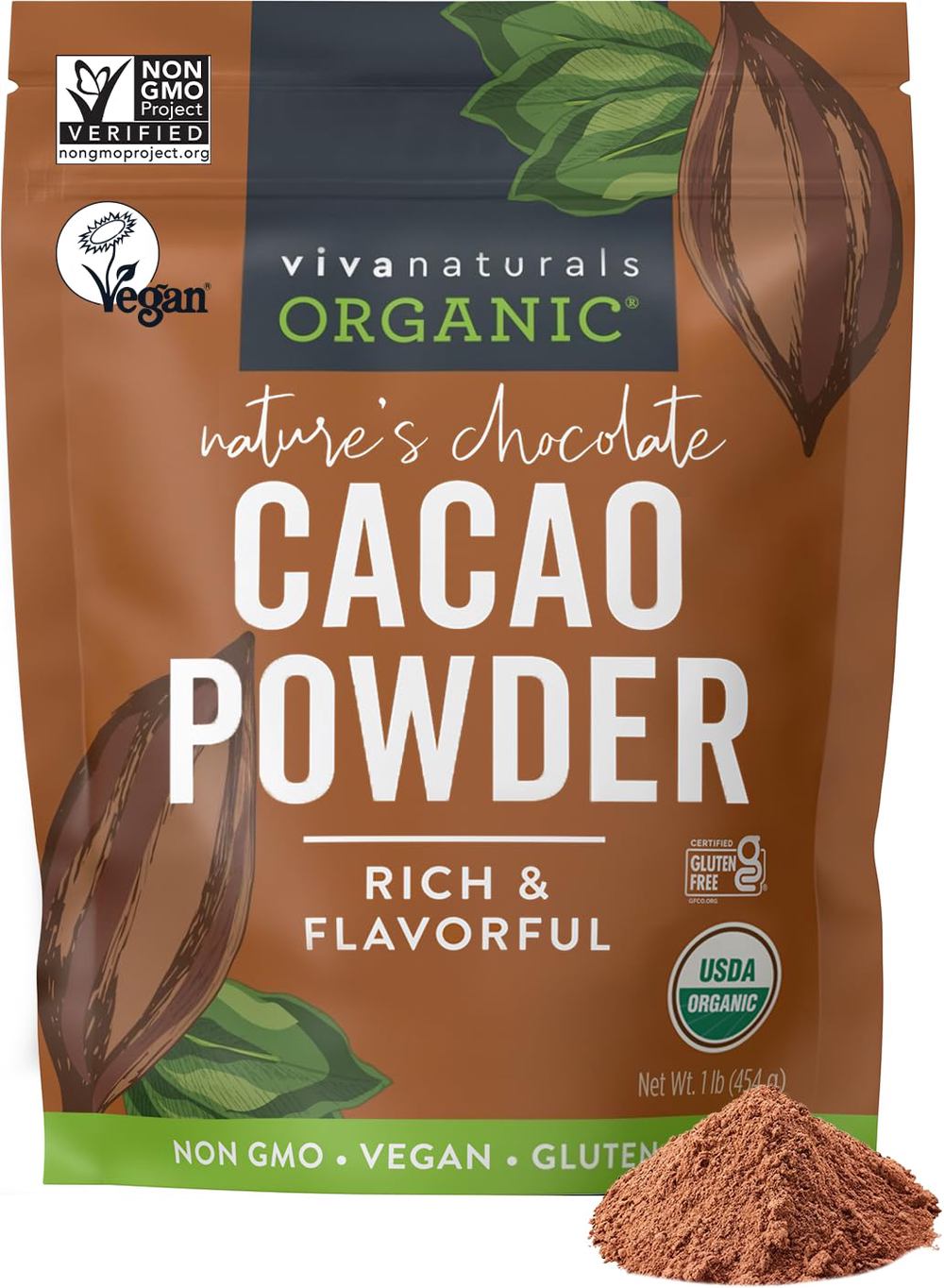
3. Dark Chocolate
Dark chocolate is more than just a craving—it’s a legit source of magnesium. Magnesium helps relax muscles and can reduce the severity of uterine contractions, which are the root cause of cramping pain. It also helps calm the nervous system, which may ease tension and mood swings. Look for dark chocolate with at least 70% cocoa content and enjoy a small square or two daily starting a week before your period.
4. Turmeric
The vibrant yellow spice turmeric contains curcumin, a compound with strong anti-inflammatory and antioxidant effects. Curcumin can inhibit the activity of enzymes that produce prostaglandins, thereby reducing inflammation and pain. To enhance absorption, pair turmeric with black pepper and a little healthy fat, such as in a golden milk latte or a curry dish.
5. Leafy Greens
Spinach, kale, Swiss chard, and other leafy greens are rich in iron, calcium, and magnesium. Calcium plays a direct role in muscle contraction and relaxation, and studies link higher calcium intake to reduced menstrual pain. Iron helps replenish what you lose through your period, which can combat fatigue. Sauté greens with garlic and olive oil, blend them into smoothies, or add them to soups.
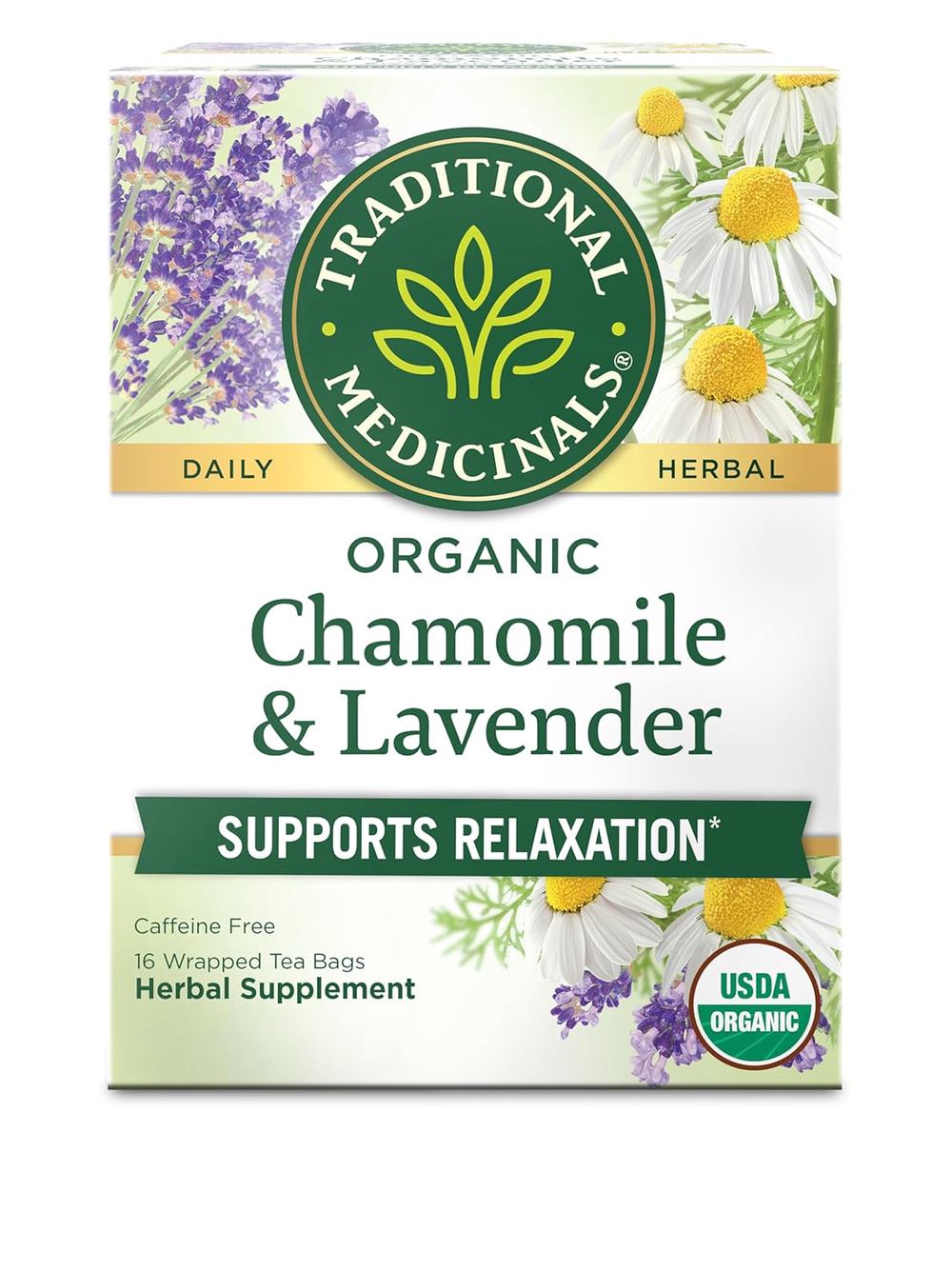
6. Chamomile Tea
Chamomile is well known for its calming properties, but it may also help with cramps. It contains glycine, an amino acid that can relieve muscle spasms and act as a mild sedative for the nervous system. Drinking chamomile tea regularly during your menstrual phase may help reduce the intensity of cramping and improve sleep quality. It’s a gentle, caffeine-free option you can sip throughout the day.
Incorporating these foods into a balanced, anti-inflammatory diet may help you manage period pain more naturally. Remember that nutrition is just one piece of the puzzle—staying hydrated, applying heat, gentle exercise, and stress management also play key roles. If your cramps are severe or disrupt your daily life, consult a healthcare provider to rule out underlying conditions like endometriosis or fibroids.