
Waking up drenched in sweat, kicking off the covers only to feel chilled moments later—it’s a disrupted, frustrating cycle. When night sweats stem from hormone changes, particularly during perimenopause and menopause, your body’s internal thermostat goes haywire. While hormone therapy remains a standard medical option, many people seek gentler approaches first.
The experts I spoke with—a mix of endocrinologists, registered dietitians, and integrative medicine practitioners—agree that certain natural remedies genuinely help. None of these replace a doctor’s advice, but they can cool the experience down significantly. Here’s what the evidence and clinical experience point to.
Why hormones hijack your sleep temperature
The short version: estrogen plays a key role in the hypothalamus, the brain region that regulates body temperature. As estrogen levels decline, the hypothalamus gets confused. It may suddenly signal that your body is overheating, triggering a wave of heat dissipation—sweating, widened blood vessels, and a racing heart. This happens most intensely at night for many women because core body temperature naturally drops during sleep, and the hormonal misread amplifies the response.
“Your body isn’t actually hotter. It’s reacting to a false alarm. The goal of many natural approaches is to calm that alarm system.” — Dr. Rebecca Lang, MD, endocrinologist
Four natural strategies experts actually recommend
1. Dress your bedding, not just your body
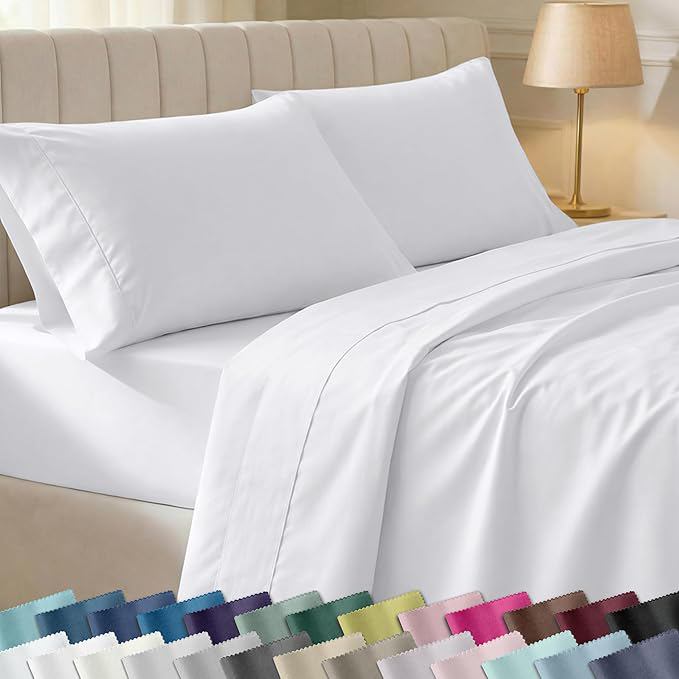
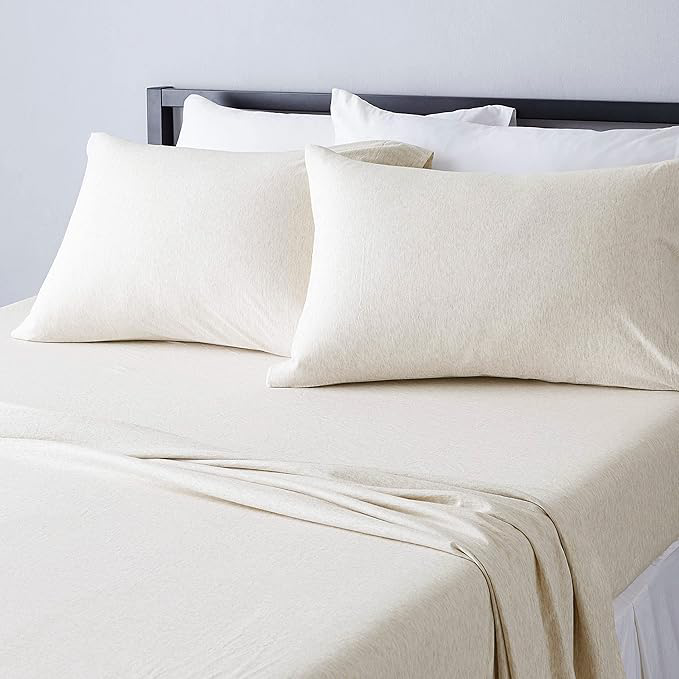
One of the simplest fixes is also one of the most effective. Swap synthetic sheets for natural fibers like cotton, linen, or bamboo. These materials breathe and wick moisture away rather than trapping heat. Layer your bedding—a thin blanket under a slightly heavier one—so you can peel layers back in seconds without fully waking. Cooling mattress toppers and specialized cooling pillows are also worth trying; they use phase-change materials or airflow design to pull heat away from your skin.
2. Mind your evening plate
Certain foods and drinks are known triggers. Spicy foods contain capsaicin, which directly triggers heat receptors in the mouth and can ramp up whole-body warmth. Caffeine and alcohol are both vasodilators and can destabilize your temperature control. Avoiding these in the three to four hours before bed is a common recommendation from dietitians.
On the flip side, some foods may support hormone stability. Phytoestrogens—plant compounds that weakly mimic estrogen—are found in soy products (tofu, edamame, tempeh), flaxseeds, and oats. The research is mixed, but a 2021 review in the journal Menopause found that consistent soy isoflavone intake modestly reduced hot flash and night sweat frequency. A dietitian I consulted suggests one serving of whole soy daily, rather than high-dose supplements, for a gentler approach.
3. Breathwork and relaxation before lights out
Stress hormones, particularly cortisol, can aggravate night sweats. Cortisol and estrogen interact, and chronic stress makes the hypothalamus more sensitive. Teaching your body to downshift before bed can raise your tolerance for temperature spikes. A technique called paced breathing—inhaling for four counts, holding for seven, exhaling for eight—repeated five to ten times can lower sympathetic nervous system activity. Some integrative practitioners also suggest a short, guided body scan meditation right before sleep.
4. Acupuncture and acupressure
While not a mainstream medical go-to, acupuncture has a respectable body of evidence for menopause symptoms. A 2019 meta-analysis in BMJ Open pooling data from 12 trials found that women receiving acupuncture reported significantly fewer night sweats compared to those receiving no treatment or sham acupuncture. The mechanism isn’t fully understood, but it likely involves regulation of neurotransmitters that affect temperature control. Acupressure, which you can do at home by applying firm finger pressure to specific points like the “Large Intestine 4” (between thumb and index finger) or “Spleen 6” (above the inner ankle), may also help some women.
Supplements: what works versus what’s overhyped
Walk into any health food store and you’ll find shelves of “menopause support” blends. Here’s the honest breakdown from experts:
- Black cohosh — The most studied herb for hot flashes. Some trials show mild to moderate benefit, but results are inconsistent. The North American Menopause Society notes it can be helpful for some women, though the evidence is stronger for hot flashes than specifically for night sweats. Caution: women with liver conditions should avoid it.
- Vitamin E — A small 2020 study suggested 400 IU daily reduced hot flash severity. It’s generally safe at that dose, but not a guarantee.
- Evening primrose oil — Very weak evidence. Most experts I spoke with consider it unlikely to produce noticeable changes.
- Magnesium glycinate — Not directly for night sweats, but it can improve sleep quality, which may help you sleep through episodes more easily.
Always run supplements by your prescribing clinician, especially if you take medication for blood pressure, thyroid conditions, or mood disorders. Interactions are real.
Lifestyle tweaks with real payoff
Weight management is one area where the evidence stands up. Fat tissue produces estrogen after menopause, and excess body fat can disrupt hormone balance further. A 2022 analysis in Menopause found that women who lost at least 5% of their body weight through dietary changes alone reported 30% fewer night sweat episodes. This doesn’t mean crash dieting—consistent, moderate changes over several months seemed to matter.
Exercise is another powerful lever. Regular moderate activity, especially brisk walking or cycling, improves circulation and helps your body regulate temperature more efficiently. It also lowers baseline cortisol. Early evening exercise is ideal; late-night high-intensity workouts can raise core temperature and temporarily worsen symptoms.
The most effective approach for most women combines several of these strategies—adjusting the environment, timing meals carefully, managing stress, and trying one supplement or therapy at a time so you can see what works for you. Night sweats are not a life sentence. With some trial and error, you can find a method that cools the thermostat and restores your sleep.