
Visible pores are a common cosmetic concern, but the approach to managing them has evolved. Dermatologists emphasize that while you cannot permanently shrink pores, you can significantly reduce their appearance with the right combination of treatments. Here is what skin experts say about four evidence-backed options.
Why do pores look large?
Pores do not have muscles to open and close. Their visible size is influenced by genetics, age, sun damage, and the amount of oil (sebum) your skin produces. When excess oil, dead skin cells, and debris accumulate, they can stretch the pore opening. The goal of most treatments is to keep pores clear and support the surrounding skin so they appear as small as possible.
Option 1: Topical retinoids
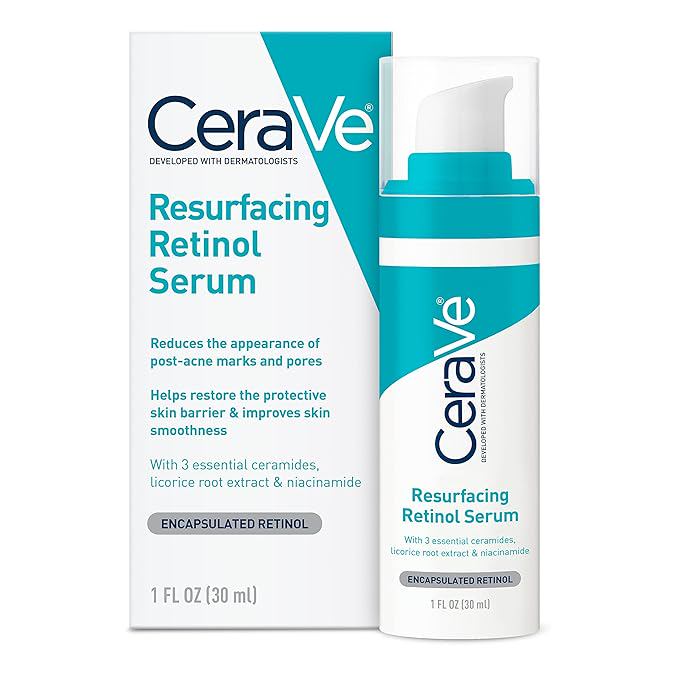
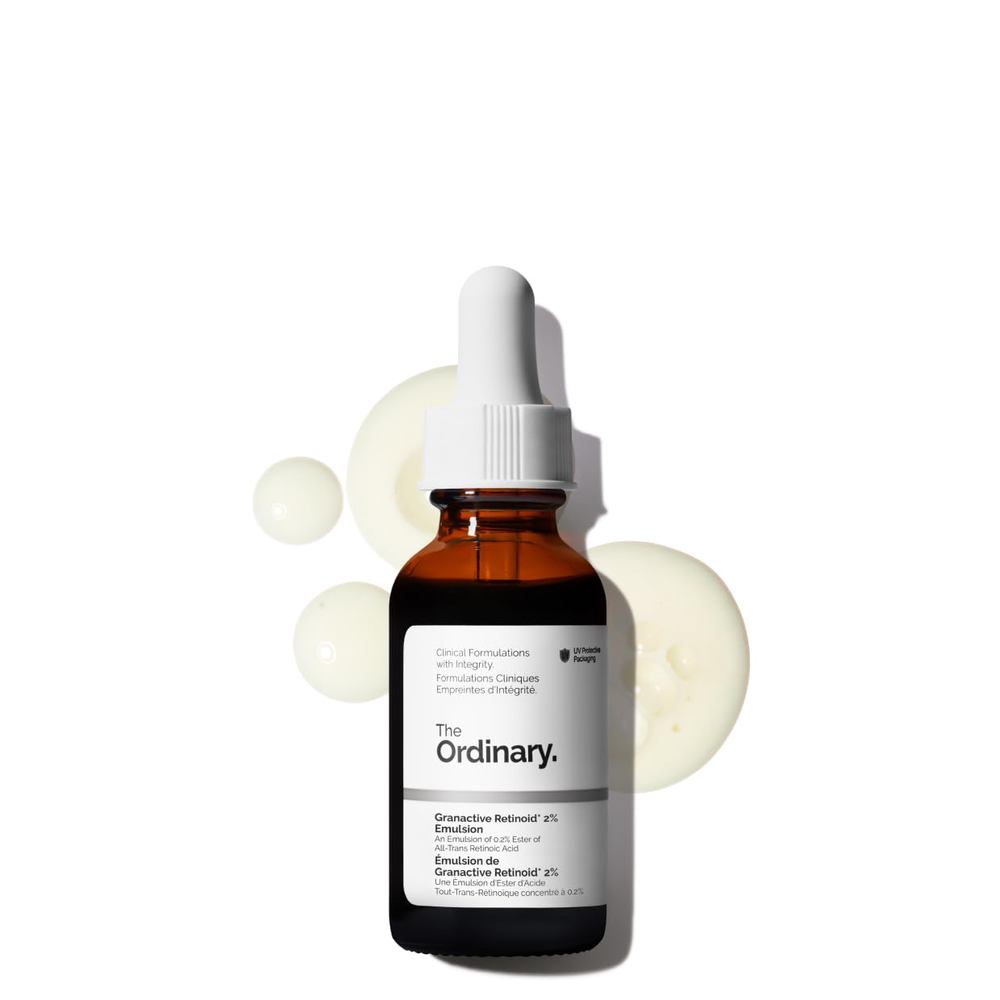
Retinoids, derived from vitamin A, are widely considered the gold standard for minimizing pore appearance. Prescription-strength tretinoin and over-the-counter retinol work by speeding up skin cell turnover. This helps prevent the buildup of dead skin inside the pore and reduces the thickening of the skin around the pore opening.
Experts note that retinoids also stimulate collagen production, which can improve the overall firmness of the skin and help pores look less stretched. Consistency is key — results typically take three to six months. Start with a low concentration a few nights per week and always use sunscreen in the morning, as retinoids increase sun sensitivity.
Option 2: Chemical peels (AHAs and BHAs)
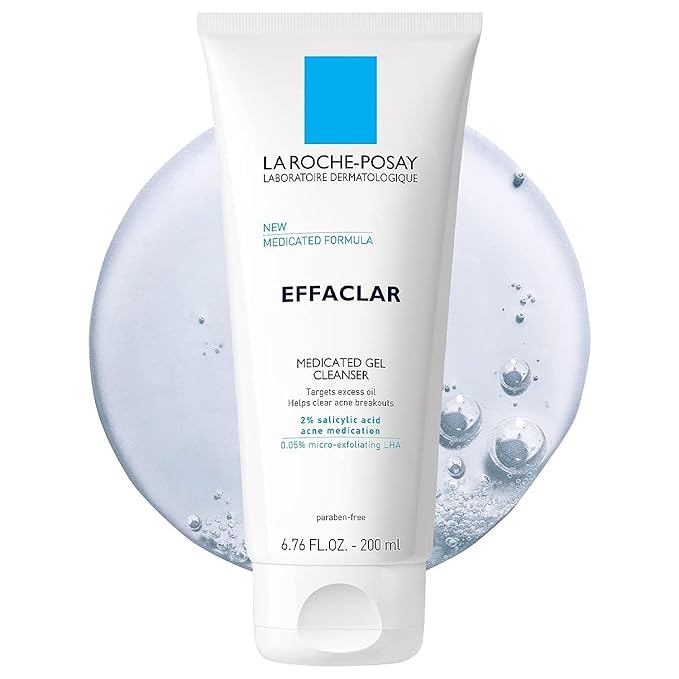
Chemical exfoliants are another first-line option. Alpha-hydroxy acids (AHAs) like glycolic and lactic acid work on the skin's surface to shed dead cells, while beta-hydroxy acids (BHAs) like salicylic acid can penetrate deeper into oily pores to clear blockages.
In-office peels performed by a dermatologist offer higher concentrations for faster results. At-home maintenance peels or creams with lower percentages (5–10% glycolic acid or 2% salicylic acid) are suitable for long-term care. Because these ingredients can be drying, experts recommend balancing them with a gentle, non-comedogenic moisturizer.
Option 3: Laser and light-based treatments
For people who do not respond well to topical treatments, in-office laser therapies offer another path. Non-ablative lasers, such as fractional resurfacing or intense pulsed light (IPL), create microscopic injuries in the skin to stimulate collagen remodeling. Over several sessions, the skin becomes thicker and firmer, which can make pores appear smaller.
Another targeted approach is the use of photodynamic therapy (PDT) with a photosensitizing agent that is absorbed by overactive oil glands, temporarily reducing oil production. Experts advise that laser treatments require downtime and multiple sessions, so they are best discussed with a board-certified dermatologist to weigh cost, recovery, and realistic outcomes.
Option 4: Microneedling
Microneedling uses fine needles to create controlled micro-punctures in the skin. This triggers the body's natural wound-healing response, boosting collagen and elastin production. When the skin around a pore is firmer and more resilient, the pore opening appears tighter.
Some dermatologists combine microneedling with topical serums (like vitamin C or hyaluronic acid) or radiofrequency energy to enhance results. At-home dermarollers are available, but experts caution that professional treatments provide deeper, more consistent outcomes with less risk of scarring or infection.
What about home care and prevention?
Regardless of which treatment route you choose, daily habits matter. A consistent routine should include:
- A gentle, non-comedogenic cleanser twice daily
- An oil-free moisturizer to maintain the skin barrier
- Daily broad-spectrum SPF 30+ sunscreen, since UV damage breaks down collagen and makes pores sag
- Non-comedogenic makeup and skincare products — look for labels that say "won't clog pores"
Bottom line from experts: No single treatment eliminates pores permanently. The most effective strategy combines professional in-office procedures with a consistent at-home routine that keeps pores clear and skin firm.
If you are unsure where to start, a consultation with a dermatologist can help you choose the best option based on your skin type, budget, and tolerance for downtime. Visible pores are a normal part of skin anatomy — treatment is about improving their appearance, not achieving perfection.