
If your forehead and nose seem to produce enough oil to fry an egg by midday, while your cheeks feel tight or even flaky, you may have wondered whether your skin type has changed. The truth is, that pattern — a shiny T-zone paired with dry or normal cheeks — is the classic hallmark of combination skin, not oily skin. Recognizing the difference matters because the wrong routine (like treating your whole face as oily) can leave the dry areas even more irritated and the oily parts still overproducing sebum.
Here are two clear warning signs that your T-zone oiliness may actually be combination skin, along with a gentle approach to balancing both zones without stripping or over-hydrating.
Sign 1: Your cheeks feel tight or look dull after cleansing
When you wash your face with a foaming gel or a mattifying cleanser designed for oily skin, do your cheeks feel taut, dry, or slightly rough within minutes? That is a strong signal that those areas do not have the same lipid barrier as your T-zone. In true combination skin, the sebaceous glands are more active on the forehead, nose, and chin, while the cheeks produce far less oil. A harsh cleanser strips the already-scant lipids from the cheeks, leading to a stripped sensation, flakiness, or even a temporary red tightness.
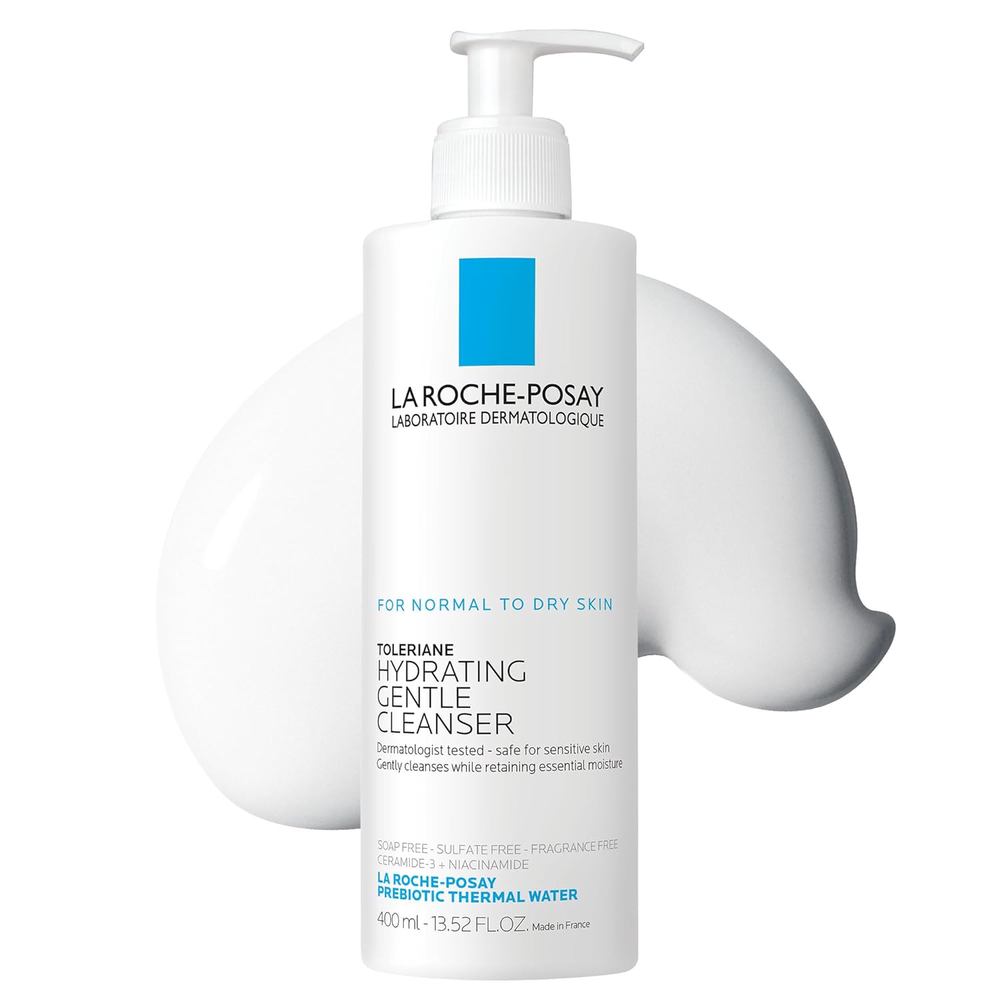
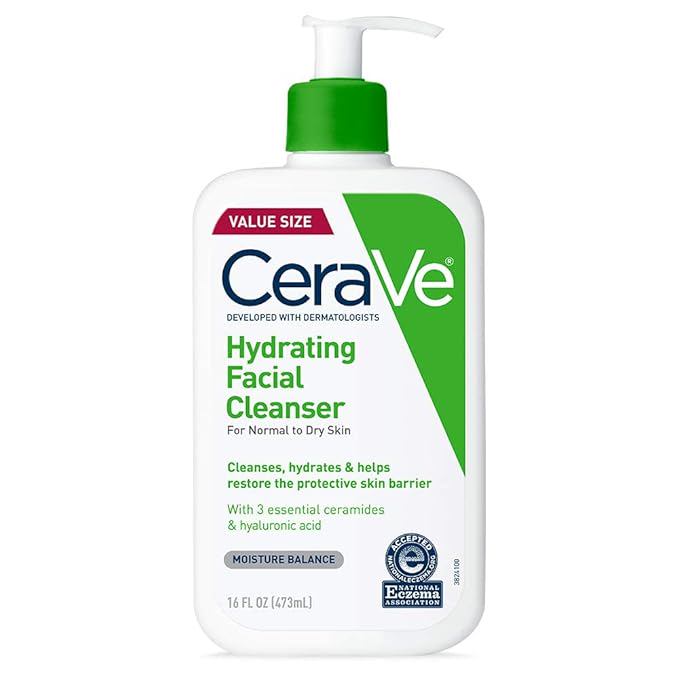
If you notice that your T-zone stays balanced or slightly dewy after cleansing but your cheeks complain, it is time to switch to a gentle, non-stripping cleanser — ideally a cream, milk, or low-foam formula — and reserve any strong exfoliating acids only for the T-zone.
Sign 2: Your moisturizer feels wrong on different parts of your face
Another telling sign is that no single moisturizer seems to work everywhere. A lightweight gel might hydrate your T-zone beautifully without adding shine, but your cheeks feel undernourished and look matte within an hour. Conversely, a richer cream plumps your cheeks and makes them glow, but your forehead and nose look greasy by late morning.
This mismatch happens because combination skin has two distinct needs in the same face. The T-zone may actually be normal-to-oily, while the cheeks and possibly the jawline are normal-to-dry. Instead of fighting your skin, try what many derms call zone-targeting: apply a lighter, oil-free hydrator on your T-zone and a richer, ceramide- or lipid-rich formula on your cheeks and any dry patches. A few minutes of this tailored layering can bring peace to both regions.
A simple check: after washing and waiting 30 minutes without any product, look in the mirror. If your T-zone has visible shine but your cheeks feel tight or look matte, you likely have combination skin, not purely oily skin.
How to adjust your routine for combination skin
Once you identify the pattern, the goal is not to eliminate oil everywhere or to drown your whole face in moisture. Instead, aim for balance. Here is a practical framework:
- Cleanse gently. Use a non-foaming, pH-balanced cleanser that does not leave any part of your face feeling tight. Avoid sulfates and harsh detergents.
- Exfoliate selectively. Instead of scrubbing your whole face, apply a mild chemical exfoliant (like a 2% salicylic acid or a low-percentage lactic acid) only on the T-zone, up to three times a week. Skip the cheeks unless they are congested.
- Moisturize with intent. Keep two moisturizers on hand — a gel or water-based formula for the center of your face and a cream or balm for the outer zones. Sheet masks can be placed only on dry areas if needed.
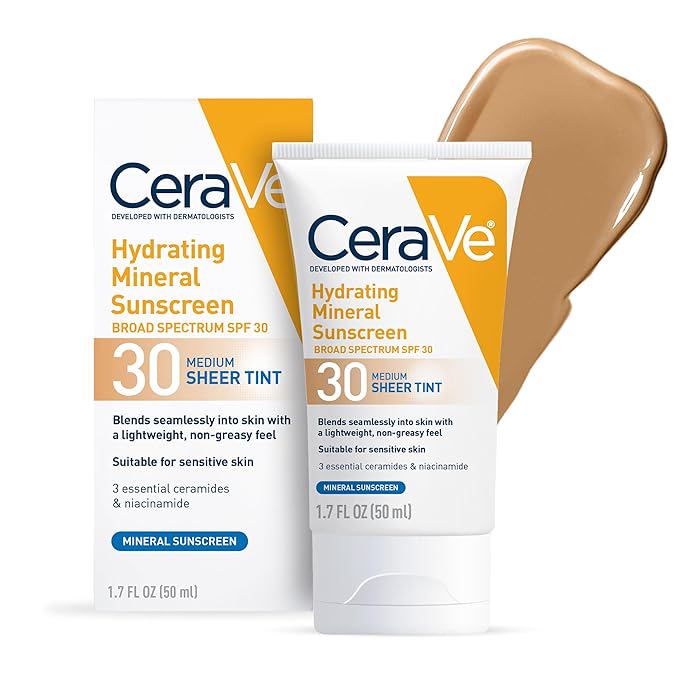
- Use a balanced sunscreen. Many sunscreens are designed for all skin types; a zinc-based or lightweight hybrid that dries down to a natural finish works well for combination skin. Avoid heavy, greasy sunscreens on the T-zone.
When to consult a professional
If you have tried adjusting your products and still experience persistent redness, breakouts only on the cheeks, or extreme dryness that doesn't respond to a richer moisturizer, it may be worth seeing a board-certified dermatologist. They can rule out conditions such as seborrheic dermatitis, rosacea, or perioral dermatitis, which can mimic combination skin but require different treatment. A professional can also help you select active ingredients (like niacinamide or azelaic acid) that can help normalize both oiliness and dryness without irritation.
Combination skin is incredibly common, yet it is one of the most misunderstood types. The moment you stop treating your entire face as either oily or dry and start respecting its different zones, your skin will thank you with a more comfortable, balanced, and less reactive complexion. Pay attention to those two warning signs — a tight-feeling cheek after cleansing and a moisturizer that works on only half your face — and you will know for sure.