
If you have combination skin, you know the balancing act well: an oily T-zone paired with dry cheeks, and the constant search for products (and foods) that won't upset either side. While your skincare routine matters, what you eat plays a surprising role in how your skin behaves.
Dermatologists point to six foods that can help calm inflammation, regulate oil production, and support hydration—all without making one part of your face revolt against the other.
Why Diet Matters for Combination Skin
Combination skin isn't a single condition; it's two skin types living on one face. The oily zones are often prone to clogged pores and shine, while the dry patches can feel tight and flaky. The foods you eat influence both sebum production and your skin's moisture barrier. The right choices can help bring those two extremes closer to balance.
The 6 Foods Dermatologists Recommend
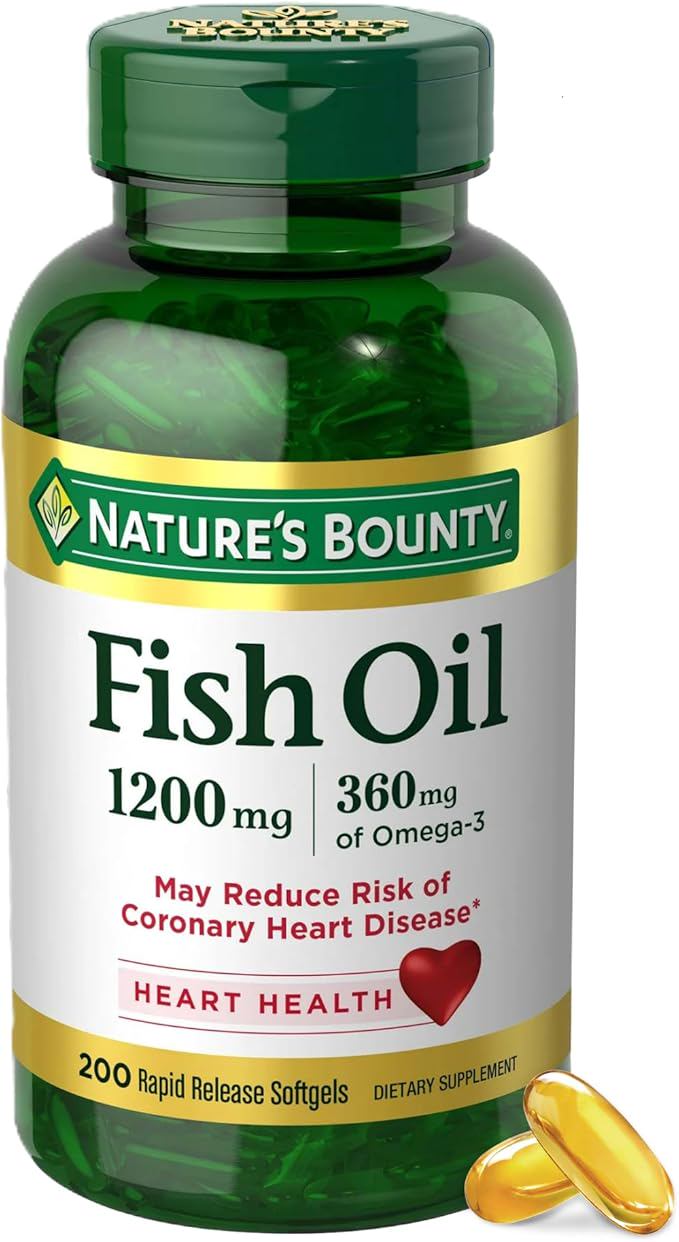
Fatty Fish for Omega-3s
Salmon, mackerel, and sardines are rich in omega-3 fatty acids. These healthy fats help regulate oil production and reduce inflammation, which benefits both oily and dry areas. For the oily zones, omega-3s can calm overactive sebaceous glands. For dry patches, they support the skin's lipid barrier, locking in moisture where it's needed.
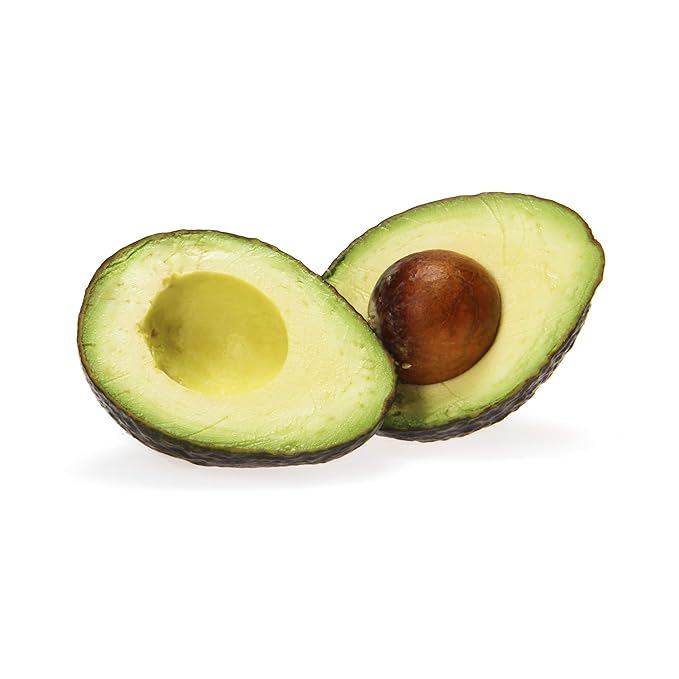
Avocados for Healthy Fats and Vitamin E
Avocados deliver monounsaturated fats and vitamin E, a potent antioxidant. These nutrients help maintain skin elasticity and hydration without triggering excess oil. The healthy fats in avocados support the skin's natural moisture barrier, making them ideal for combination skin that needs hydration without heaviness.
Sweet Potatoes for Beta-Carotene
Sweet potatoes are packed with beta-carotene, which your body converts to vitamin A. This nutrient supports healthy skin cell turnover, helping to keep pores clear in oily areas while also supporting healing in dry patches. Vitamin A also helps regulate sebum production, making it a balancing nutrient for combination skin.
Green Tea for Antioxidants
Green tea is rich in polyphenols called catechins, which have anti-inflammatory and antioxidant properties. Drinking green tea regularly can help reduce redness and calm irritated skin. Its anti-inflammatory effects are particularly helpful for the dry, sensitive areas of combination skin, while its mild astringent properties can help manage shine in oily zones.
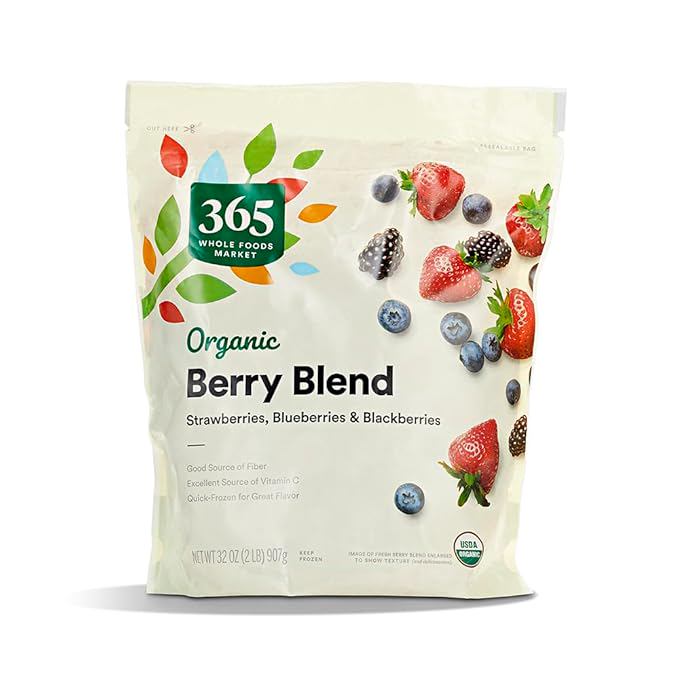
Berries for Vitamin C and Antioxidants
Blueberries, strawberries, and raspberries are loaded with vitamin C and other antioxidants. Vitamin C supports collagen production, which keeps skin firm and resilient across all zones. The antioxidants protect skin cells from environmental damage that can worsen both oiliness and dryness. Berries also have a low glycemic index, meaning they won't spike blood sugar—a common trigger for breakouts in oily areas.
Leafy Greens for Zinc and Vitamin A
Spinach, kale, and Swiss chard provide zinc, which helps regulate oil production and has anti-inflammatory properties. Zinc is especially helpful for the oily, acne-prone parts of combination skin. Leafy greens also deliver vitamin A and iron, both of which support healthy skin cell function and help maintain a balanced complexion.
How to Incorporate These Foods
You don't need an overhaul—just small, consistent additions. Add a serving of fatty fish twice a week. Toss a handful of spinach into your morning smoothie. Snack on berries instead of sugary treats. Swap your afternoon coffee for green tea a few times a week. These simple changes can gradually shift your skin toward a more balanced state.
Tip: Aim for variety rather than perfection. Eating a rainbow of whole foods naturally provides the nutrients your skin needs—no need to obsess over any single food.
What to Keep in Mind
Foods work slowly, so give your skin time to respond. Consistency matters more than quantity. Also, pay attention to how your skin reacts to different foods—everyone's combination skin is unique. If you notice breakouts or irritation after eating certain foods, adjust accordingly.
A balanced diet supports balanced skin, but it's not a substitute for a good skincare routine tailored to combination skin. Pair these dietary changes with gentle cleansing, appropriate moisturizing, and sun protection for the best results.