
Combination skin can be a riddle. You might have an oily T-zone that glazes over by midday, yet tight, flaky patches around your cheeks or jawline. The instinct is often to strip the oil with harsh cleansers, but that only leaves the dry areas angrier. Conversely, slathering rich creams everywhere can clog the zones that don't need them. The trick isn't choosing one treatment—it's about daily habits that meet both needs without overcorrecting.
Below are five consistent, gentle habits that help balance combination skin. These focus on maintaining a healthy barrier, regulating oil, and providing targeted hydration where it's needed most.
1. Use a Double-Cleanse (Only Once a Day)
Double-cleansing sounds labor-intensive, but for combination skin it's a targeted approach rather than a full routine twice daily. At night, start with an oil-based cleanser to dissolve sunscreen, makeup, and excess sebum from your T-zone without stripping the drier cheek areas. Follow with a gentle, creamy or gel water-based cleanser. In the morning, skip the oil step—just rinse with lukewarm water or use the mild gel cleanser. This prevents the dry regions from losing their natural moisture while keeping the oily zones clear.
2. Zone-Specific Moisturizing
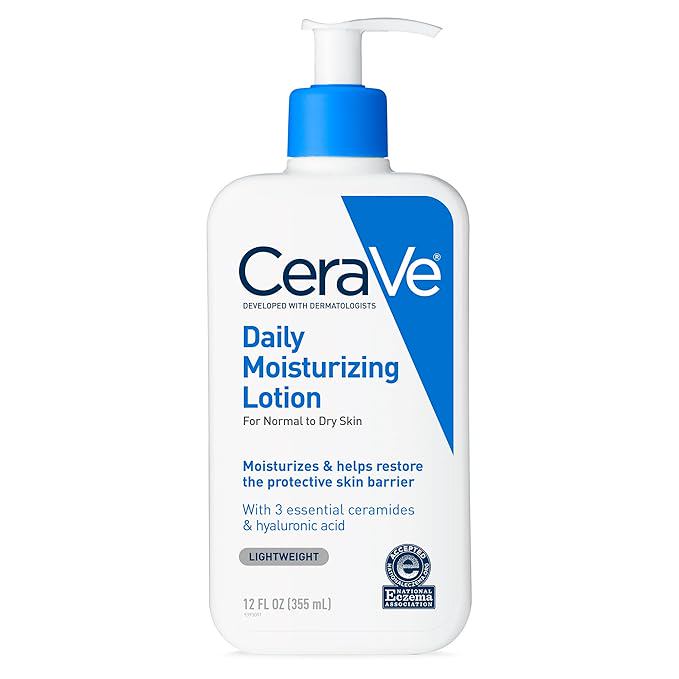
One cream for the entire face rarely works for combination skin. Instead, use two textures or adjust the amount per zone. On your forehead, nose, and chin, apply a lightweight, water-based gel moisturizer that hydrates without adding grease. On your cheeks and any dry patches, use a richer cream or a thin layer of a barrier-repair balm. A simple rule: a pea-sized gel for the center, a half-pea of cream for the sides. This method delivers exactly what each area needs without overwhelming the other.
3. Strategic Exfoliation (Not Daily, Not Harsh)
Exfoliation is important for both oil control and smoothing dry flakes, but overdoing it breaks the barrier. Limit exfoliation to two or three times a week using a gentle chemical exfoliant rather than gritty scrubs. Look for a product with lactic acid or a low concentration of salicylic acid (beta hydroxy acid). Apply it only to the areas that need it—the nose, chin, and forehead—avoiding the dry cheek zones. This removes congestion without inflaming already tight areas.
4. Layer Water-Based Hydration Before Emollients
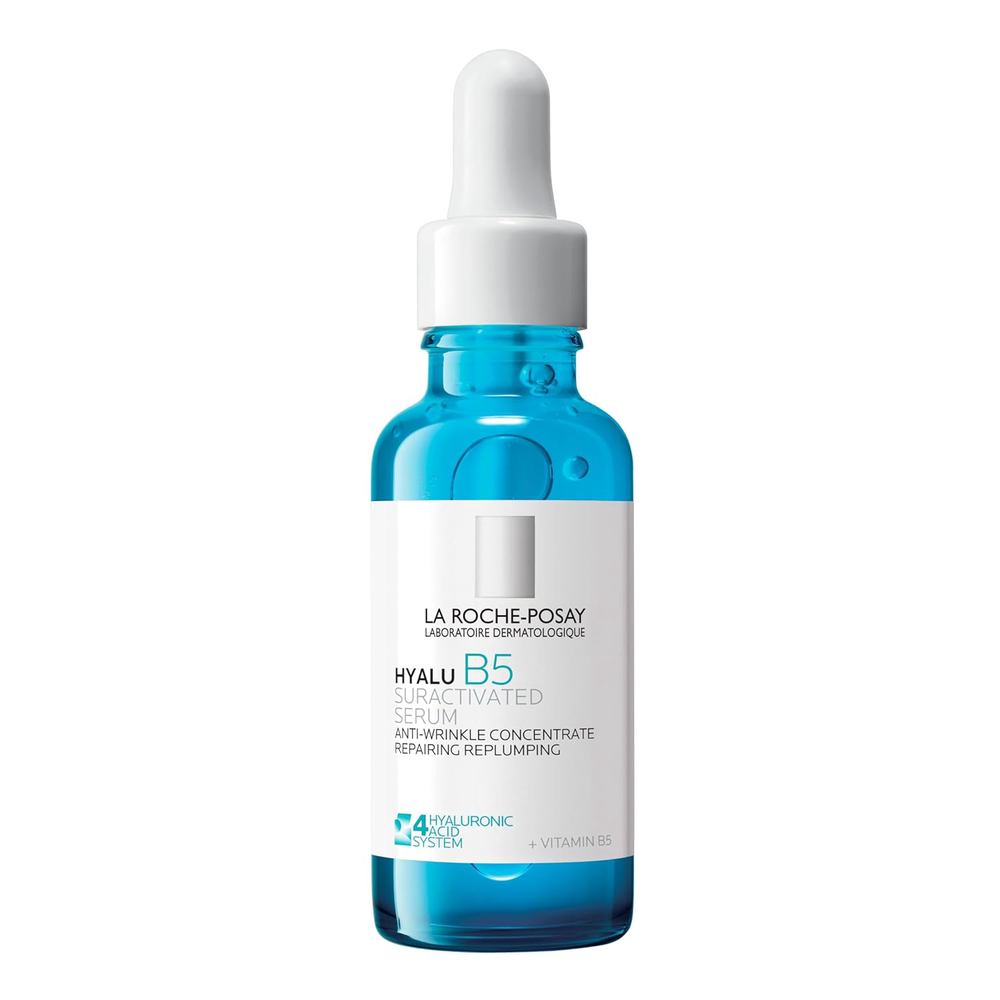
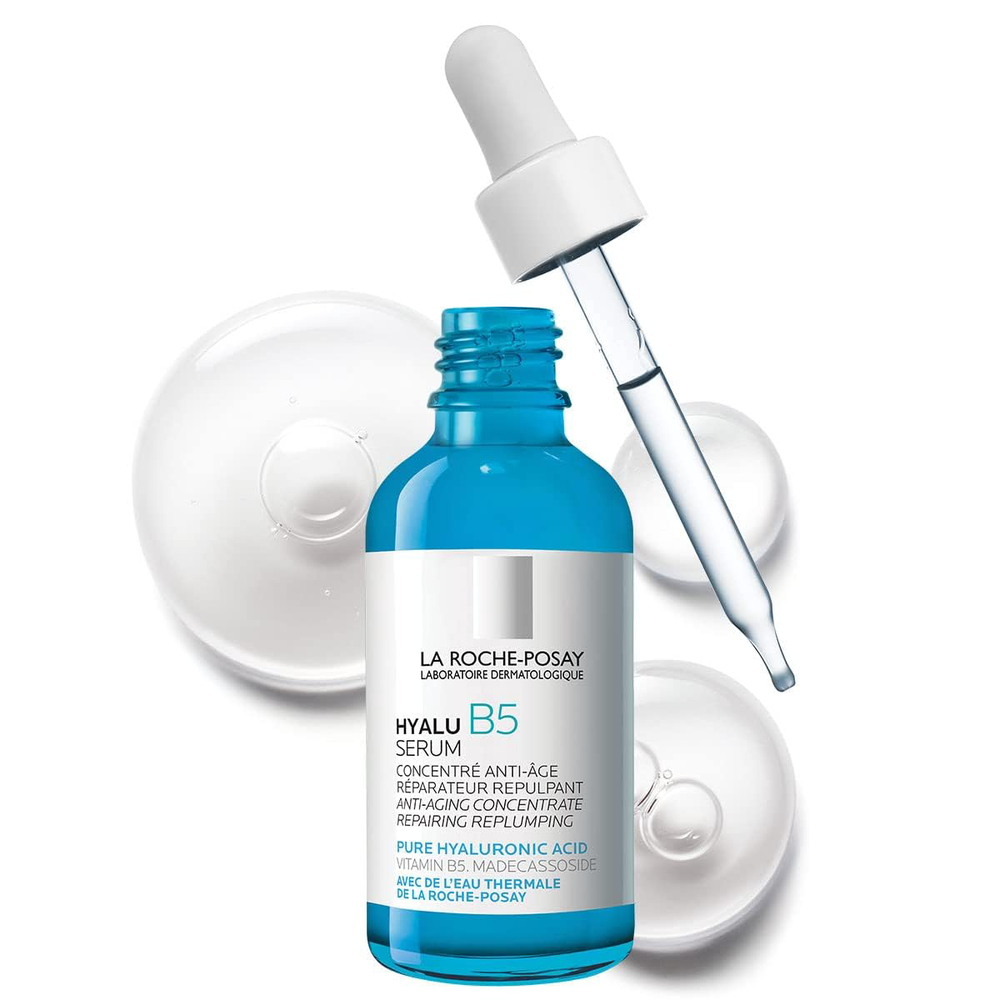
Combination skin often lacks consistent water content. A smart daily habit is to apply a hydrating toner or essence (with ingredients like glycerin, hyaluronic acid, or panthenol) to damp skin right after cleansing. This boosts hydration across the entire face without adding oil. Then, while the face is still slightly damp, apply your zone-specific moisturizer. This light layer acts like a sponge, drawing water into the skin and helping heavier creams seal it in only where needed.
5. A Consistent, Minimal Ingredient Strategy
Dozens of active products can confuse combination skin and trigger irritation. Pick one or two multitasking essentials: a gentle serum with niacinamide (helps regulate oil and soothe dryness) and a non-comedogenic sunscreen for daylight. Remove extra steps like multiple acids or retinol on the same night until you see how your skin reacts. Consistency with a few key ingredients builds a resilient barrier over time, reducing sudden oiliness and persistent dry spots.
Quick tip: Always introduce one new product at a time and wait at least a week before adding another. This lets you spot what works for your unique combination pattern and what triggers a breakout or tightness.
The main shift with combination skin is to treat your face as two climates. By adjusting how you cleanse, moisturize, exfoliate, and layer hydration, you can support both zones without playing tug-of-war. Patience matters more than perfection—most people see a noticeable balance after about two weeks of these habits.