If you have combination skin, you know the balancing act: an oily T-zone with dry patches elsewhere, and finding the right routine can feel like a puzzle. While skincare products help, what you eat in the morning can also play a big role. Dietitians point to four breakfast foods that may help calm oiliness, hydrate dry areas, and support a more even complexion.
What makes breakfast important for combination skin?
Your skin reflects what’s happening inside your body. After a night of fasting, breakfast sets the stage for your blood sugar, hydration levels, and inflammation response—all of which can affect how your skin behaves. A morning meal with the right nutrients can help regulate sebum production and provide the building blocks for a healthy skin barrier.
These four foods are backed by dietitians and research for their skin-supporting properties, and they’re simple to add to your morning routine.
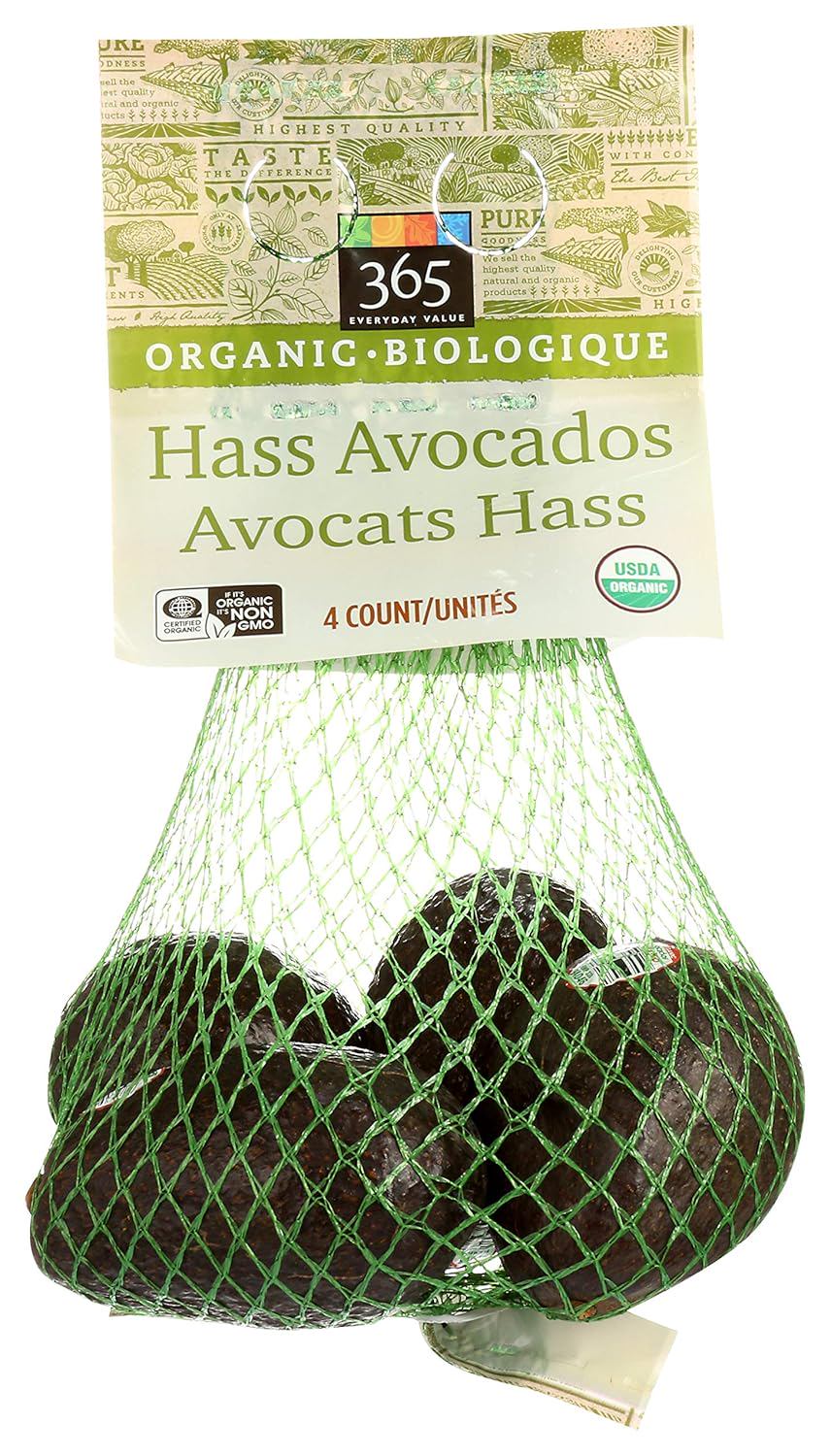
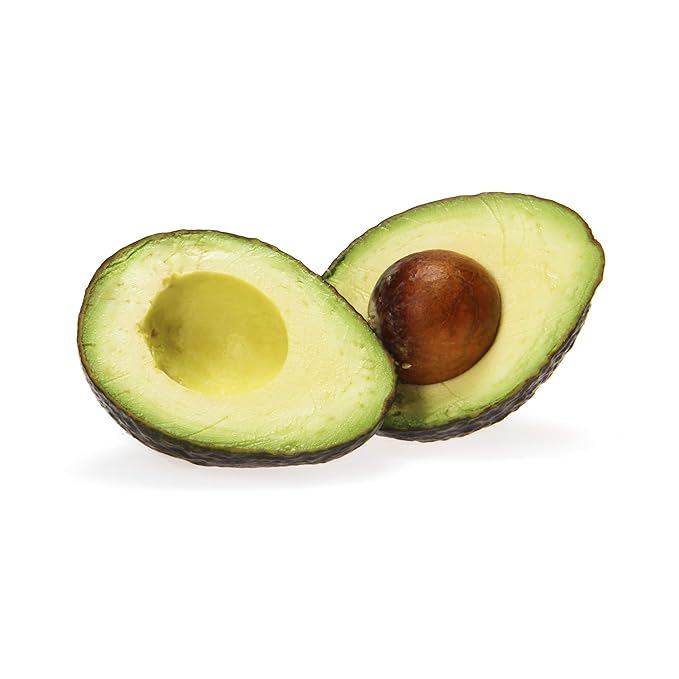
1. Avocado
Avocado is rich in healthy monounsaturated fats and vitamin E, both of which support skin hydration from the inside out. For combination skin, it’s especially helpful because it provides moisture without triggering excess oil. The antioxidants in avocado, including lutein, may also protect skin from oxidative stress that can worsen uneven texture.
Tip: Mash half an avocado on whole-grain toast, or blend it into a smoothie for a creamy, skin-friendly breakfast.
2. Berries
Blueberries, strawberries, and raspberries are packed with vitamin C and anthocyanins, compounds that help fight inflammation—a common driver of breakouts and redness in combination skin. Vitamin C also supports collagen production, which keeps skin firm and resilient. Because berries have a low glycemic index, they won’t spike blood sugar and trigger excess oil production the way sugary cereals or pastries might.
Try adding a handful to oatmeal, yogurt, or a simple smoothie bowl.
3. Greek yogurt
Greek yogurt is a good source of protein and probiotics. Protein provides amino acids that help repair skin cells, while probiotics may support a balanced gut microbiome—and a healthy gut is linked to clearer skin. Some research suggests that probiotics can reduce inflammation and improve the skin’s barrier function, which is key for managing both dry and oily zones.
Choose plain, unsweetened Greek yogurt and top it with berries for a double dose of skin-friendly nutrients.
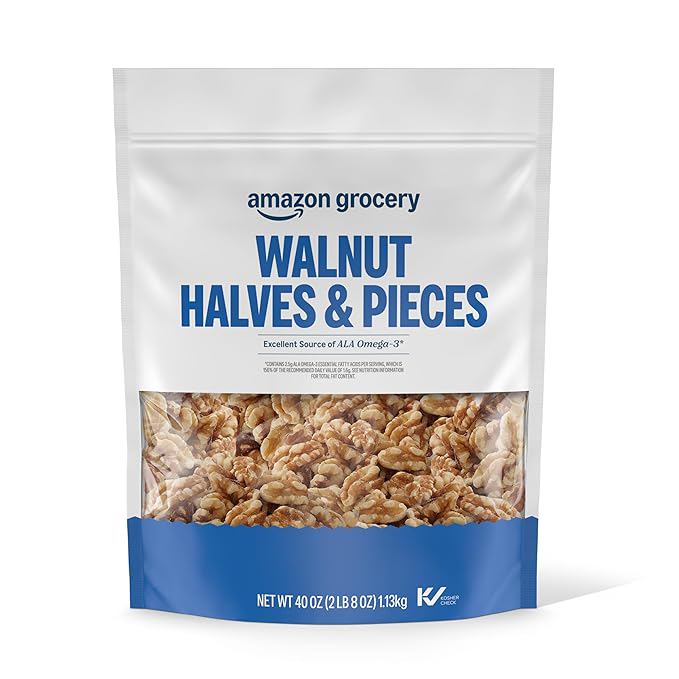
4. Walnuts
Walnuts are one of the best plant sources of omega-3 fatty acids, which are known to reduce inflammation and help regulate oil production. They also contain zinc, a mineral that supports wound healing and may help control acne. A small handful of walnuts can add crunch to your breakfast without overloading on sugar or refined carbs.
Consider chopping them into oatmeal, sprinkling over yogurt, or blending into a smoothie.
How to build a combination-skin-friendly breakfast
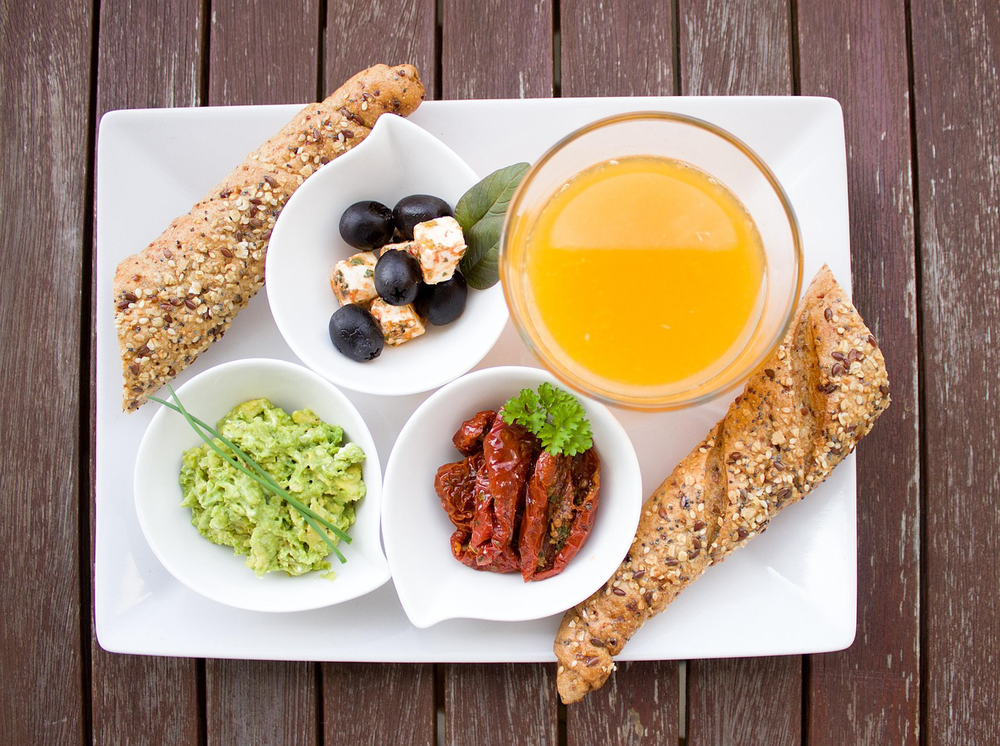
You don’t need to eat all four at once. Pick one or two each morning and combine them with other whole foods. For example:
- Avocado toast with a side of berries
- Greek yogurt parfait with walnuts and strawberries
- Smoothie with spinach, half an avocado, handful of berries, and a tablespoon of walnuts
Pair these with water or herbal tea, and try to avoid sugary drinks or pastries that can cause blood sugar spikes and worsen oiliness.
What about other skin types?
While these foods are especially beneficial for combination skin, they’re also good for dry, oily, or sensitive skin due to their anti-inflammatory and hydrating properties. The key is consistency—your skin won’t change overnight, but regular intake of these nutrients can support long-term clarity and balance.