
Combination skin can feel like a constant balancing act. You might have an oily T-zone—forehead, nose, and chin—while your cheeks feel dry or even flaky. It’s tempting to treat each area separately, but certain everyday habits can throw your skin even further out of whack. Here are three routine mistakes that often make combination skin harder to manage, along with practical, dermatologist-backed ways to correct them.
Mistake 1: Using the Wrong Cleanser for the Whole Face
One of the most common missteps is washing your entire face with a single cleanser that’s either too stripping or too rich. Harsh foaming cleansers can over-dry the cheeks, while creamy, oil-based cleansers can clog pores in the T-zone. The result? One part of your face feels tight and irritated, while the other looks shiny or congested.
What to do instead: Consider a gentle, pH-balanced gel or lotion cleanser that’s formulated for combination skin. If you want to be more targeted, you can use a slightly more clarifying cleanser on your T-zone and a hydrating milk cleanser on your cheeks. The key is to avoid extreme formulas—skip anything with high alcohol content or heavy oils that could worsen imbalance.
Mistake 2: Skipping Moisturizer on Oily Areas
It sounds logical: if your forehead and nose are greasy, why add more moisture? But skipping moisturizer entirely can actually backfire. When skin feels dry or dehydrated, it sometimes ramps up oil production to compensate—making the T-zone even oilier. Dry areas, meanwhile, become flaky and uncomfortable.
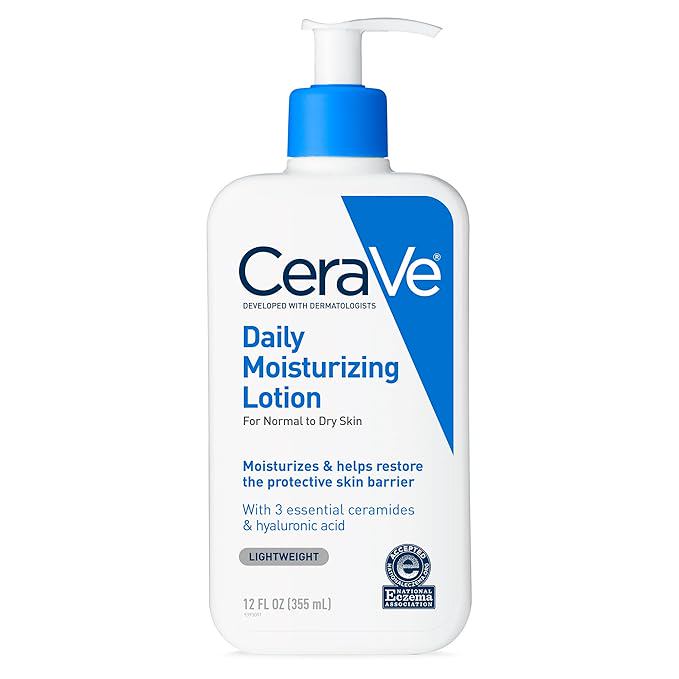
Tip: A lightweight, oil-free moisturizer works well for the whole face. Apply a thin layer all over, then add a richer balm or cream to the dry patches if needed. This way, you hydrate without overwhelming oily zones.
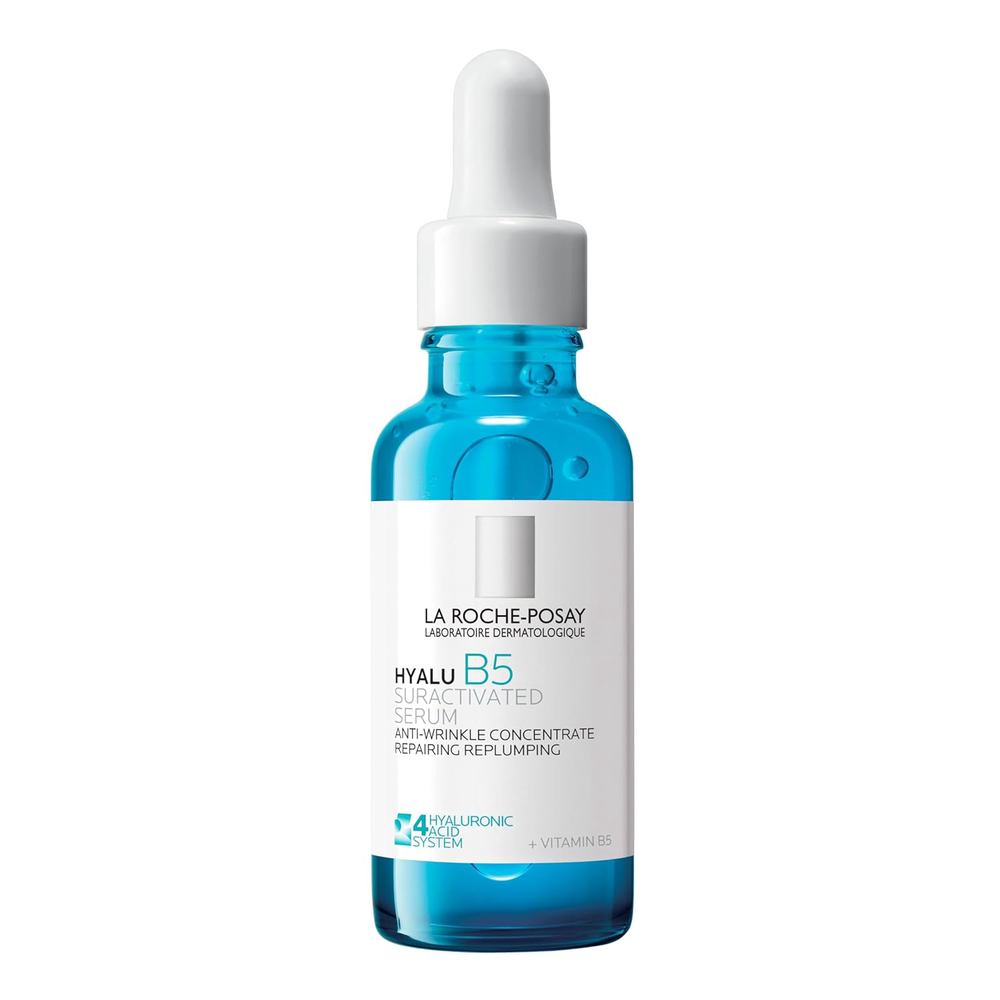
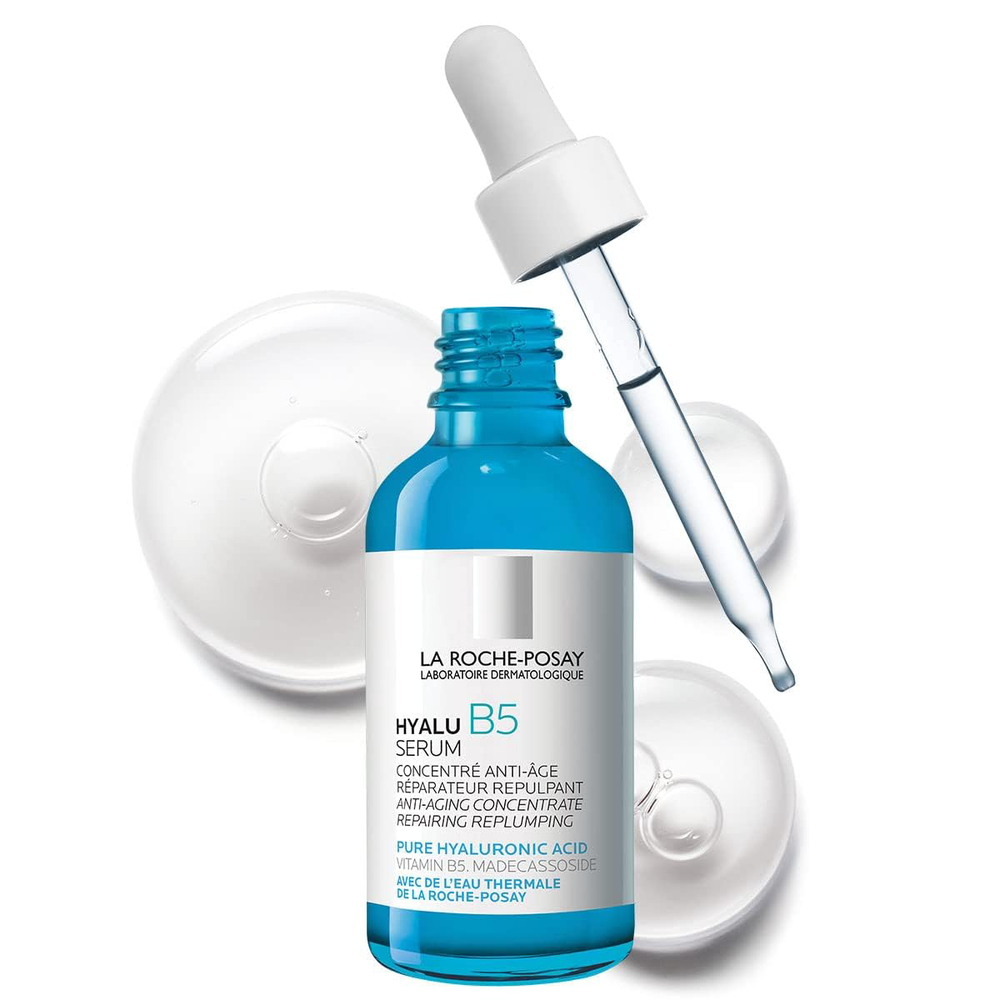
Look for ingredients like hyaluronic acid, glycerin, or niacinamide—they provide hydration without a heavy feel. Avoid thick butters or petrolatum-based products on the T-zone unless your skin is particularly dry there.
Mistake 3: Over-Exfoliating or Using Harsh Scrubs
When you have combination skin, it’s easy to think that scrubbing away oil and flakes will even everything out. But aggressive exfoliation—especially with gritty physical scrubs—can disrupt the skin barrier. This often leads to redness, irritation, and more oiliness as the skin tries to protect itself. Dry areas may become even more sensitive.
What to do instead: Stick to gentle chemical exfoliants like salicylic acid or lactic acid, used no more than two to three times a week. Focus the exfoliant on the T-zone and avoid the drier cheeks unless they really need it. Always follow with a soothing moisturizer. If you prefer a physical exfoliant, choose one with very fine, round granules and use it only once a week at most.
Building a Balanced Routine for Combination Skin
The goal isn’t to treat your face as two separate islands—it’s to find products and habits that work for the whole. A streamlined routine often looks like this:
- Cleanse with a gentle, non-stripping product
- Moisturize with a lightweight formula, adjusting richness only on dry areas
- Exfoliate sparingly and gently, focusing on areas that need it most
- Protect with a broad-spectrum sunscreen every morning (oil-free if you're prone to shine)
Consistency matters more than perfection. It can take a few weeks for your skin to adjust to a new routine, so give it time. If you notice persistent redness, breakouts, or discomfort, a board-certified dermatologist can help you fine-tune your approach.