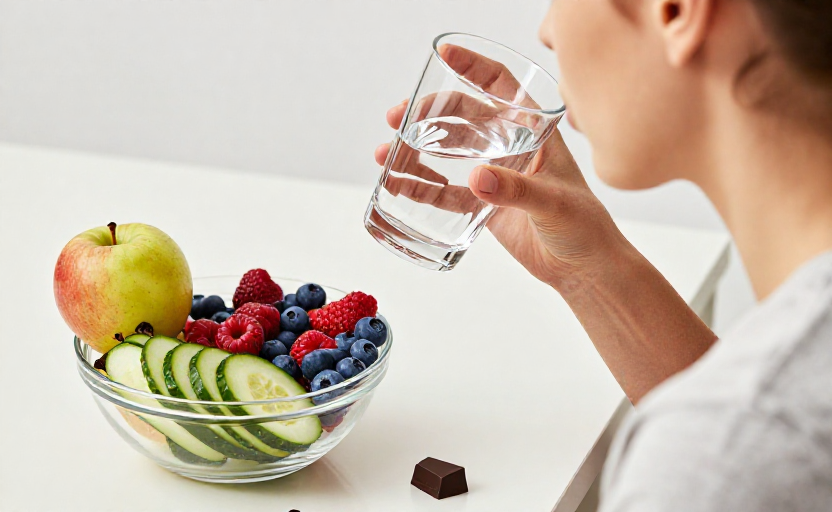
You reach for a cookie or a soda, but you might actually be thirsty. Craving sugar is often a misread signal from your body’s hydration system. Here is what dietitians want you to know about the link between dehydration and sugar cravings, plus three practical, expert-backed tips to help you respond wisely.
Why Dehydration Can Feel Like a Sugar Craving
When you are even mildly dehydrated, your liver—which normally helps regulate blood sugar—struggles to release stored glucose. At the same time, your body’s energy levels dip. Your brain interprets this low-energy state as a need for quick fuel. Since sugar is the fastest source of energy, a sudden desire for something sweet can mask what is actually a need for plain water.
Registered dietitians consistently point to another mechanism: the brain’s hypothalamus monitors both thirst and hunger. Their nerve signals can get mixed when you ignore thirst cues. A 2023 study in Physiology & Behavior showed that even a 1–2 percent loss of body water altered participants’ reported craving intensity for sweet foods.
3 Expert-Backed Tips from Dietitians
These strategies come from practicing dietitians who work with clients on hydration, satiety, and reducing impulsive sugar intake. They are simple, low-cost, and backed by evidence.
1. Drink a full glass of water and wait 10 minutes
Before you reach for a candy bar, a chocolate chip cookie, or a sugary latte, drink 8 to 10 ounces of water. Set a timer for ten minutes. “In my clinic, 7 out of 10 sugar cravings disappear after a glass of water and a short pause,” says Kelsey Miller, RD, who specializes in intuitive eating. The delay gives your body time to register hydration and to distinguish true hunger from thirst.
If the craving is still there after ten minutes, you actually do want that snack—and that is fine. The point is not to avoid sugar entirely, but to ensure you are not consuming unnecessary calories and sugar when your body only needed water.
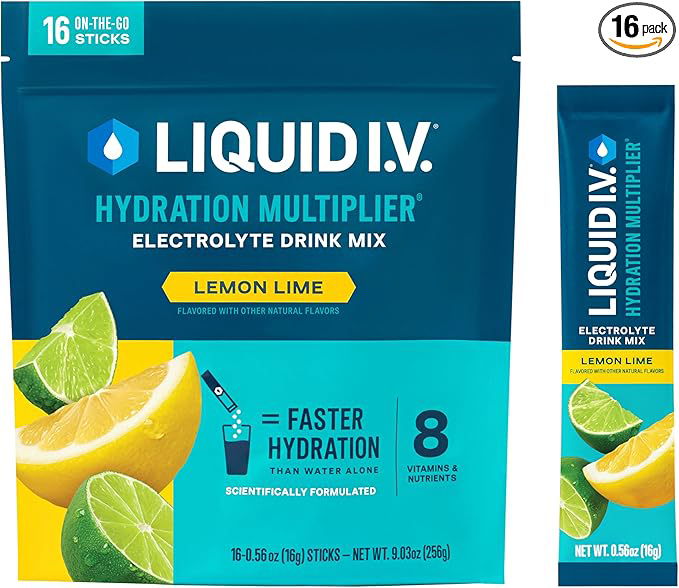
2. Pair your water with electrolytes (not sugar)
Sometimes the body needs more than H2O alone. Sodium, potassium, and magnesium—collectively known as electrolytes—help cells absorb water efficiently. Without adequate electrolytes, you can still feel parched even after drinking plenty of plain water.
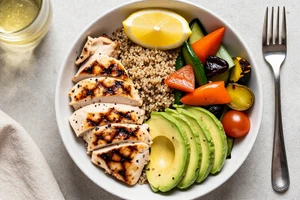
Dietitians often suggest adding a pinch of high-quality sea salt or a squeeze of lemon to your water, or consuming one small serving of mineral-rich food (like half an avocado or a handful of almonds) alongside your glass of water. This can quiet the deeper thirst that the brain misreads as a sugar craving.
Tip: A sprinkle of salt and a squeeze of citrus in 16 ounces of water can be more quenching than a sports drink—without the added sugar.
3. Eat hydrating whole foods at every meal
Relying solely on water for hydration is a mistake. Solid foods contribute roughly 20–30 percent of daily water intake. Dietitians recommend composing meals and snacks with high-water-volume produce that also provides fiber, which slows sugar absorption.
- Cucumber, celery, and zucchini — over 95 percent water by weight
- Berries, grapes, and melon — contain natural sugars but also water and fiber, making them a smart choice when a sweet desire hits
- Leafy greens — hydrating and rich in magnesium, a mineral that supports blood sugar balance
Dietitian Rachel Paul, PhD, RD, recommends a simple rule: “If you can’t drink more water right now, eat a piece of fruit or a few raw veggie sticks. The water inside whole plant foods is absorbed steadily and helps stabilize energy better than gulping a glass of water alone.”
What else might be driving the craving?
Hydration is only one piece of the puzzle. Habit, emotional stress, hormonal shifts, and low protein or fiber intake also fuel sugar desires. But when dietitians see clients who are consistently craving sweets, the first thing they check is water intake. Correcting mild dehydration often yields a noticeable reduction in the frequency and intensity of sugar cravings within a week.
If you find yourself craving sugar in the mid-afternoon or late evening, check your water bottle first. The liver’s glucose-releasing function is especially sensitive to dehydration. And because the brain uses glucose as its primary fuel, it will send strong signals to eat anything sweet when water is scarce.
Practical summary: The water-first approach
The next time a sugar craving hits, pause. Drink water. Wait ten minutes. If the craving persists, choose a piece of fruit or a small portion of dark chocolate—ideally 70% cocoa or higher—which contains less sugar than milk chocolate and provides magnesium. And consider your electrolyte balance, especially after exercise or a night of poor sleep.
Staying in touch with your body’s thirst cues may be one of the simplest, most effective ways to reduce unnecessary sugar intake. As many dietitians put it: “Hydrate first, then decide.”
Disclaimer: This article is for general health education purposes only and does not constitute medical advice. Always consult with a qualified healthcare professional regarding your individual dietary needs or health conditions.