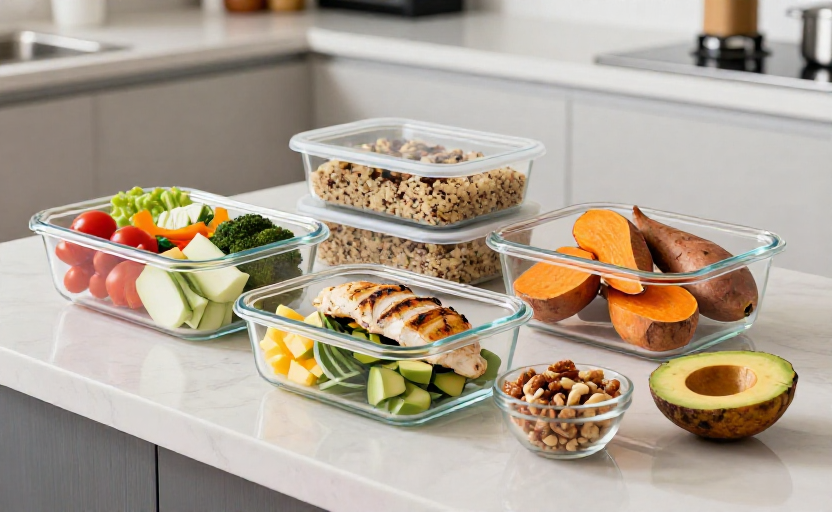
Struggling to stay consistent with your weight loss goals often comes down to one thing: what happens when hunger strikes and there's nothing healthy ready. That's where strategic meal prep can change everything. But not all meal prep is created equal. Dietitians who work with weight loss clients every day have a specific approach that goes beyond just chopping vegetables on Sunday.
The difference between meal prep that works and meal prep that fizzles out lies in a few key principles: balance, satiety, and flexibility. When done right, it's not about restrictive containers of bland food. It's about building a system that makes the nourishing choice the easy choice, meal after meal.
Why meal prep matters for steady weight loss
Weight loss that lasts rarely comes from willpower alone. It comes from environment design. When you have pre-portioned, nutrient-dense meals ready, you bypass the decision fatigue that often leads to takeout or processed snacks. Dietitians emphasize that meal prep helps regulate portion sizes without making you feel deprived, and it keeps blood sugar stable throughout the day, which reduces cravings.
Consistent prep also helps you avoid the all-or-nothing trap. You don't need to cook every single meal for a week. Even prepping three lunches and a few snack components can be enough to keep you on track.
The dietitian's formula for a balanced prep
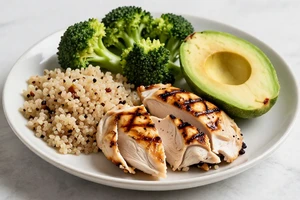
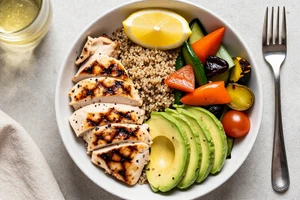
Dietitians look for three components in every main meal: lean protein, fiber-rich carbohydrates, and healthy fats. This combination supports satiety and steady energy. Protein, such as chicken breast, tofu, or Greek yogurt, helps preserve muscle mass during weight loss. Fiber from vegetables, legumes, or whole grains slows digestion and keeps you full. Healthy fats, like avocado or olive oil, add flavor and help absorb fat-soluble vitamins.
- Protein: grilled chicken, turkey, fish, eggs, lentils, or edamame
- Fiber-rich carbs: quinoa, brown rice, sweet potatoes, or leafy greens
- Healthy fats: olive oil, nuts, seeds, or a slice of avocado
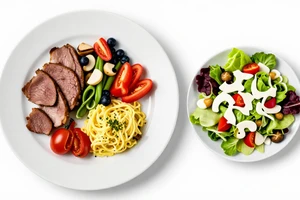
Registered dietitian Abby Langer often suggests thinking of your plate as half vegetables, a quarter protein, and a quarter whole grain or starch. This visual shortcut makes prep simple without needing a scale.
Rethinking meal prep: component prep vs. full meals
A common misconception is that meal prep means fully assembled meals in containers. But many dietitians recommend a component prep approach. Instead of making five identical chicken-and-rice bowls, you prep individual ingredients that can be mixed and matched throughout the week.
For example, cook a batch of quinoa, roast a tray of broccoli and bell peppers, grill a few chicken breasts, and hard-boil half a dozen eggs. During the week, you can combine these into different meals — a quinoa bowl with chicken and veggies, a salad with egg and roasted vegetables, or even a quick stir-fry if you have a sauce on hand. This prevents boredom, which is the number one reason people abandon meal prep.
Portion control without deprivation
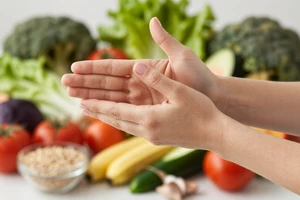
Steady weight loss requires a calorie deficit, but that doesn't mean tiny portions. Dietitians advise using visual cues rather than strict measuring. A serving of protein is roughly the size of your palm, a serving of grains is about the size of your fist, and fats are about the size of your thumb. Pre-portioning snacks like nuts or cheese into small bags prevents mindless eating while still allowing treats.
Another tip: keep a few pre-portioned indulgences in your meal prep rotation, like a small square of dark chocolate or a single-serve bag of air-popped popcorn. Feeling restricted backfires. Planned treats keep you consistent long-term.
What to include in a weight loss meal prep grocery list
Dietitians recommend a flexible list that covers all the bases without being overwhelming. A well-stocked pantry and fridge make prep feel doable, even on busy weeks.
- Proteins: chicken breast, canned tuna or salmon, lentils, eggs, plain Greek yogurt
- Vegetables: broccoli, bell peppers, spinach, carrots, cherry tomatoes
- Whole grains: quinoa, brown rice, oats, whole grain bread
- Healthy fats: olive oil, avocado, almonds, chia seeds
- Flavor boosters: lemon, garlic, herbs, vinegar, mustard
Start with what you actually like to eat. If you hate broccoli, don't buy it. Swap it for asparagus or zucchini. The best meal prep is the one you'll actually eat.
Sample one-day meal prep plan
Here's what a dietitian might recommend for a single day of prepped meals, aiming for around 1,500 to 1,700 calories (adjust based on your needs).
- Breakfast: overnight oats made with rolled oats, almond milk, chia seeds, and mixed berries — prepped in jars on Sunday
- Lunch: quinoa bowl with grilled chicken, roasted broccoli, cherry tomatoes, and a lemon-tahini dressing
- Snack: hard-boiled egg and an apple
- Dinner: baked salmon with roasted sweet potato and sautéed spinach
Notice that dinner is quick to assemble because the grains and veggies are prepped. The salmon cooks in about 12 minutes. That's the magic of component prep.
Common meal prep mistakes that sabotage weight loss
Even with good intentions, some meal prep habits can backfire. Dietitians point out a few frequent errors.
- Making everything from scratch: It's okay to use pre-washed greens, canned beans, or frozen vegetables. This saves time and reduces burnout.
- Being too strict: If you pack only salads and plain chicken, you'll rebel by day three. Include one more indulgent meal option, like a whole grain wrap with lean meat and cheese.
- Forgetting to plan for social eating: Meal prep doesn't mean you must eat only prepped food. Build in flexibility — prep four lunches instead of five, and allow one meal out.
- Ignoring flavor: Boring food leads to cravings. Use herbs, spices, citrus, and salsas liberally. A little heat from red pepper flakes or a dash of smoked paprika can transform a dish.
How to keep meal prep sustainable for months
The ultimate goal is not a perfect week of prep, but a habit that fits your life. Dietitians suggest starting small. Commit to prepping just one meal — lunch for three days — for two weeks. Once that feels automatic, add another meal or a snack.
Another strategy is to theme your prep to reduce decision fatigue. For example, Monday could be Mexican bowl day, Tuesday could be stir-fry day, and Wednesday could be soup and salad. Use similar ingredients across themes to keep shopping simple.
Lastly, invest in good storage containers that are microwave- and dishwasher-safe. Glass containers are preferred because they don't stain or hold odors. Having the right tools makes the process less of a chore.
When to adjust your meal prep
If you notice your weight loss stalling or you feel hungry all the time, your meal prep may need tweaking. Dietitians recommend increasing protein slightly or adding more non-starchy vegetables to bulk up meals without many extra calories. Sometimes increasing fat — adding a few slices of avocado or a tablespoon of nut butter — can improve satiety and break a plateau.
Pay attention to how you feel after meals. If you're still hungry within an hour, the meal may need more fiber or protein. If you feel sluggish, consider adding more complex carbohydrates earlier in the day.
Meal prep is a skill, and like any skill, it improves with practice. The dietitians' advice is clear: keep it simple, keep it flexible, and prioritize foods that make you feel good. Steady weight loss is not about perfection. It's about creating a system that works for you, one prep session at a time.