
You survived your first few weeks in the weight room. Your muscles are sore in new and interesting places, and you are learning the difference between a good pump and just being tired. Now comes a question that quietly stresses most beginners: What should I eat after this? The short answer is that food is not the enemy of your hard work—it is the reason your hard work actually pays off.
When you lift, you create microscopic tears in your muscle fibers. That soreness is a sign of stress, but repair is where strength happens. Without the right fuel, your body struggles to patch those tears, leaving you tired, achy, and prone to stalling. Dietitians who work with novice lifters emphasize a simple, non-intimidating approach: prioritize protein for repair, add carbohydrates to refuel, and time your meal within a practical window. There is no need for complicated powders or expensive shakes. Real food works just as well.
Why protein matters most for muscle repair
Protein provides the amino acids your body uses to rebuild broken-down muscle tissue. For a beginner lifter, the goal is to stimulate muscle protein synthesis, the biological process that repairs and strengthens your muscles after resistance training. Dietitians generally recommend consuming between 20 and 40 grams of high-quality protein within a few hours after lifting. That range covers most body sizes and intensities of training.
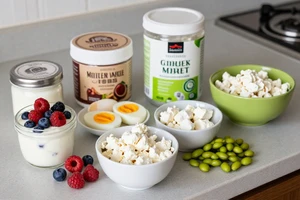
Good sources include chicken breast, lean beef, eggs, Greek yogurt, cottage cheese, tofu, and fish. If you are plant-based, lentils, chickpeas, seitan, and edamame also provide solid protein content. The key is completeness—animal proteins naturally contain all essential amino acids, while plant proteins may require combining sources such as rice and beans to achieve the same effect over the day. You do not need to combine them perfectly at every meal if your overall diet is varied.
"A protein source that you actually enjoy eating is infinitely better than the 'perfect' source you have to choke down. Consistency beats perfection every time." — registered dietitian working with recreational lifters
Carbohydrates are not your enemy
Many beginners worry that eating carbs after lifting will undo fat loss efforts, but that is a misunderstanding of how the body reprioritizes fuel after exercise. When you lift, your muscles deplete their stored glycogen—the primary energy source for short, intense efforts. Eating carbohydrates after training helps replenish that glycogen, reduces the stress hormone cortisol, and makes recovery feel faster.
Dietitians suggest pairing carbohydrates with protein in your post-workout meal. A classic example is a turkey sandwich on whole-grain bread with an apple, or a bowl of oatmeal with berries and a scoop of whey protein. The ratio does not need to be precise for the average person. Aim for roughly two parts carbs to one part protein by grams if you want a guideline, but simply including both in your meal is usually enough to support repair without overthinking it.
Fast-digesting vs. slow-digesting carbs
This distinction matters more for performance than for general health. Simple carbohydrates, such as white rice, potatoes, or fruit, digest quickly and can be useful within 30–60 minutes after training if you are hungry. Complex carbohydrates such as sweet potatoes, quinoa, or oats digest more slowly and provide sustained energy. For a beginner, either choice works. The most important variable is that you eat something, not that you time your glycemic index perfectly.
When to eat your post-workout meal
There is a common belief that you have exactly 30 minutes after lifting to eat or your gains are lost. That "anabolic window" is real but more flexible than internet lore suggests. Research shows that muscle protein synthesis remains elevated for up to 24 hours after resistance training, especially in beginners who are new to the stimulus. Eating a protein-rich meal within two to three hours after training is sufficient for most people.
If you train first thing in the morning on an empty stomach, you might benefit from eating sooner. If you train after lunch, your last meal may already cover your needs. Listen to your hunger cues. Forcing food when you are not hungry can cause digestive discomfort. If you are not hungry immediately after lifting, a smoothie with protein powder, banana, and milk can be easier to tolerate than a full plate of food.
Common mistakes beginners make
The biggest error dietitians see is skipping meals after training. Some beginners fear that eating will undo caloric deficits from their workout. Others are simply busy and forget. A consistent pattern of undereating after strength training leads to slower progress, increased fatigue, and a higher risk of injury because your connective tissues also need repair.
Another common misstep is relying exclusively on protein shakes and ignoring whole foods. Shakes are convenient and effective, but they do not provide the fiber, vitamins, and phytonutrients that whole foods offer. A diet built around vegetables, fruits, whole grains, and lean proteins supports overall health and performance better than one centered on supplements.
Finally, many beginners think they need to drastically increase their total calorie intake to see results. While gaining muscle requires a slight calorie surplus for some people, you can still gain strength and improve body composition while eating at maintenance if you are new to lifting. Read your body's signals. If you are losing weight too quickly, you may need to eat more. If you feel lethargic and your lifts are stalling, check your carbohydrate and protein intake before blaming your workout program.
Sample practical meals from a dietitian
To make this concrete, here are a few simple post-workout meals that meet the protein and carbohydrate needs of most beginner lifters:
- Three scrambled eggs with two slices of whole-wheat toast and a handful of spinach
- One cup of Greek yogurt topped with granola and mixed berries
- A 6-ounce grilled chicken breast with one cup of roasted sweet potatoes and steamed broccoli
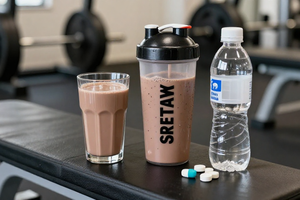
- A smoothie made with one scoop of protein powder, one banana, one tablespoon of peanut butter, and unsweetened almond milk
- Two cans of tuna mixed with mayonnaise on whole-grain crackers with an apple on the side
Notice that none of these require special equipment or exotic ingredients. You can prepare most of them in under ten minutes. The simplicity is intentional—dietitians know that beginners are more likely to stick with a routine if it does not demand extra kitchen skills or daily grocery runs.
If you are still feeling confused about portions, a useful rule of thumb is to make your post-workout plate look like a moderate lunch: a palm-sized portion of protein, a fist-sized portion of carbohydrates, and vegetables for volume. Adjust based on how you feel during your next session. Food is feedback. If you recover faster, you can train harder. That is the real benefit of eating well after lifting.