You know walking is good for you—that’s hardly breaking news. But what if the same steady forward motion you’ve been logging for months isn’t targeting all the places you want to tone? An easy shift in direction could change that. Lateral walking, or side-stepping, is a low-impact move that works your inner thighs, obliques, glutes, and lower back in ways regular walking doesn’t. And it’s simple enough to add to your routine today.
What is lateral walking?
In normal walking, you move forward, relying mostly on your hamstrings and calves. Lateral walking flips the script—you move side to side. That sideways motion forces your body to recruit muscles that often get neglected: the inner and outer thighs, the gluteus medius (the upper part of your glutes), and your obliques (the side abdominal muscles). For anyone trying to reduce stubborn fat pockets around the hips and inner thighs, this small change can make a big difference over time.
How to do lateral walking (with or without a band)
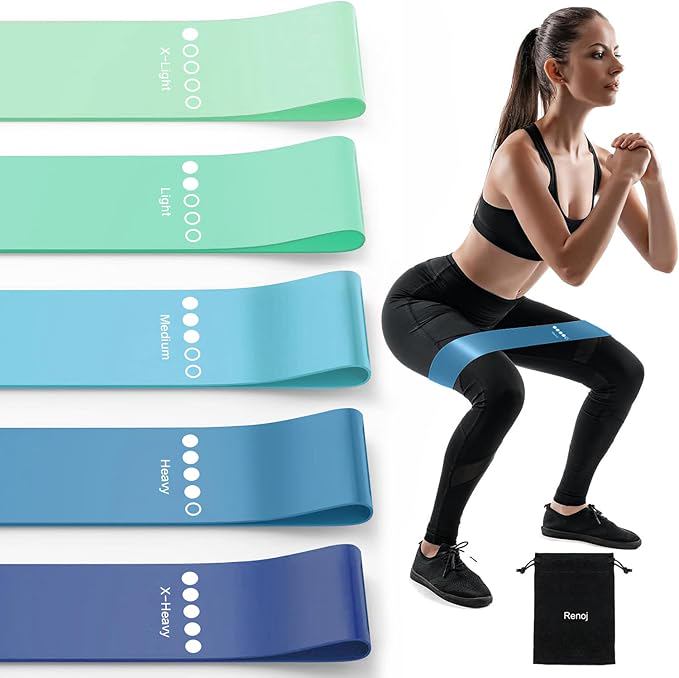
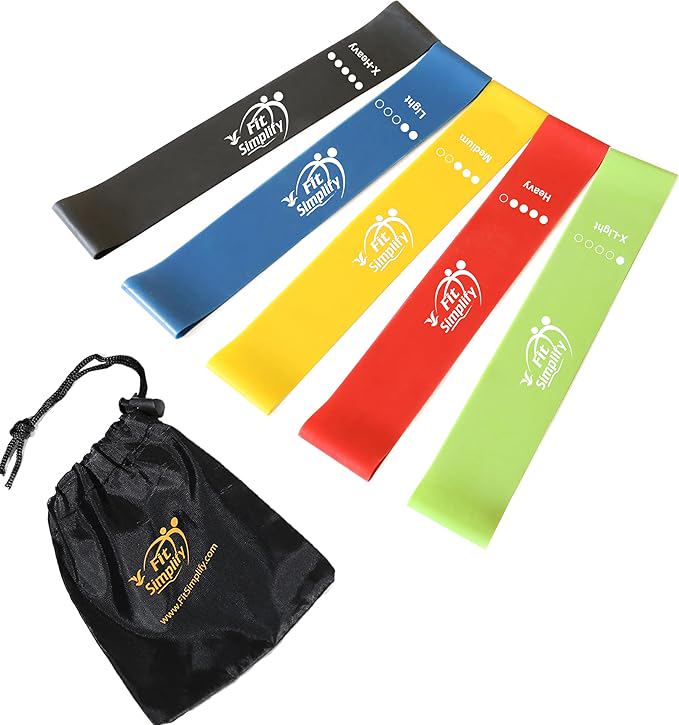
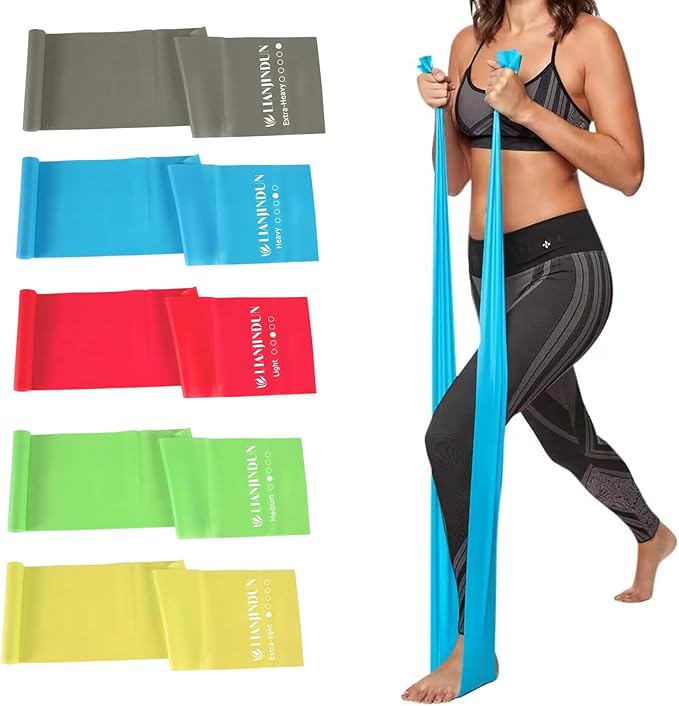
You don’t need any equipment to start, but if you want to increase the challenge, a resistance band adds extra tension. Here’s a simple progression:
- No band (beginner): Stand with feet hip-width apart, lower into a quarter squat, and step to the side with your right foot. Follow with your left foot so you return to the starting stance. Keep your back straight, core tight, and take controlled steps. Do one side for 30–60 seconds, then switch.
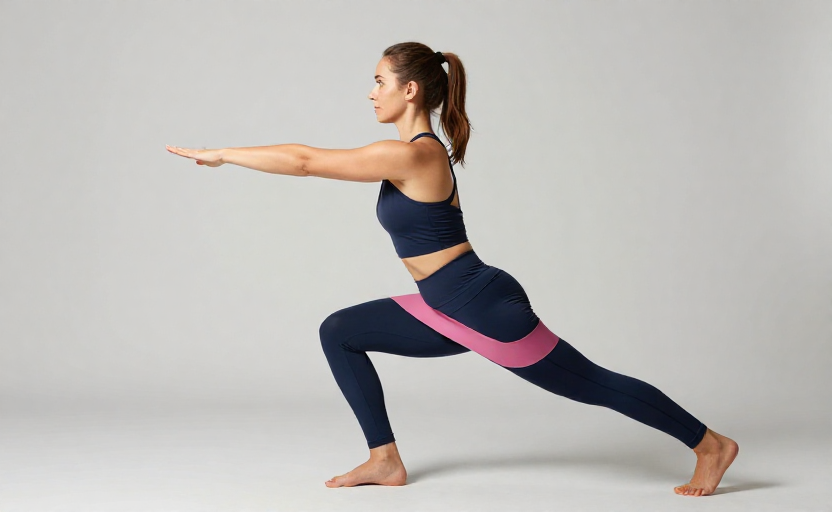
- With a resistance band (intermediate): Place a loop band just above your ankles. Get into a quarter squat—this keeps the band taut—and take sideways steps while maintaining tension in the band. Short, controlled steps work best. Repeat for one minute per side.
A quick tip: If the band slides down, position it above your ankles but below your calves. You want it snug enough to provide resistance but not so tight that it restricts movement.
What does the research say?
Lateral walking isn’t just a fitness trend—studies back it up. Research published in the Journal of Physical Therapy Science found that walking in different directions, including sideways, helps burn calories effectively, with visible changes in body composition after two to three months of regular practice. Another study in the American Journal of Physical Medicine and Rehabilitation highlighted lateral walking as a valuable tool for rehabilitation after injury and for weight loss in sedentary adults. The same paper noted that for older adults, side-stepping is a joint-friendly option that can preserve mobility and reduce fall risk.
Why it works: more than just movement
When you step sideways, your stabilizer muscles work overtime to keep you balanced. This activates the gluteus medius—a muscle that tends to weaken from too much sitting. A stronger gluteus medius supports your knees, hips, and lower back, which can reduce everyday aches and make forward walking more efficient. Plus, because lateral walking is low impact, it doesn’t jar your joints the way jumping or running can. That makes it a sustainable option even if you have knee sensitivity or are returning from an injury.
How to fit lateral walking into your routine
You don’t need to set aside a whole new workout block. Try adding lateral walking as a warm-up before your usual walk, or as a five-minute activation set before strength training. A sample mini-session might look like this:
- 60 seconds lateral walking to the right (no band)
- 60 seconds lateral walking to the left (no band)
- 45 seconds lateral walking to the right (with band, if available)
- 45 seconds lateral walking to the left (with band)
- Rest 30 seconds; repeat 2–3 rounds
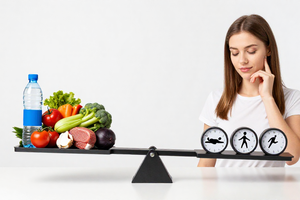
If you’re used to brisk walking, you’ll notice your heart rate climbs faster during lateral stepping—that’s because your muscles are working in less familiar patterns. Over several weeks, this can translate to more defined thighs and a stronger core, along with gradual fat loss if paired with a balanced diet.
The bottom line
Lateral walking is a simple, science-supported move that targets areas forward walking misses: inner thighs, glutes, and obliques. It’s gentle on the joints, easy to scale up with a resistance band, and backed by research for both weight loss and rehabilitation. Whether you’re new to exercise or looking to break a plateau, adding side steps to your routine two to three times a week can bring noticeable results in a couple of months.