It’s that familiar slump: 10:30 AM rolls around, your energy dips, and your hand is reaching for a granola bar or a leftover pastry. Mid-morning hunger isn’t a lack of willpower; it’s often a biological signal that your breakfast didn’t contain the right kind of fuel. The missing piece is often fat—specifically, the type of fat that slows digestion and keeps blood sugar steady.
Not all fats are created equal when it comes to satiety. The goal is to swap out quick-burning, processed fats (like those in packaged muffins or sugary coffee creamers) for whole-food fats that trigger the release of satiety hormones like cholecystokinin (CCK). Here are three straightforward food swaps that put the right fats back into your morning meal.
Swap #1: Swap Your Low-Fat Yogurt for Full-Fat Greek Yogurt
Low-fat or nonfat yogurt is a classic diet-food trap. Without fat, the body digests the milk sugar (lactose) and protein quickly, leaving you hungry an hour later. Full-fat Greek yogurt, conversely, delivers about 4–7 grams of saturated fat per serving, which signals the gut to release CCK and slows the transit of food through the small intestine. The result: a steady release of energy that lasts through the late morning.
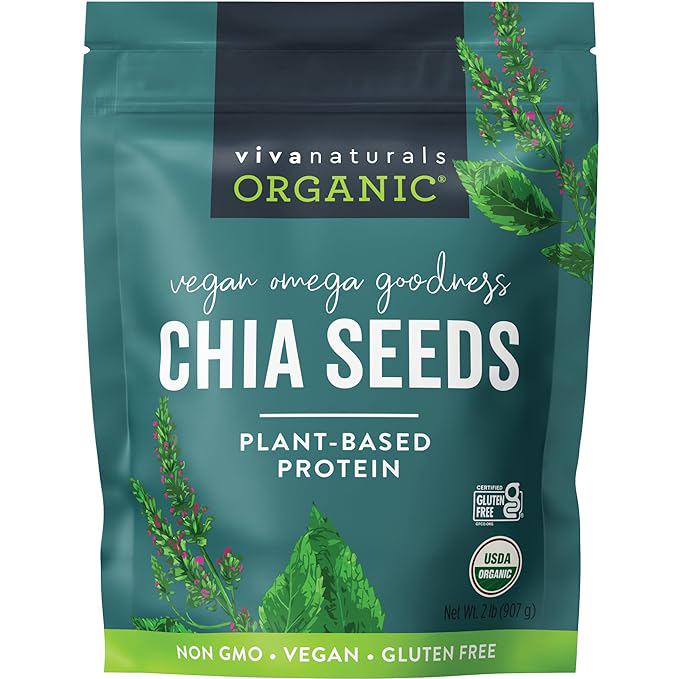
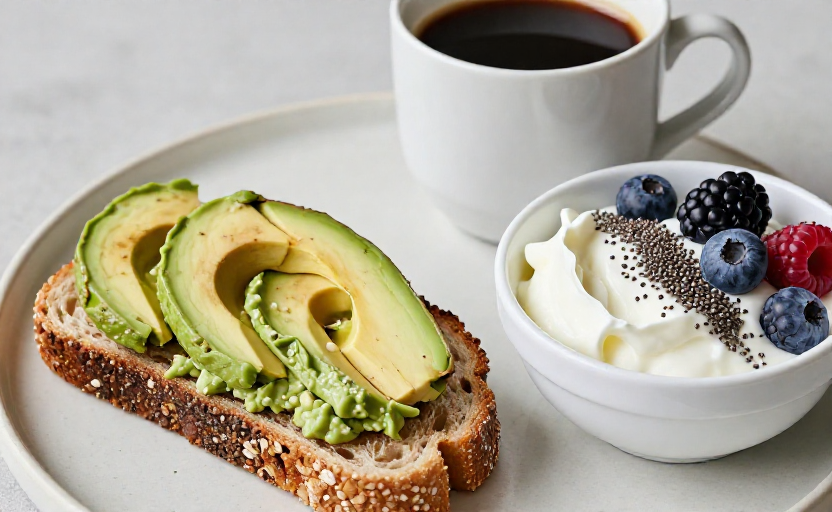
Pairing the yogurt with a tablespoon of chia seeds or ground flaxseed adds a dose of omega-3s and viscous fiber, giving you a double hit of fullness. If you are dairy sensitive, full-fat coconut yogurt (check the label for minimal added sugar) works in the same way.
One cup of full-fat Greek yogurt has roughly the same protein as low-fat but keeps you satisfied for up to four hours longer, according to appetite research.
Swap #2: Swap Your Butter or Margarine for Avocado on Toast
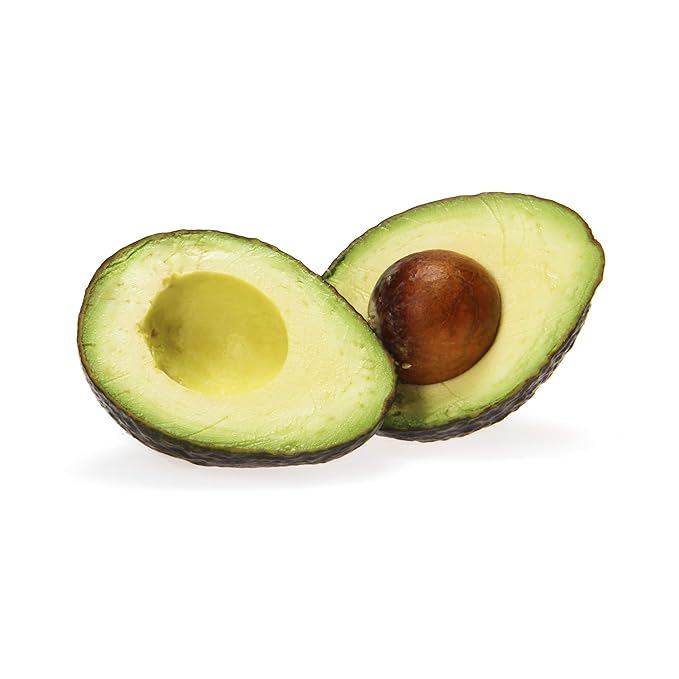
Butter is mostly saturated fat, and margarine often contains inflammatory seed oils. Both are fine in small amounts, but they don’t do much to blunt the blood-sugar spike from toast. Avocado, on the other hand, is a fruit rich in monounsaturated fat (oleic acid) and a solid dose of fiber. When you spread half an avocado on sourdough or whole-grain toast, you get a creamy mouthfeel and a fat that digests slowly, stabilizing glucose levels.
For an even stronger satiety boost, top the avocado with a protein source like a poached egg or a sprinkle of hemp seeds. The fat-plus-protein combo is a proven way to decrease the hunger hormone ghrelin for hours after eating.
Swap #3: Swap Your Sugary Latte for a Bulletproof-Style Coffee or Black Coffee with MCT Oil
The coffee-shop latte made with whole milk and syrup is effectively a liquid sugar bomb. It spikes insulin quickly, and the insulin crash triggers hunger before noon. Instead, bridge the gap with a small amount of medium-chain triglycerides (MCTs)—found in MCT oil or unsweetened coconut cream—stirred into black coffee. MCTs are unique because they are rapidly absorbed by the liver and converted into ketones, which provide immediate cognitive energy and a feeling of fullness.
If you prefer a simpler habit, drink your coffee black and eat your fat with your breakfast food (like the yogurt or avocado from the swaps above). The core principle is the same: anchoring your morning to fat rather than sugar prevents that mid-morning hunger spike.
Why These Swaps Work Better Than Counting Calories
Standard diet advice says to cut total fat to lower calorie density. But appetite researchers like Dr. David Ludwig point out that calorie density is meaningless if the meal leaves you hungry. Fat is the most satiating macronutrient per gram when eaten with intact fiber or protein. The three swaps above work for three reasons:
- Fat slows stomach emptying. A meal with 20–30% of calories from fat stays in the stomach longer, signaling physical fullness.
- Fat supports blood-sugar stability. Without a sharp glucose spike, there is no sharp crash—and no crash hunger.
- Fat carries fat-soluble nutrients. If you ate vegetables or berries for breakfast, the fat helps you absorb vitamins A, D, E, and K.
Practical Tips to Make the Swaps Stick
Change can feel disruptive if you are used to low-fat routines. A few ways to ease in:
- Start with one swap per week. Trying all three at once can overwhelm the palate. Let your taste buds adjust to the savory richness of full-fat yogurt or avocado.
- Watch the portion size. A serving of avocado is about one-third to one-half of a medium fruit. A serving of full-fat yogurt is about 3/4 cup. More is not better—these fats are calorie-dense, and the goal is moderation within a balanced meal.
- Combine with a savory breakfast. If you are used to sugary breakfasts, adding fat alone may feel weird. Pair the swap with a poached egg, a handful of greens, or a small serving of leftover roasted vegetables to create a satisfying meal that doesn't spike insulin.
What About Plant-Based Fat Sources?
If you are vegan or prefer plant-based eating, the avocado swap is already on the list. For the yogurt option, look for full-fat coconut yogurt or unsweetened soy yogurt that contains around 5–7 grams of fat per serving. For the coffee option, use unsweetened coconut cream or a reputable MCT oil derived from coconuts. The common thread remains: choose fats that come from a whole food (or a minimally processed oil) rather than a hydrogenated additive.
Remember that individual satiety responses vary. Some people do best with a breakfast that is higher in protein; some need more starch or fat. The right approach is to experiment with these three swaps over the course of a week and note at 10:30 AM how your energy and stomach feel.