When you're working toward weight loss, sugar cravings can feel like an almost constant hurdle. The urge for something sweet often hits at predictable times—mid-afternoon slump, after dinner, or when stress creeps in. While willpower plays a role, one of the most practical and immediate tools you already have in your kitchen is water. Understanding how to use water strategically can make a real difference in managing those cravings without feeling deprived.
This isn't about forcing yourself to chug gallons of water and hoping for the best. It's about timing, temperature, and the subtle ways hydration affects your body's signals. Let's break down how water works as a craving-management tool and how to apply it in your daily routine.
Why Water Helps with Sugar Cravings
The connection between thirst and hunger is surprisingly easy to confuse. Your brain's hypothalamus manages both thirst and appetite, and the signals can get mixed. When you're mildly dehydrated, you might interpret that signal as a desire for sugar or carbohydrates, especially quick energy sources like sweets. By staying adequately hydrated, you reduce the chance that a thirst cue gets misread as a sugar craving.
There's also a mechanical effect. Drinking water before or during a craving creates volume in your stomach, which can trigger stretch receptors that send satiety signals to your brain. This doesn't replace the satisfaction of eating, but it can buy you a critical 10-15 minutes—long enough for an intense craving to soften.
A quick tip: When a sugar craving strikes, drink a full glass of water and wait 10 minutes. Often the craving intensity drops significantly once your body realizes it wasn't really hungry—it was thirsty.
Pre-Loading Before Meals: A Simple Strategy
One of the most studied hydration strategies for weight management is drinking water before meals. Research shows that consuming about 16 ounces of water 30 minutes before a meal can lead to reduced calorie intake, partly because it promotes a feeling of fullness. For sugar cravings specifically, pre-loading with water can help you approach a meal with less urgency, making it easier to choose balanced options rather than reaching for a sugary snack first.
This isn't complicated. Keep a glass or reusable bottle on your desk or counter. Set a timer for 30 minutes before your typical lunch or dinner. Drink the water slowly, not all at once, to avoid discomfort. Over time, this becomes a habitual cue that signals your body that it's about to be fed, reducing impulsive snacking.
Cold Water, Warm Water, or Sparkling?
Temperature and carbonation can influence how water affects cravings. Cold water is often more refreshing and can provide a mild sensory distraction, especially if you sip it cold enough to feel a slight brain freeze effect. Some people find that ice-cold water reduces the immediate intensity of a sugar craving by creating a competing physical sensation.
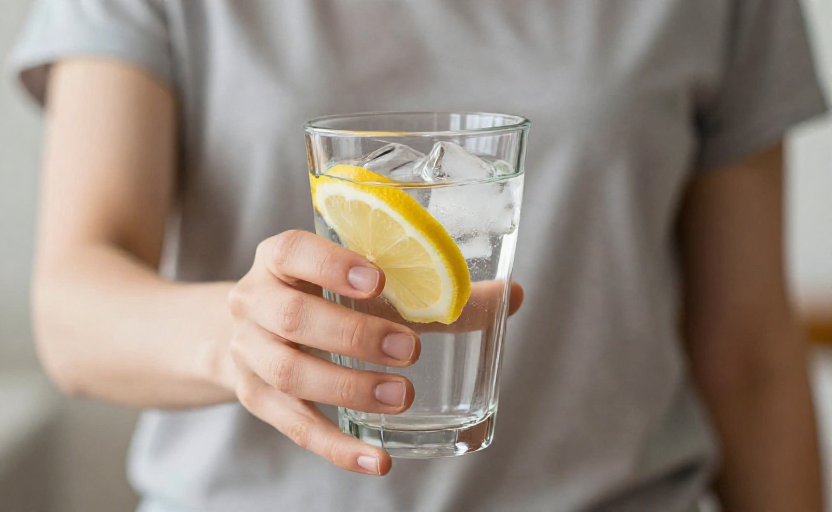
Warm or room-temperature water, especially with a slice of lemon or a few mint leaves, can feel soothing and can be helpful for evening cravings when you want to wind down. Herbal teas—which count as water intake—work similarly. Warm beverages can also signal a transition, like closing down the eating window for the night.
Sparkling water is another option. The carbonation and slight acidity can simulate the sensation of drinking soda, which can be useful if you crave the fizz and mouthfeel of sugary carbonated drinks. Just be careful with flavored sparkling waters that contain added sugars or artificial sweeteners, which can sometimes keep cravings alive.
Hydrating Foods That Double as Water Sources
Water isn't always a drink. Many fruits and vegetables have high water content and can contribute to your overall hydration while also providing a minor sweetness that can satisfy a light craving. Watermelon, cucumbers, strawberries, celery, and zucchini are all over 90% water. Having a few slices of cucumber or a small bowl of berries when a craving hits gives you both hydration and a small amount of natural sugar without spiking your blood sugar levels.
If you're craving something sweet, try eating a piece of watermelon or a cup of strawberries first. Often the natural sweetness is enough to take the edge off, and the water content helps fill your stomach. This is a particularly effective strategy for late-night cravings, as these foods are low in calories and easy to digest.
Pairing Water with Other Craving-Busting Tactics
Water works best as part of a larger toolkit. After you've had your glass of water and waited 10 minutes, if the craving persists, you can combine it with other strategies:
- A short walk: Five minutes of movement can shift your focus and reduce the intensity of a craving.
- A piece of fruit: Pairing water with a piece of fruit like an apple or an orange provides fiber and natural sugars, which can stabilize blood sugar.
- Chewing gum or brushing your teeth: The clean mint sensation in your mouth can signal to your brain that eating time is over.
- Check your sleep: If you're tired, your body may be seeking quick energy from sugar. Water and a short rest can sometimes address the root cause.
If you find yourself craving sugar every day at the same time, it's worth examining your overall fluid intake. A simple goal is to drink enough water so that your urine is pale yellow. Darker urine is a clear sign that you need more fluids, which could be driving those cravings.
How Much Water is Enough?
General recommendations suggest around 8-10 cups of fluid daily from all sources for most adults, but individual needs vary based on activity level, climate, and body size. A more practical approach is to drink water consistently throughout the day and increase it when you're physically active or in hot weather. A good baseline strategy: drink a glass of water when you wake up, with each meal, and between meals. That alone typically covers most of your needs.
During weight loss, your body's electrolyte balance can shift, especially if you're eating fewer carbohydrates. If you feel lightheaded or get muscle cramps, ensure you're getting enough sodium, potassium, and magnesium through food or a balanced diet. Water alone isn't always the answer—it's part of a bigger picture of proper hydration and nutrition.
Recognizing When It's Not Just Thirst
There are times when a sugar craving has little to do with hydration. Emotional eating, habit, or a drop in blood sugar can all trigger a strong desire for sweets. In those cases, water can still be a helpful pause. It gives you a moment to check in with yourself: Am I actually hungry? Am I stressed? Am I bored? That brief pause is often enough to make a conscious decision rather than an automatic one.
This is not a fail-safe method, but it is a low-risk, high-reward habit to build. If water doesn't help with a particular craving, that's okay—it simply means you need to look deeper at the root cause. But for many everyday cravings, water is enough.