
If you have natural hair, you have probably heard that oil is your best friend. Scalp oils, hair oils, hot oil treatments—they are everywhere. And for good reason: natural hair tends to be drier than other textures, and a little oil can seal in moisture, add shine, and protect strands.
But here is the catch: there is such a thing as too much oil. In fact, the over-oiling mistake is one of the most common reasons natural hair becomes itchy, irritated, and prone to shedding. What is meant to be a soothing ritual can backfire, leaving the scalp congested and hair brittle. Understanding why this happens—and how to adjust your routine—can save you from unnecessary frustration.
Why over-oiling triggers an itchy scalp
The scalp, like the rest of your skin, has a delicate ecosystem. It produces its own sebum (a natural oil) that keeps the skin barrier healthy. When you consistently layer heavy oils on top, you can trap dead skin cells, product residue, and environmental debris. This creates an environment where yeast and bacteria can overgrow, leading to inflammation and itchiness.
Common signs of an over-oiled scalp include persistent itching, small bumps along the hairline, flaking that returns even after washing, and a feeling of heaviness or buildup. For many people, this is mistaken for dryness—so they add more oil, making the problem worse.
A scalp that cannot breathe cannot grow healthy hair. If you are constantly scratching, it is time to check your oil habits.
The surprising link between excess oil and hair loss
It may sound contradictory—oil is supposed to grow hair, right? But when the scalp is clogged, hair follicles can become inflamed. This inflammation can disrupt the normal growth cycle, pushing more hairs into the shedding phase (telogen) and slowing down new growth. This condition, sometimes called seborrheic dermatitis, is characterized by redness, itching, and greasy flakes.
Over time, chronic inflammation can weaken the follicle structure. While a few shed strands daily are normal, you might notice clumps of hair coming out during washing or styling. This is not always permanent, but it requires a change in routine—not more oil.
What type of oil are you using?
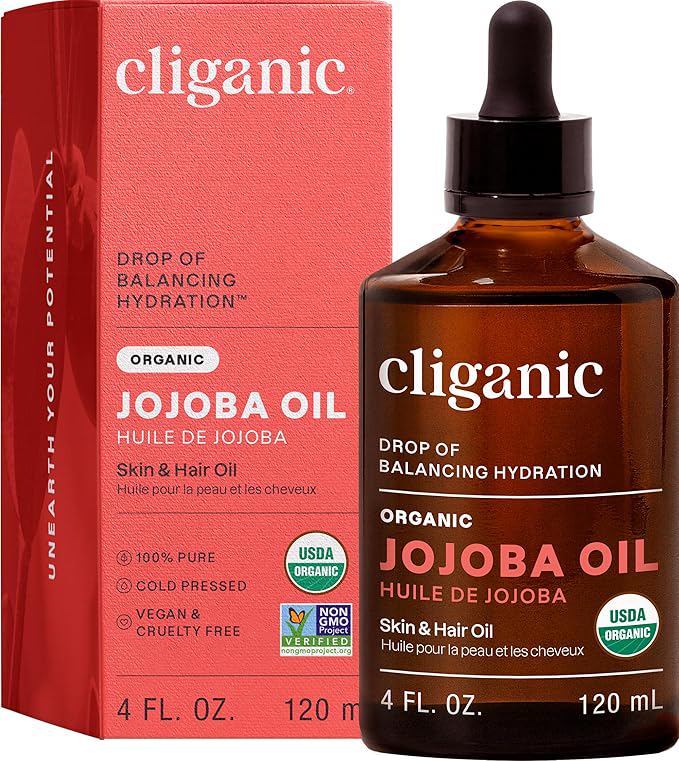
Not all oils are created equal. Some, like coconut oil, are heavy and can penetrate the hair shaft, but they are also very rich. On a buildup-prone scalp, coconut oil can coat the pores rather than allowing them to release sebum naturally. Others, like jojoba oil, are closer to the scalp's own sebum and may be less likely to cause buildup. Peppermint and rosemary oils, when used correctly, can stimulate circulation without overwhelming the scalp—but only when diluted properly.
The mistake many people make is using undiluted essential oils or applying heavy carrier oils directly to the scalp multiple times a week without washing effectively in between. Your scalp needs to breathe, and it can't do that under a layer of oil.
How to oil natural hair the right way
The goal of oiling is to support the scalp's health, not to smother it. Here are a few principles that can help you avoid the over-oiling trap:
- Oil the ends, not the scalp. For many natural hair textures, the scalp only needs a very light amount of oil (or none at all if you use other water-based products). Focus oil on the mid-lengths and ends, where strands are oldest and most prone to breakage.
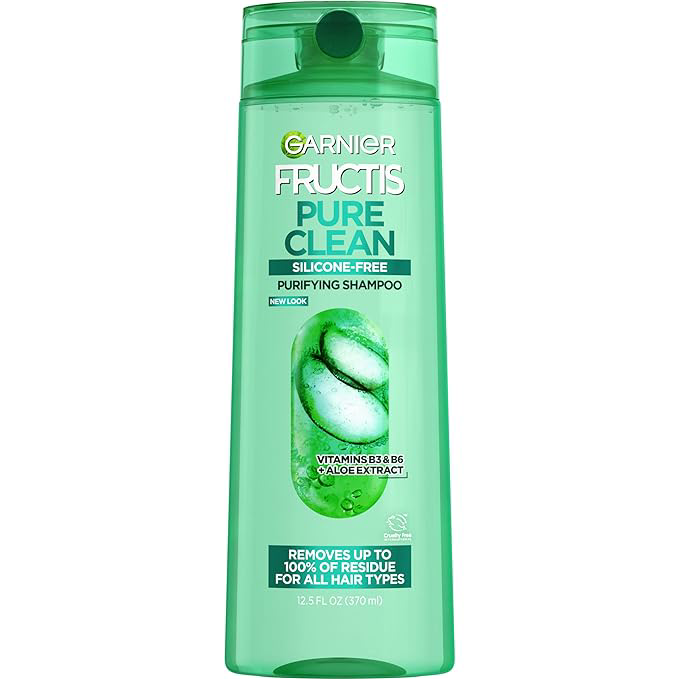
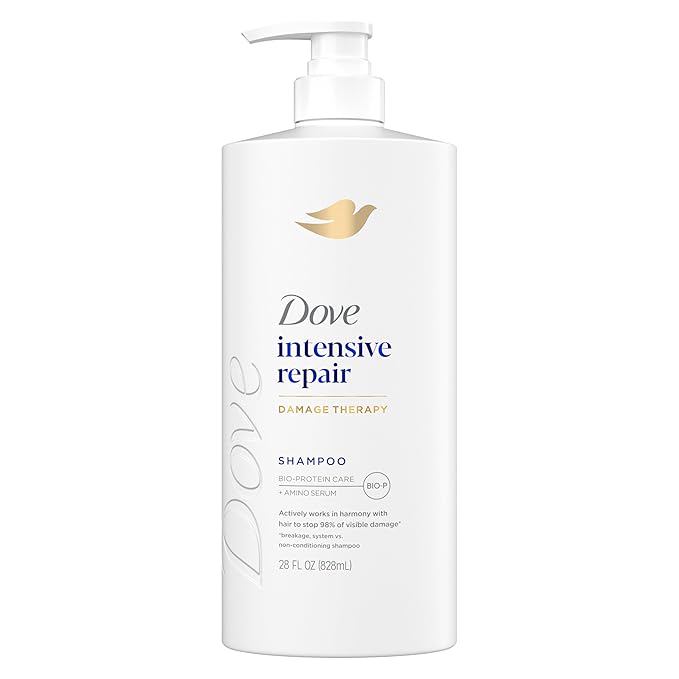
- Wash your hair regularly enough. Natural hair does not need to be stripped of moisture, but it does need to be cleansed. Skipping washes for weeks while reapplying oil daily guarantees buildup. A gentle sulfate-free shampoo or co-wash once a week can reset the scalp.
- Use a clarifying treatment every few weeks. This removes excess oil and product residue. Look for a shampoo with ingredients like apple cider vinegar or charcoal, or do a simple DIY rinse (diluted ACV) to restore pH balance.
- Dilute essential oils properly. If you are making your own hair oil, mix a few drops of essential oil (like peppermint or rosemary) with a lighter carrier oil—about 5 drops per ounce of carrier. Never apply them directly to the scalp undiluted.
A simple peppermint and rosemary hair oil recipe
If you want to harness the benefits of these herbs without the risk of over-oiling, try this gentle infusion. The key is that the herbs are steeped into a lightweight oil, not applied in heavy layers.
You will need: coconut oil (or a lighter carrier like grapeseed or sunflower oil), fresh or dried rosemary leaves, and fresh or dried peppermint leaves.
- Fill a clean glass jar with warm water to sterilize it, then dry it completely.
- Add the rosemary and peppermint leaves to the jar.
- Pour your chosen oil over the leaves until they are fully submerged.
- Seal the jar and place it in a warm, dry spot (like a windowsill) for one week. Shake it gently each day to help release the herbs' properties.
- After seven days, strain out the leaves using a fine-mesh strainer or cheesecloth. Transfer the oil to a clean bottle.
This oil should last 5–6 months if stored in a cool, dry place. Use it sparingly: just a teaspoon massaged lightly on the scalp before washing, or a few drops smoothed onto your ends between washes.
How to apply without overdoing it
Here is where most people trip up: they treat hair oil as a leave-in conditioner that stays on all week. Instead, think of oil as a pre-wash treatment or a very targeted sealant.
- Pre-wash treatment: Apply the oil to your scalp and hair, leave it on for 15–30 minutes, then wash thoroughly with shampoo. This allows the active ingredients to work without causing buildup.
- End sealant: After moisturizing with a water-based leave-in, seal your ends with a single drop of oil. You do not need more.
- Frequency: Once or twice a week is enough for most people. If your scalp feels greasy or itchy, reduce to once a week or skip a week entirely.
Your hair will tell you what it needs. If it feels soft, strong, and your scalp is calm—you have found the balance. If you are itching or noticing more shedding, pull back on the oil. More is not better when it comes to natural hair care.
In a landscape full of advice about butter creams and heavy greases, the real secret to healthy natural hair is not about what you add—it is about what you leave out. A clean, balanced scalp is the foundation of hair growth. Oil can be a wonderful tool in your routine, but only when used with intention and restraint.