You start your day with what feels like a health win: a vibrant smoothie packed with berries, spinach, and maybe a scoop of protein powder. But hours later, your scalp begins to tingle, itch, or even flake. If you have natural hair, the connection between what you drink and how your scalp feels might be more direct than you think.
Diet and scalp health are deeply linked, especially for those with textured, coily, or curly hair. Natural hair tends to be drier and more prone to sensitivity, and certain ingredients in your morning blend can either calm or aggravate that delicate balance. Here is what experts want you to know about the ingredients that could be triggering scalp itch—and the ones that may actually help.
How Your Smoothie Might Be Irritating Your Scalp
A smoothie is a concentrated source of nutrients, but also of potential irritants. When your digestive system processes certain foods, compounds can enter your bloodstream and eventually reach your scalp's oil glands, sweat glands, and hair follicles. For people with sensitive scalps, even wholesome ingredients can provoke a reaction.
Common culprits include dairy (whey or casein protein powders, milk, yogurt), high-sugar fruits, and artificial additives. Dairy intolerance, for instance, is often linked to inflammation, which can show up as an itchy or flaky scalp. Similarly, a rapid spike in blood sugar from too much fruit or sweetener can trigger an inflammatory response that manifests as scalp irritation.
The Usual Suspects: Ingredients to Watch
Dairy-Based Protein Powders
Whey and casein are common in protein powders and ready-to-drink shakes. For individuals who are lactose intolerant or sensitive to dairy proteins, these can promote systemic inflammation. On the scalp, this may look like redness, dandruff, or an itchy sensation. If you suspect dairy is the issue, try a plant-based protein powder made from peas, hemp, or brown rice for a few weeks and note any change.
High-Glycemic Fruits
Bananas, mangoes, pineapple, and dates are nutrient-dense, but they also have a high glycemic index. When consumed in large amounts, especially without enough fiber or fat to slow absorption, they can raise insulin levels. Higher insulin is associated with increased sebum production and inflammation, both of which can upset the scalp microbiome and lead to itchiness or flaking.
Added Sugars and Artificial Sweeteners
A drizzle of honey, agave, or a packet of stevia might seem harmless, but added sugars (natural or not) can feed yeast and bacteria on the scalp. For people prone to seborrheic dermatitis or fungal overgrowth, excess sugar in the diet can worsen itch and dandruff. Artificial sweeteners, too, can cause gut irritation in sensitive individuals, which may reflect on the scalp.
Avocado and Nut Butters
Healthy fats are generally good for hair, but some people have mild sensitivities to avocados or certain nuts (especially peanuts and almonds). These can trigger histamine release, which may cause itching not just on the skin but on the scalp as well. If you notice a pattern after a particularly nutty or avocado-heavy smoothie, consider rotating your fat source.
Ingredients That May Soothe an Itchy Scalp
Not every smoothie ingredient is a problem. In fact, some can actively support scalp health. The key is to choose whole, anti-inflammatory foods that nourish from the inside.
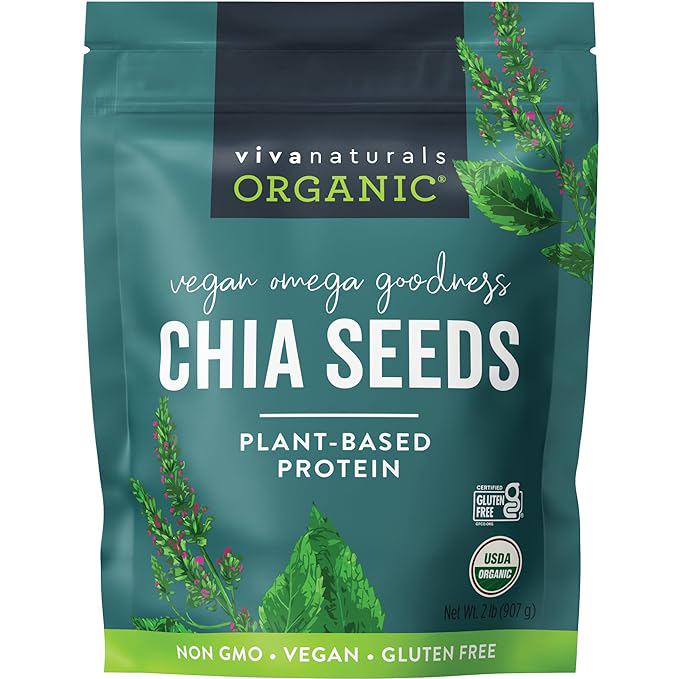
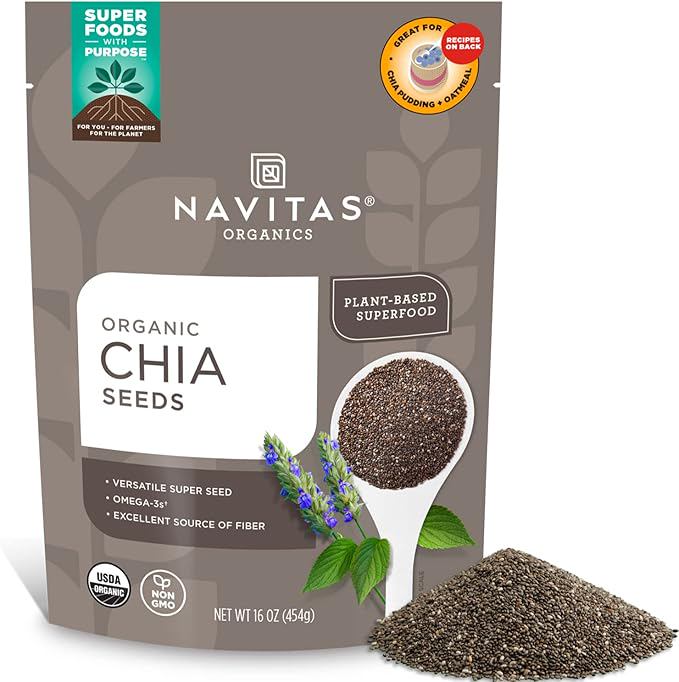
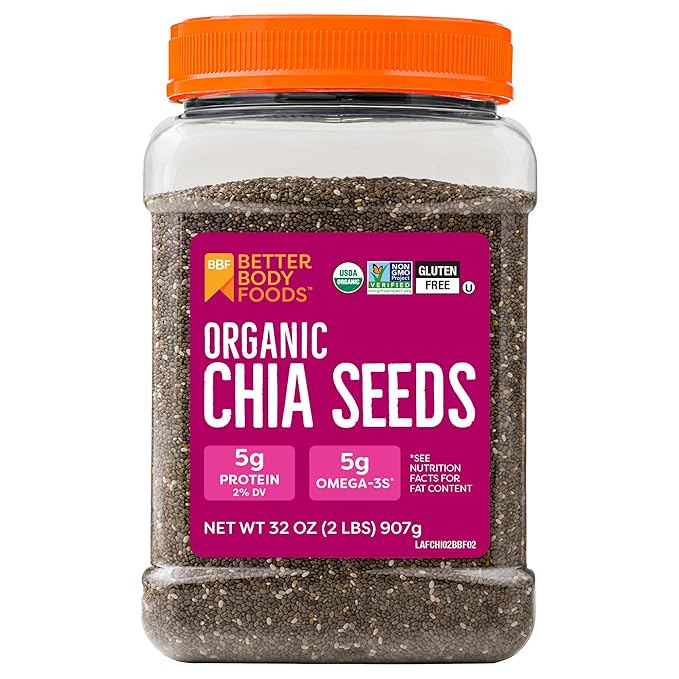
A scalp-friendly smoothie tip: Pair a low-glycemic fruit (like berries) with a plant-based protein, a handful of spinach, and a tablespoon of chia seeds. This combo provides fiber, omega-3s, and iron without spiking blood sugar.
Leafy Greens (Spinach, Kale, Swiss Chard)
These are rich in iron, magnesium, and folate. Iron deficiency is a known contributor to hair thinning and scalp issues. Magnesium can help reduce inflammation and regulate sebum production. A handful of greens in your smoothie supports your scalp without introducing common irritants.
Berries (Especially Blueberries and Strawberries)
Berries are lower in sugar than tropical fruits and packed with vitamin C and antioxidants. Vitamin C is essential for collagen production, which strengthens hair follicles. The antioxidants also help combat oxidative stress, which can damage scalp cells and worsen itch.
Chia Seeds and Flaxseeds
These tiny seeds are excellent sources of omega-3 fatty acids, which have a well-documented anti-inflammatory effect. Omega-3s can help soothe an irritated scalp and reduce dryness, especially if your itch is tied to eczema or general inflammation. They also provide fiber, which stabilizes blood sugar and reduces the likelihood of sugar-driven scalp flare-ups.
Fenugreek Seeds (Methi)
Fenugreek is a traditional remedy for hair health, and it can be easily incorporated into a smoothie after soaking. It contains protein, iron, and compounds that may help reduce dandruff and strengthen hair. Fenugreek also has a mild, earthy flavor that works well with berries and greens.
Can Your Smoothie Cause or Prevent Dandruff?
Yes, indirectly. Dandruff is often linked to the overgrowth of a yeast called Malassezia, which feeds on oils produced by the scalp. A diet high in sugar and refined carbohydrates can encourage this overgrowth. Conversely, a diet rich in zinc, B vitamins, and probiotics (from fermented foods) may help keep the scalp microbiome in balance. If your smoothie includes a probiotic source like plain Greek yogurt (if you tolerate dairy) or kefir, it could support skin health. But if you are sensitive to dairy, skip it and opt for unsweetened almond or oat milk instead.
How to Test If Your Smoothie Is the Culprit
Experts recommend a simple process: an elimination and reintroduction diet focused on your smoothie ingredients. For one week, make your smoothie with only low-glycemic ingredients—berries, spinach, a plant-based protein, and water or unsweetened nut milk. Notice if your scalp calms down. Then reintroduce one potential trigger ingredient at a time (e.g., dairy protein, banana, peanut butter) for three days and observe any reaction. This can help you identify the specific cause without guessing.
When to See a Specialist
If your scalp itch is severe, persistent, or accompanied by visible redness, sores, or hair loss, it is wise to consult a dermatologist. Diet is only one piece of the puzzle; conditions like eczema, psoriasis, folliculitis, or fungal infections require professional diagnosis and treatment. A doctor or a registered dietitian can help you differentiate between a food sensitivity and a skin condition.
Final thought: Your morning smoothie can absolutely be part of a scalp-friendly routine—as long as you choose ingredients that support rather than inflame. Pay attention to how your scalp feels after your first few sips, and adjust accordingly. Your hair will thank you.