You switched to a natural routine to give your hair a break from harsh chemicals. Lately, though, you are finding more strands on your pillow, in the shower drain, and wrapped around your brush. It's easy to blame the season or stress, but sometimes the very products and practices you trust are the ones causing the problem.
Natural hair care is about nourishment, not stripping. When shedding increases, your scalp is sending a signal. Before you add another oil or try a new mask, stop and look for these four warning signs that your routine may be backfiring.
1. Your scalp feels tight, itchy, or sore after washing
A mild, sulfate-free cleanser should leave your scalp feeling clean but comfortable. If your scalp feels tight, itchy, or even tender after your wash day, the cleanser may be too stripping—even if it says “natural.” Some plant-based surfactants, like those derived from coconut, can still be drying for certain scalps. Tightness often means the moisture barrier is compromised. This triggers inflammation, which can accelerate the shedding cycle.
Watch for persistent itching that is not dandruff. An irritated scalp will push out hair faster than usual. If you notice red patches or flaking that wasn't there before, your shampoo might be the culprit.
Quick fix: Switch to an ultra-gentle, pH-balanced cleanser. Look for one with aloe vera or oat milk as the first ingredients—these soothe, not strip.
2. Your hair feels dry and brittle even after deep conditioning
Natural hair craves moisture. If you use a deep conditioner weekly but your strands feel straw-like, think about what you are applying before it. Protein treatments, for example, are excellent in moderation, but overusing them creates stiffness and breakage. Many natural hair brands fortify their products with rice water, keratin, or wheat protein. When protein builds up faster than moisture can balance it, the hair snaps instead of stretches.
Similarly, heavy butters—like shea or cocoa butter—can seal moisture out rather than locking it in if applied on dry hair. The result is a hard, brittle coating that lets shedding increase at the root.
Do the stretch test: take a wet strand and gently pull. If it snaps immediately rather than stretching slightly before breaking, you likely have protein overload.
How to rebalance
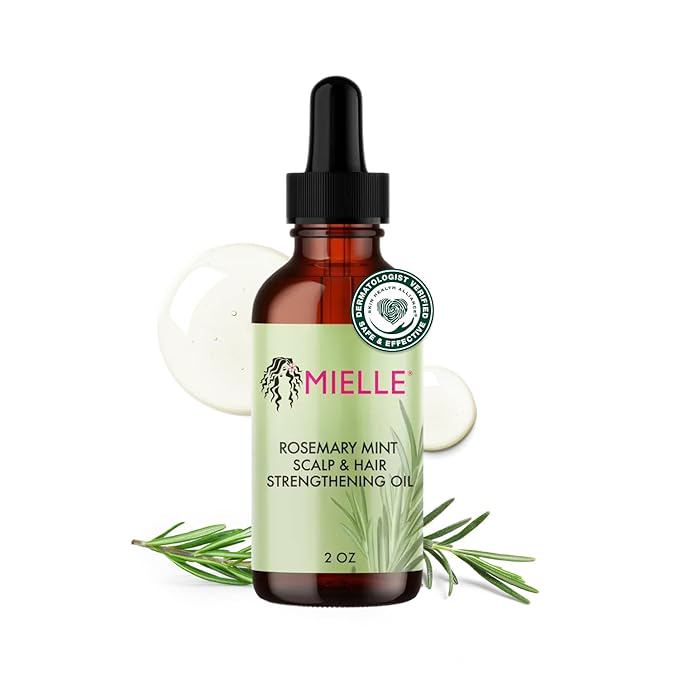
Give your hair a break from protein for two weeks. Use a lightweight, water-based leave-in and seal with a thin oil like jojoba or grapeseed instead of thick butters. If shedding slows down, you found the imbalance.
3. You are losing more hair on wash day than you used to
Some shedding on wash day is normal—the hairs that have already detached from the scalp are just being released. If you notice a sudden increase (clumps rather than strands), the manipulation during washing may be too aggressive. Detangling dry hair, scrubbing the scalp vigorously with fingernails, or using a fine-tooth comb on wet, tangled hair can yank out healthy hairs along with shed ones.
Another hidden trigger: leaving conditioner in too long or using a formula that is too heavy for your porosity can weigh the hair down and cause tension at the follicle. When you rinse, the weight pulls on the root, encouraging breakage.
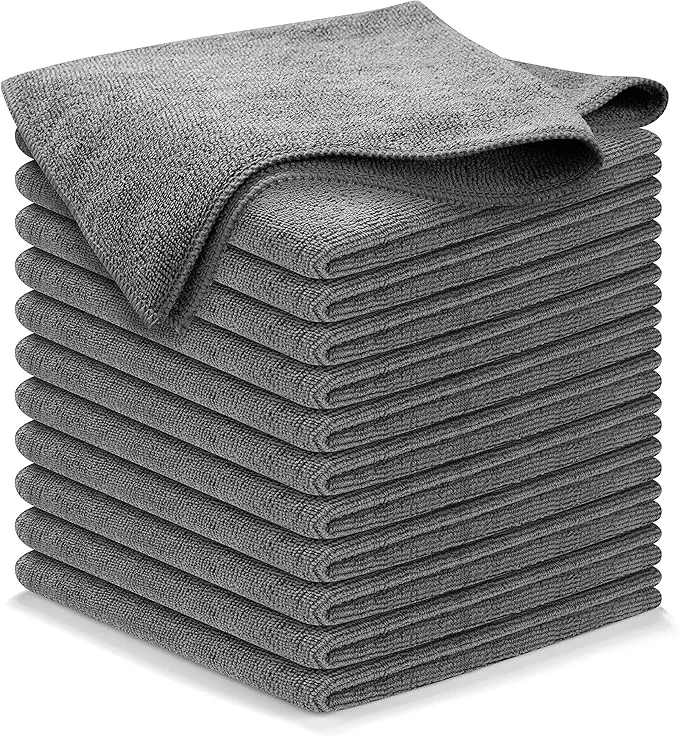
Try this: Detangle gently with a wide-tooth comb while the conditioner is still in and the hair is slippery. Rinse with cool water to close the cuticle. Pat dry with a microfiber towel—never rub.
4. Your scalp has visible buildup no matter how often you wash
Natural routines often involve oils, butters, and leave-in creams that can accumulate on the scalp. If you notice a waxy film, flakes, or a musty smell even after washing, you have buildup. That layer traps bacteria and yeast, and triggers inflammation that pushes hair out of the growth phase early.
Even natural ingredients like coconut oil can be comedogenic for the scalp. And aloe vera gel with added thickeners can leave a residue. If your scalp is not clean, your follicles cannot hold onto hair.
The reset
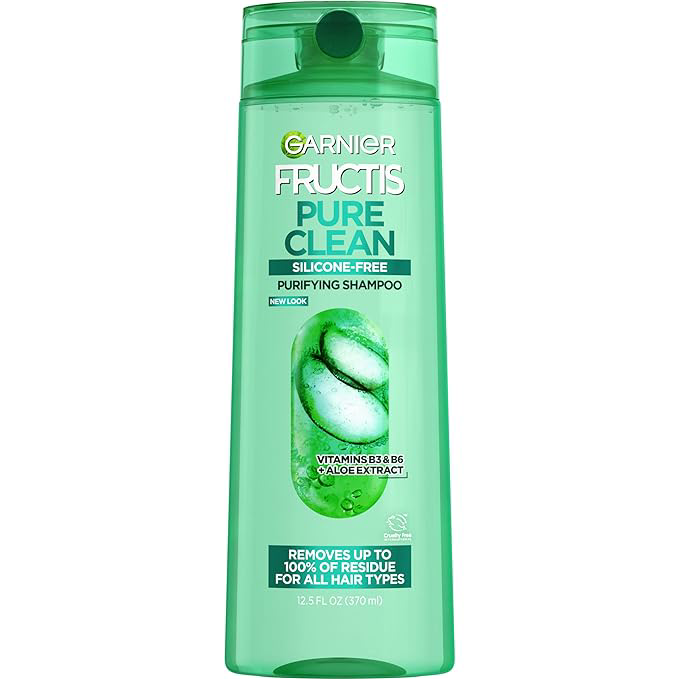
Use a clarifying shampoo with gentle ingredients—one with apple cider vinegar or charcoal—once every two to four weeks. Follow with a moisturizing deep conditioner. If you see less shedding after clarifying, buildup was your problem.
When shedding becomes a concern
Some daily shedding (50–100 strands) is normal. The warning signs above are about a noticeable uptick—more hair in your brush than usual, thinner ponytails, or bald patches. If shedding continues after adjusting your routine, or if you see redness, swelling, or scabbing on the scalp, see a dermatologist or a trichologist. They can rule out underlying conditions like telogen effluvium, alopecia areata, or scalp infections.
Your natural routine should help your hair thrive, not thin it out. Listen to what your scalp and strands are telling you, and be willing to simplify.