If you have noticed more hair in your shower drain lately, and your scalp often feels tight or uncomfortable, you may be looking for ways to support your hair health. While many factors influence hair thinning, including genetics, stress, and hormone shifts, what you drink each day can play a role, too. Certain beverages may contribute to inflammation, dehydration, or nutritional imbalances that could make a sensitive scalp feel worse and may even accelerate thinning.
Below are three types of drinks you may want to limit or avoid if your natural hair is thinning and your scalp feels tight. This is general wellness information, not a substitute for medical advice. If you are concerned about your hair, a healthcare provider can help identify the underlying cause.
1. Sugary sodas and sweetened beverages
Regular sodas, sweetened iced teas, and fruit drinks with added sugar are often the biggest sources of empty calories in a typical diet. High sugar intake can trigger inflammation in the body, and chronic inflammation may affect the hair follicle environment. When your scalp is already feeling tight or irritated, adding internal inflammation could worsen the situation.
Some research suggests that a diet high in sugar may also impair the circulation of blood to small vessels, including those that nourish hair follicles. Over time, poor circulation can leave follicles undernourished, which may contribute to thinning. Instead of reaching for a soda, try plain sparkling water with a splash of citrus or a few mint leaves. The goal is to keep your body and scalp hydrated without the inflammatory effects of excess sugar.
2. High-caffeine energy drinks and excessive coffee
Energy drinks and very large amounts of coffee can be problematic for two reasons. First, caffeine is a diuretic, which means it can increase fluid loss and potentially contribute to dehydration. A dehydrated scalp can feel tighter, drier, and less supple. When the scalp is dry, it may be less able to support healthy hair growth.
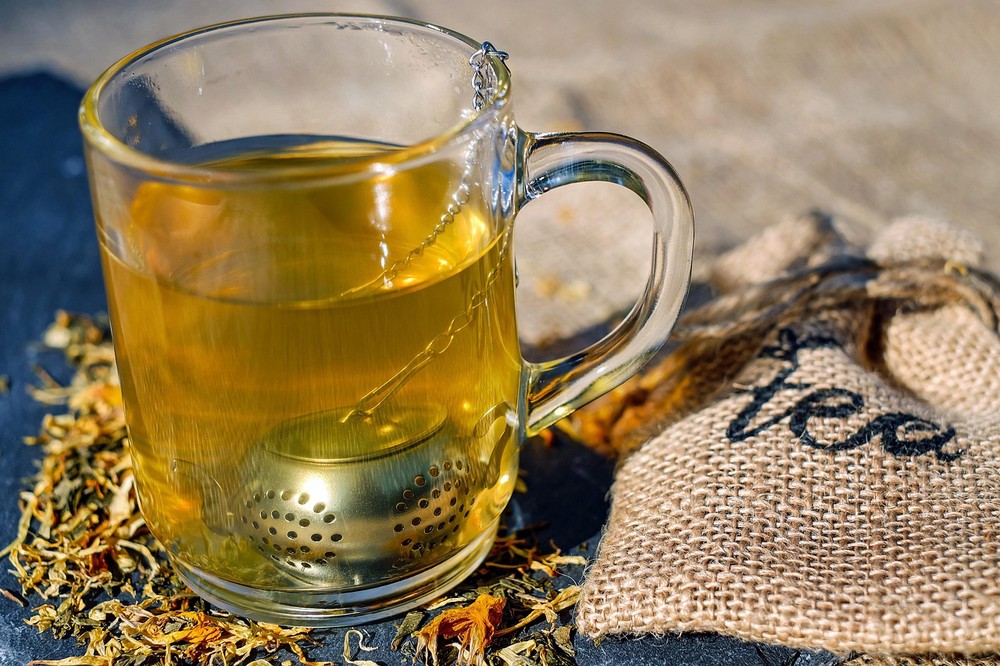
Second, many energy drinks contain high levels of caffeine plus other stimulants that can raise cortisol (the stress hormone). Elevated cortisol levels are linked to hair shedding and can exacerbate feelings of tension in the scalp. If you rely on coffee or energy drinks to get through the day, consider gradually reducing your intake. Swap one or two cups for water or herbal tea, and notice if your scalp feels calmer as a result.
3. Alcohol — especially liquor and cocktails with mixers
Alcohol is a well-known dehydrator. When you drink, your body prioritizes processing the alcohol, which can lead to reduced hydration in your skin and scalp. A tight, dry scalp is often a sign of dehydration, and consistently dry skin on the scalp can create an environment where hair follicles are less resilient.
Alcoholic beverages, particularly cocktails made with sugary mixers, also place a burden on the liver. The liver is essential for metabolizing hormones and filtering toxins. When it is busy processing alcohol, it may be less efficient at regulating hormone levels that can influence hair thinning. If you choose to drink, do so in moderation — and pair each drink with a glass of water to help offset dehydration.
A simple first step: replace one dehydrating drink per day with water or an unsweetened herbal tea. Small swaps can reduce scalp tightness over time.
Practical tips for encouraging scalp comfort and hair health
Beyond cutting back on these three beverage types, here are a few everyday strategies that may help your scalp feel more comfortable and support your hair:
- Stay hydrated with water. Aim to drink water consistently throughout the day. Hydrated skin on the scalp is usually less tight and more forgiving.
- Eat a nutrient-rich diet. Foods with omega-3 fatty acids, B vitamins, zinc, and iron all play important roles in hair health. Leafy greens, nuts, seeds, fatty fish, and eggs are good options.
- Be gentle with your scalp. Avoid harsh shampoos with sulfates, which can strip natural oils. Massage your scalp gently when washing to stimulate circulation without creating tension.
- Consider a hair-friendly supplement. If your diet is lacking in certain nutrients, a targeted supplement — such as biotin or a comprehensive hair, skin, and nails formula — may help. Always discuss new supplements with your doctor first.
Understanding how your daily drink choices affect your scalp and hair is a small but meaningful step. By swapping sugary sodas, excessive caffeine, and alcohol for more hydrating options, you may notice your scalp feels less tight and your hair looks fuller over time. For persistent thinning, a dermatologist or trichologist can provide a personalized assessment and treatment plan.