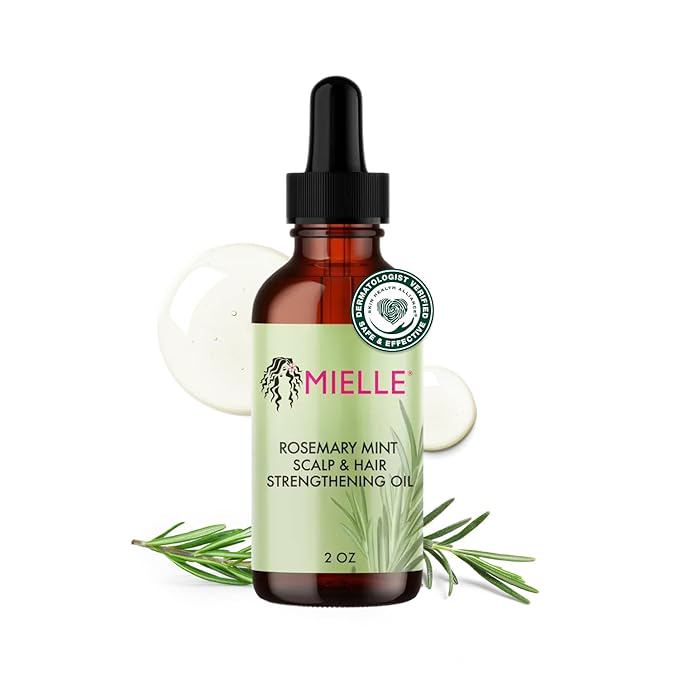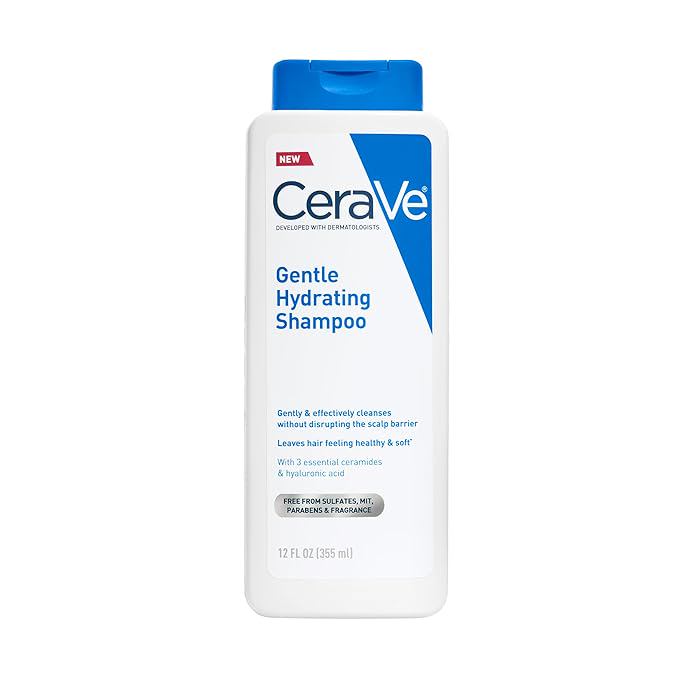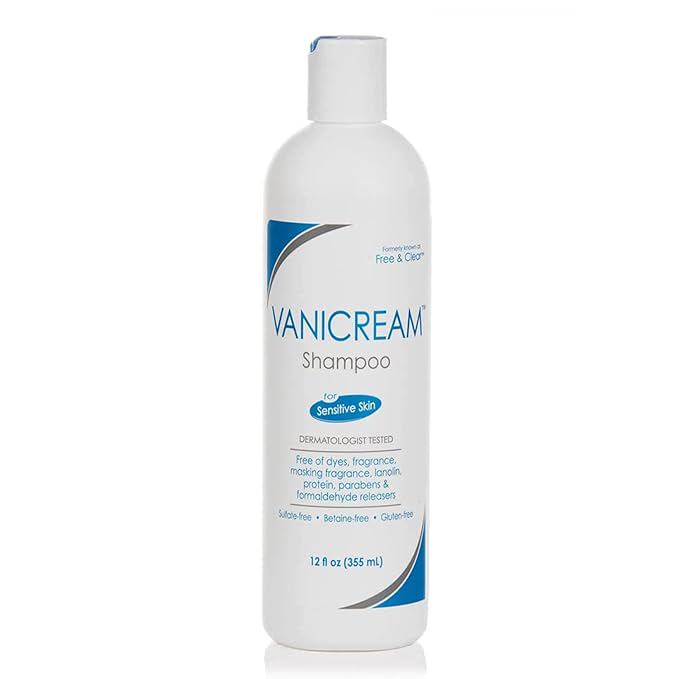
Many people experience a dry, flaky scalp from time to time, and it is easy to assume the cause is simple dryness from weather, shampoo, or low humidity. However, a dry scalp can sometimes be the first sign of an early scalp infection. While natural dryness is common and often harmless, an infection requires a different approach. Learning to tell the difference early on can save you weeks of discomfort and help you choose the right care. Here are two specific symptoms that separate simple hair dryness from the beginning stages of a scalp infection.
1. The Type of Itch and Where It Strikes
With natural dryness, the itch tends to be mild and widespread. It often feels like a surface-level tightness or a light tickle, and it usually appears after washing your hair, spending time in dry air, or during cold months. The feeling is generally consistent across the scalp, and it often improves quickly after you apply a moisturizing conditioner or a natural oil.
In contrast, an early scalp infection produces a sharper, more persistent itch. You might feel a distinct urge to scratch a specific spot — often a small, irritated patch. This itch does not go away with moisturizing. Instead, it may worsen at night or after sweating. If you find yourself scratching the same area repeatedly and the skin feels tender or warm to the touch, this is a sign that inflammation may be present, which points toward infection rather than simple dryness.
Key difference: Dryness itches everywhere lightly; an early infection itches in one or two spots persistently.
2. The Texture and Appearance of Flakes
Flakes from natural dryness are typically small, white, and powdery. They fall off easily when you brush your hair or run your fingers through it. The scalp underneath may look slightly ashy or pale, but it does not appear red, swollen, or oozing. Dry flakes are essentially dead skin cells that shed because the scalp lacks enough moisture to bind them together.
Flakes from an early scalp infection look different. They tend to be larger, yellower, or greasier. They may stick to the hair shaft or to the scalp rather than falling away cleanly. If you look closely at the scalp in the area where these flakes appear, you may notice redness, tiny bumps, or even a slight crust. In some cases, the flakes are accompanied by a faint odor, which is a strong indicator that bacteria or yeast are involved. Infected flakes often feel heavier and more stubborn than dry flakes.
Key difference: Dry flakes are small, white, and powdery; infection-related flakes are larger, yellowish, greasy, and often stuck to the scalp.
If you recognize these symptoms in yourself, it is wise to observe your scalp for a few days. Try a gentle, fragrance-free moisturizing routine. If the itch and flaking persist or worsen — especially if you notice redness, tenderness, or a change in the texture of the flakes — it is time to consult a dermatologist or a healthcare provider. They can determine whether you are dealing with seborrheic dermatitis, folliculitis, or another condition that may require medicated treatment. Catching an infection early makes it much easier to treat and prevents it from spreading.