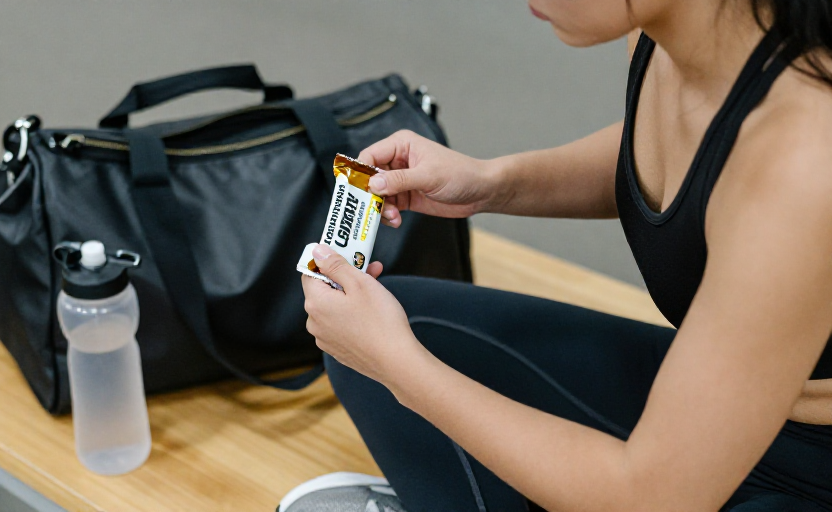
You crushed your workout. You pushed through the last rep, finished your cool-down, and now you’re hungry. What you reach for next can either amplify all that hard work or quietly undermine it. There’s one common processed food mistake that trips up even dedicated gym-goers, and it’s not about grabbing a protein bar instead of a whole-food meal.
The real issue isn’t that you’re eating something packaged after exercise. It’s that many popular “recovery” snacks are engineered for shelf stability and flavor, not for refueling depleted muscles efficiently. The mistake is treating all processed options as equal fuel for your body’s repair window.
Why post-workout nutrition matters
After exercise, your muscles are like a sponge, ready to soak up nutrients. You’ve broken down tissue, used up glycogen stores, and lost fluids through sweat. The right combination of protein, carbohydrates, and electrolytes helps repair muscle, replenish energy, and rehydrate. A poorly chosen processed snack can deliver too much sugar, not enough protein, or preservatives that slow down digestion and absorption.
The mistake: assuming “healthy” means “good for recovery”
Many people reach for granola bars, trail mixes, or fruit-flavored yogurts after a workout because they seem like a virtuous choice. But a critical look at the label often reveals a different story. A typical “protein” bar might have 20 grams of sugar and only 10 grams of protein. A flavored yogurt cup can be loaded with added sugars and thickening agents. These products spike your blood sugar, deliver a modest protein dose, and leave you with an energy crash instead of sustained recovery.
Read the label, not the marketing
The packaging might say “natural,” “energy,” or “sports fuel,” but the ingredient list is where the truth lives. Look for a ratio of about 3:1 or 4:1 carbohydrates to protein for endurance workouts, or closer to 2:1 for strength training. If the snack lists sugar in multiple forms (cane syrup, fructose, fruit juice concentrate, dextrose) in the first few ingredients, it’s not optimized for recovery—it’s optimized for taste.
A quick rule: if a post-workout snack has more sugar than protein, and you’re not running an ultramarathon, it’s likely doing more harm than good for your recovery.
Common offenders disguised as recovery fuel
- High-sugar protein bars: Some have as much sugar as a candy bar. They can cause a rapid insulin spike, which may blunt fat adaptation and leave you feeling sluggish.
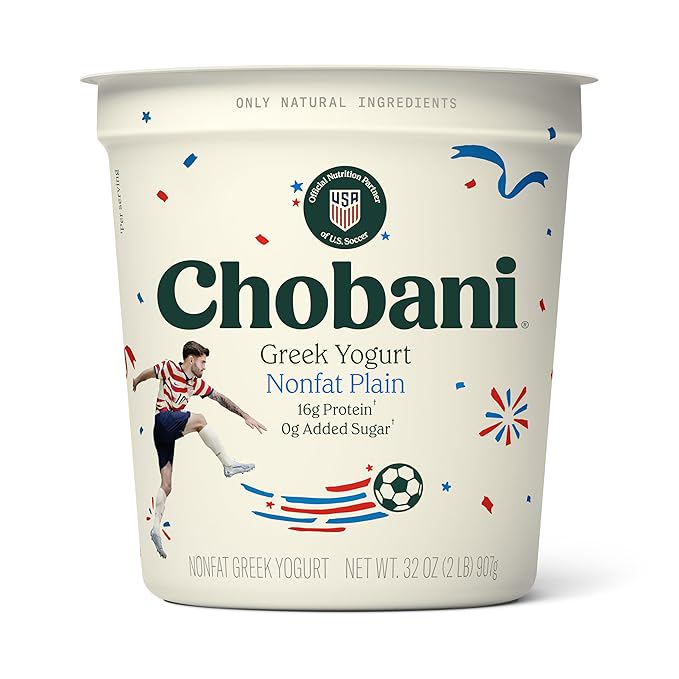
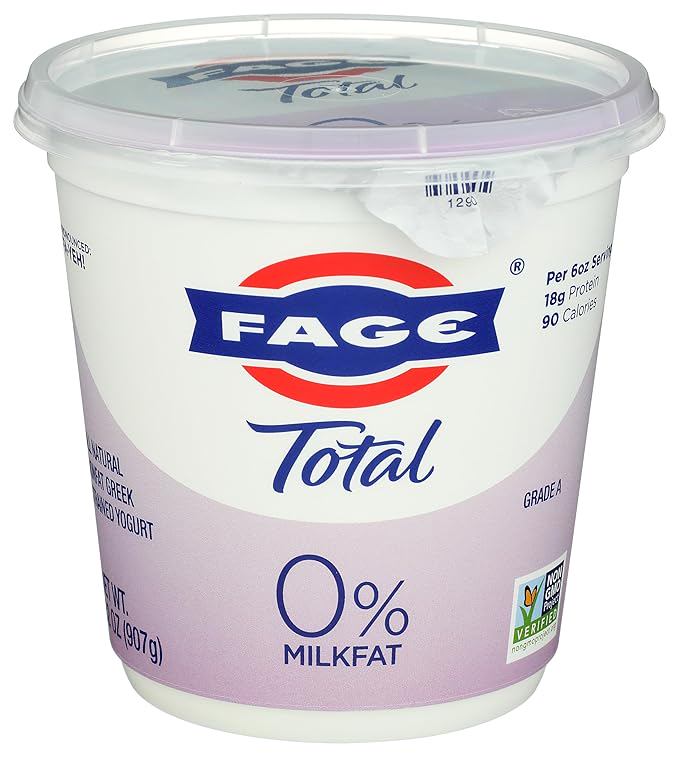
- Fruit-on-the-bottom yogurts: Often contain 15–20 grams of added sugar. Plain Greek yogurt with a handful of berries is a better swap.
- Granola and muesli: A bowl can pack 30 grams of sugar and minimal protein if it’s not paired with milk or yogurt. Check for added sweeteners.
- Sports drinks: Unless you’ve been sweating heavily for over an hour, the electrolytes in a sports drink are overshadowed by the sugar load. Water and a real snack are often superior.
What a smarter post-workout snack looks like
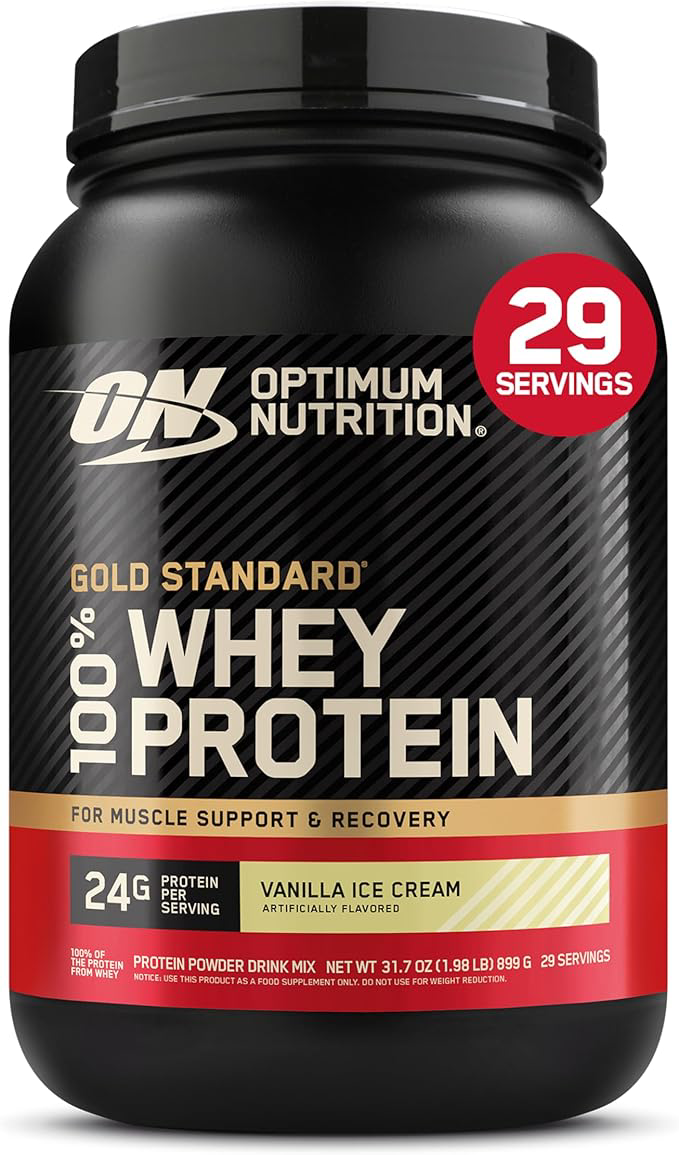
You don’t have to eliminate all processed foods. The key is choosing options that align with your workout intensity and goals. Look for snacks with a short ingredient list, a solid protein-to-carb ratio, and minimal added sugar. Good processed choices include: a recovery shake with a clean whey or plant protein powder, unsweetened nut milk, and a banana; a bar with less than 10 grams of sugar and at least 15 grams of protein; or a bag of edamame or roasted chickpeas for protein and fiber without excess sugar.
Timing also matters
Your body’s ability to use nutrients is highest in the first 30 to 60 minutes after exercise. That’s the window to eat something. If you wait longer, your muscles become less receptive, and the snack may be stored as fat instead of used for repair. So the mistake isn’t just what you eat, but when.
How to avoid the trap
- Check the added sugar content first. Aim for under 10 grams per serving for a recovery snack.
- Look for protein content similar to the carbs you’re eating. A 30-gram bar should have at least 10–15 grams of protein.
- Avoid snacks with a long list of preservatives, artificial flavors, or hydrogenated oils. These can cause inflammation and slow recovery.
- If you’re not sure, a simple whole-food snack like a hard-boiled egg and an apple is almost always a better choice than a heavily marketed “fitness” bar.
Your workouts deserve better than a sugar-loaded bar that leaves you craving more. Take a few extra seconds to read the back of the package. Your muscles—and your next workout—will thank you.