
You’ve probably heard that when and how you eat matters just as much as what you put on your plate. But one common meal timing mistake can quietly throw your macrob balance out of whack—leaving you feeling sluggish, bloated, or stuck in a weight-loss plateau. Experts in metabolic health and nutrition science have pinpointed this pattern, and the fix is simpler than you might think.
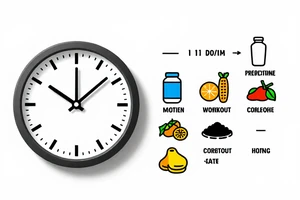
Your body runs on internal clocks—circadian rhythms that regulate digestion, hormone release, and energy use. When you eat at irregular hours, snack late into the night, or skip breakfast only to feast after dark, you send mixed signals to your metabolism. Over time, this disrupts the delicate balance of macronutrients (carbs, proteins, and fats) your body needs to function optimally. The result? Your blood sugar swings, your energy dips, and fat storage—especially around the midsection—becomes more likely.
What Exactly Is Macrob Balance?
Macrob balance isn’t about counting grams or following a strict diet. It’s the state where your body efficiently uses the carbohydrates, proteins, and fats you eat to fuel daily activities, repair tissues, and maintain stable energy levels. When that balance is off, you might crave sugary snacks, feel tired after meals, or notice stubborn belly fat that won’t budge despite exercise.
Your metabolism prefers routine. Studies show that eating most of your calories earlier in the day, when your body is primed for digestion and activity, supports better macrob utilization. Conversely, eating large meals late at night can lead to higher blood sugar and insulin levels, poorer fat oxidation, and reduced next-morning appetite—a cycle that disrupts your macrob balance.
The Mistake: Delayed or Erratic Meal Timing
The number one timing mistake experts point to is shifting your largest meal to late evening or eating at inconsistent times from day to day. This habit confuses your circadian-driven metabolism. Your digestive enzymes and insulin sensitivity are naturally higher in the morning and early afternoon. When you push calories to night hours, your body is less equipped to process them efficiently.
For example, if you skip lunch because you’re busy, then eat a heavy dinner at 9 p.m., your body has to work overnight to digest and store those nutrients—often as fat. Blood sugar spikes at night are more pronounced, and your sleep quality may suffer, further throwing off hunger hormones like ghrelin and leptin.
A simple shift: aim to eat your largest meals earlier in the day and finish your last meal at least three hours before bedtime. This gives your digestive system a break and aligns with your body’s natural metabolic peak.
How Meal Timing Affects Your Macros
Each macronutrient responds differently to timing. Carbohydrates are best utilized when your muscles are active and your insulin sensitivity is highest—typically earlier in the day. Protein timing matters less for total daily intake, but spreading protein evenly across three meals helps maintain muscle and satiety. Fats are slower to digest; eating them late can disrupt sleep and contribute to acid reflux.
When you eat out of sync, your body may store more carbs as fat instead of using them for energy. It may also break down muscle protein for fuel—undermining your metabolism and making it harder to maintain a healthy body composition.
Practical Fixes Backed by Experts
To restore your macrob balance, try these evidence-based adjustments:
- Set a consistent eating window. Aim to eat within a 10–12 hour window each day (e.g., 8 a.m. to 6 p.m.). This aligns with your circadian rhythm and gives your body a nightly fasting period for repair.
- Make breakfast or lunch your biggest meal. Shift calories toward the earlier part of the day. Research suggests this can improve blood sugar control, reduce cravings, and support weight management.
- Avoid large meals within three hours of bedtime. A light snack is fine if you’re hungry, but a heavy dinner can disrupt sleep and macrob processing.
- Be consistent day to day. Eating at roughly the same times helps your metabolic cycles stay regular. Erratic schedules—like big weekend brunches followed by late dinners—can throw off your rhythm.
Who Should Be Extra Careful?
People with insulin resistance, prediabetes, or those who struggle with late-night eating habits may notice the biggest improvements from fixing meal timing. Shift workers face a particular challenge because their schedules conflict with natural light-dark cycles. If you work nights, try to eat your main meal before your shift ends and keep snacks light during the rest of your work period.
Pregnant women, individuals with medical conditions such as diabetes, and those on medications should consult a healthcare provider before making significant changes to meal patterns. The goal is not strict fasting or extreme schedules—it’s about bringing more regularity to when you eat.
Small changes in timing can lead to noticeable shifts in energy, digestion, and body composition. By aligning your meals with your body’s internal clock, you support the macrob balance that helps you feel your best.



![Freshware Meal Prep Containers [50 Pack] 1 Compartment Food Storage Containers with Lids, Bento Box, BPA Free, Stackable, Microwave/Dishwasher/Freezer Safe (16 oz)](https://www.glowtheorylab.com/uploads/ad202604/65411b035c0a4f69.webp)
![[8-Pack,30 oz]Glass Meal Prep Containers,Glass Food Storage Containers,Airtight lunch Containers with Lids, Microwave, Oven, Freezer and Dishwasher](https://www.glowtheorylab.com/uploads/ad202604/51081d9654d4075b.webp)