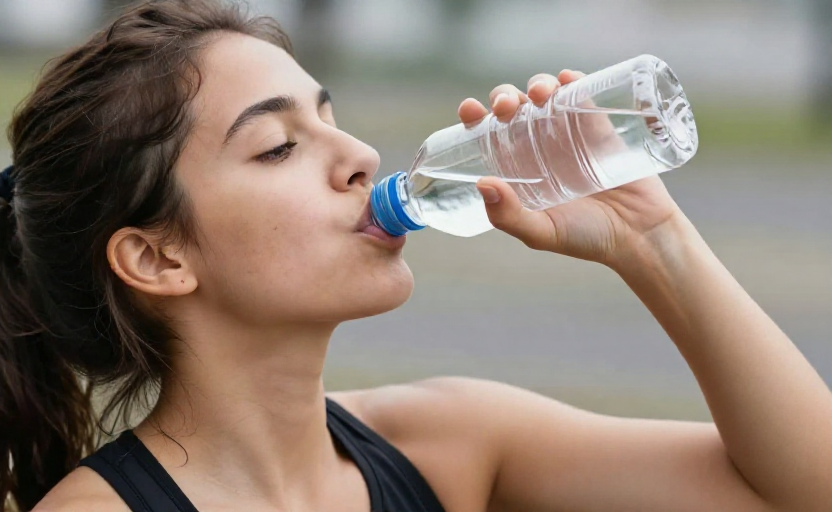
You track your meals, push through every set, and still the scale barely budges. Before you blame your metabolism or change your workout plan, consider something simpler: how you drink water. A common hydration habit many people rely on is actually making their sweat sessions less effective for fat loss. Here is what is happening and how to fix it without overhauling your entire routine.
What is the mistake?
The most frequent error is sipping small amounts of water constantly during exercise, believing it keeps the body evenly hydrated. In reality, this pattern can dilute the sodium concentration in your blood, a state called hyponatremia. When sodium levels drop, your cells cannot hold onto water as efficiently, and the body may hold onto fluid instead of releasing it. This makes you feel puffy and sluggish, and it can blunt the metabolic response that helps burn fat for fuel.
Why it matters for fat loss
During moderate-to-intense exercise, your body relies on a mix of carbohydrates and fat for energy. Proper electrolyte balance—especially sodium and potassium—is what allows your muscles to contract forcefully and your cardiovascular system to deliver oxygen efficiently. When you overhydrate with plain water, you dilute those electrolytes. The result? Your heart works harder, your muscles fatigue sooner, and fat oxidation declines. You may finish a workout feeling tired and bloated instead of lean and energized.
Key insight: Fat loss occurs when your body can efficiently access stored fat during exercise, not just when you sweat heavily. Hydration mistakes interfere with that access.
How to hydrate correctly for fat-burning workouts
The fix does not require expensive sports drinks. It starts with timing and electrolyte awareness. Here are four practical shifts you can make today:
- Drink to thirst, not by a schedule. For most people, thirst is a reliable guide. Drinking large volumes because a timer tells you to can exceed your body’s need and dilute electrolytes.
- Add a pinch of salt or choose an electrolyte source. If you sweat heavily, work out for more than 60 minutes, or are in a hot environment, add a small amount of sodium to your water. This helps maintain the gradient your cells need to function.
- Avoid chugging right before exercise. Downing 16–20 ounces of water immediately before a workout dilutes your blood volume just as you ask your heart to pump harder. Sip slowly in the hour leading up to exercise.
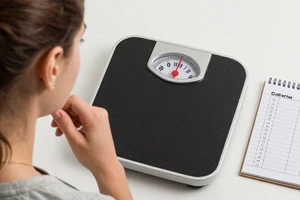
- Match fluid to sweat loss. Weigh yourself before and after a workout (nude, after toweling off). For every pound lost, drink about 16–20 ounces of fluid with electrolytes, not plain water, especially if you lost more than 2 percent of your body weight.
Signs your current habit may be backfiring
Not sure whether you are overhydrating? Look for these red flags:
- Feeling waterlogged or bloated after drinking water during exercise
- Frequent urination that is clear as tap water (urine should be pale yellow, not colorless)
- Headaches or dizziness that improve only after eating something salty
- Early fatigue even though your workout intensity is normal
If any of these sound familiar, your hydration strategy may be working against your fat-loss goals.
What about those “hydration calculators”?
Generic formulas that recommend a fixed number of ounces per day ignore your activity level, sweat rate, climate, and body size. They can encourage overdrinking. Instead, let your body guide you. The color of your urine, how you feel during exercise, and changes in your weight are more accurate signals than a number from an app.
A simple protocol to try
For a typical 45–60 minute workout in a moderate environment:
- Drink about 8–10 ounces of water with a small pinch of salt 30–60 minutes before you start.
- Sip no more than 3–5 ounces every 15–20 minutes during exercise—just enough to wet your mouth and throat.
- If you finish feeling thirsty, drink a few ounces at a time afterward rather than gulping a large bottle.
- Eat a meal or snack with natural sodium (think a banana with a sprinkle of salt, or a handful of olives) within an hour after your workout to help restore balance.
This approach keeps your blood volume stable, supports muscle contraction, and may help your body rely more on fat for fuel during and after exercise.
Final thought
Hydration is not about drinking as much water as possible. It is about maintaining the right balance of water and electrolytes so your body can perform at its best. When you correct the common mistake of overhydrating with plain water, you may find that your workouts feel more productive and the number on the scale finally moves in the direction you want.