You step out of the shower expecting clean, bouncy hair — but instead, your scalp feels tight, your strands look dull, and that white residue won't rinse away. If you live in an area with hard water, the culprit might not be your shampoo itself, but something you're doing every single day in the shower.
Hard water is packed with calcium and magnesium ions. When you rinse with it, those minerals can bind to your scalp's natural oils and any leftover product, forming a stubborn film. Over time, this buildup can clog hair follicles, lead to dryness, and even worsen conditions like dandruff or itchiness. But there's one common shower habit that makes this problem significantly worse.
The mistake: rinsing with water that's too hot
Hot water opens the hair cuticle and dilates the pores on your scalp. While that might sound beneficial for deep cleaning, it actually makes it easier for hard water minerals to penetrate and then stick around once the temperature drops. The heat strips away protective sebum, leaving your scalp's barrier vulnerable. As the water cools, the minerals settle more firmly onto the skin and hair, creating a tenacious layer that regular shampoo often can't break down.
Add to that the fact that many shampoos contain sulfates or other foaming agents that react poorly with hard water. Instead of lifting minerals away, they can bind with them, forming a soap-scum-like residue that sits on your scalp.
Signs that hard water buildup is affecting your scalp
Not sure if this is happening to you? Look for these clues:
- Persistent dryness or flakiness that doesn't improve with moisturizing shampoos
- An itchy, tight feeling right after washing
- Hair that feels rough or straw-like even when wet
- Product buildup that seems to appear faster than it should
- Lack of volume or shine despite regular washing
If you're checking several of these boxes, the mineral film on your scalp may be interfering with everything from your styling routine to your scalp health.
Rinsing with cooler water makes a real difference
Lowering the temperature of your final rinse — or washing with lukewarm water from start to finish — can reduce how much calcium and magnesium adhere to your skin and hair. Cooler water keeps the cuticle closed and helps minerals slide off rather than latching on. It's a small shift, but for those dealing with hard water, it's one of the simplest adjustments you can make.
Tip: Try finishing your shower with a 30-second cool rinse. It won't feel luxurious in winter, but your scalp will thank you.
Other ways to manage hard water buildup on the scalp
Changing your rinse temperature is a good start, but sometimes you need more support. Here are a few approaches that work alongside that fix:
Clarifying washes with simple ingredients
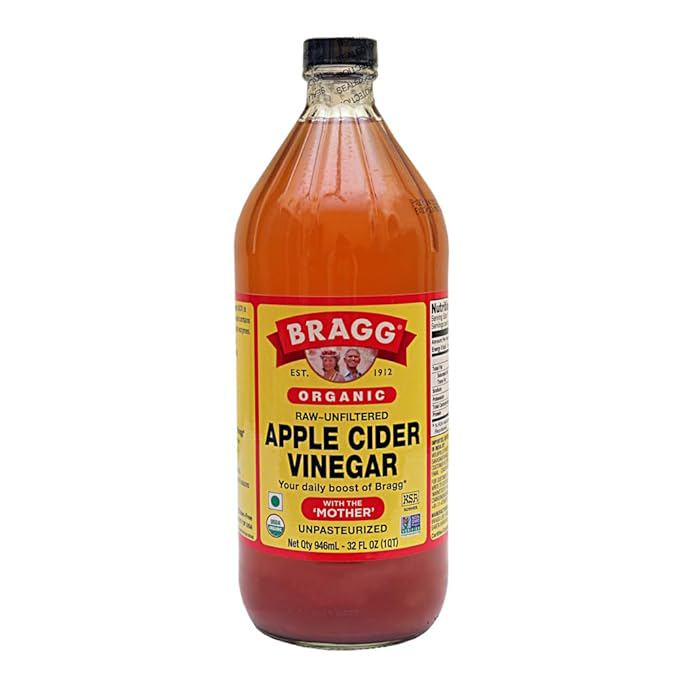
Once a week, use a gentle clarifying rinse to break down mineral deposits. A diluted apple cider vinegar rinse (one to two tablespoons per cup of water) can help dissolve calcium buildup. Pour it over your scalp after shampooing, let it sit for a minute, and rinse with cool water. The acidity helps chelate the minerals without stripping your hair completely.
Consider a shower filter
A showerhead filter designed to reduce hard water minerals can be a practical long-term solution. Look for models that use activated carbon and a chelating agent like KDF-55 or vitamin C. These can significantly lower the mineral load hitting your scalp every day.
Check your shampoo bottle
Some shampoos are formulated specifically for hard water. They often contain chelating agents like EDTA or citric acid, which grab onto minerals so they can be rinsed away. If you're loyal to a particular brand, see whether they make a hard-water-specific version.
Homemade rinses that support scalp health
Natural ingredients can help, too. A rinse made with diluted coconut water can deliver nutrients like potassium and magnesium to the scalp while helping to loosen residue. Coconut milk and coconut oil also have antimicrobial and antifungal properties that may help keep the scalp balanced between washes.
If you want to try a simple at-home approach: mix two tablespoons of freshly extracted coconut water with four tablespoons of liquid castile soap and a tablespoon of aloe vera gel. Add a few drops of peppermint or rosemary essential oil, then use it like a normal shampoo. Rinse with lukewarm water. This won't tackle hard water buildup on its own, but it can support a cleaner scalp environment.
A word on hot water and scalp sensitivity
For anyone with existing scalp conditions — seborrheic dermatitis, psoriasis, or eczema — hot water is especially problematic. The heat aggravates inflammation and dries out the skin barrier, making flare-ups more likely. Hard water minerals then add another layer of irritation. Switching to lukewarm or cool rinses can help calm the scalp and reduce the frequency of flare-ups.
The bottom line
Hard water buildup doesn't have to be a permanent part of your hair routine. One simple change — turning down the heat when you rinse — can make a noticeable difference over time. Combine that with a weekly clarifying rinse, a shower filter if possible, and a shampoo that's designed to handle minerals, and you'll give your scalp a much better chance at staying clean, comfortable, and healthy.