You track your meals, hit your protein goals, and choose healthy fats. Yet somehow, your energy dips, your cravings spike, and your progress stalls. The culprit might not be what you eat—but when you eat it. A single daily habit, often overlooked, can quietly throw your protein-fat-carb balance off kilter, leaving you constantly hungry or fatigued.
That habit? Erratic meal timing—specifically, skipping breakfast or letting gaps between meals stretch too long. While it sounds simple, the ripple effects on how your body processes macronutrients are significant. When you go hours without food, your blood sugar drops, cortisol rises, and your next meal can become a metabolic free-for-all. Understanding this connection can help you stabilize energy, curb cravings, and actually use the nutrients you consume.
Why Meal Timing Matters for Macronutrient Balance
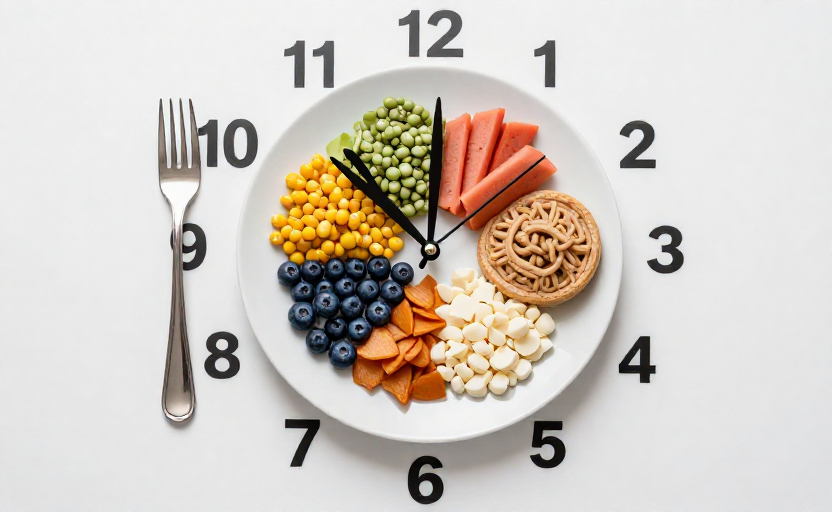
Your body doesn't process protein, fat, and carbs the same way at all times of day. When meals are spaced evenly, your insulin response stays moderate, your muscles get a steady supply of amino acids, and your brain fuels consistently on glucose. But when you skip a meal or wait too long, your system shifts into a stressed state. Cortisol and adrenaline rise, signaling your body to hold onto fat and prioritize quick energy from carbs. This means that even a balanced meal—say, chicken, quinoa, and avocado—can be processed less efficiently. The protein you ate may be partially diverted toward gluconeogenesis (converting protein into sugar) rather than muscle repair, while fats get stored more readily.
The Missing Breakfast Problem
Breakfast literally means "break the fast." After 8–12 hours without food, your glycogen stores are low and your body is primed to use incoming nutrients. Skipping this meal often leads to overeating later—especially refined carbs. A 2021 study in the Journal of Nutrition found that people who ate breakfast had more stable blood glucose and reported fewer cravings for sweets compared to those who skipped it. More importantly, their protein intake was distributed more evenly across the day, which supports muscle synthesis and satiety. Without that morning protein, your lunch and dinner have to do double duty, often resulting in a carb-heavy evening meal that disrupts fat oxidation overnight.
A simple fix: Aim to eat within two hours of waking. Even a small meal—Greek yogurt with berries or two eggs with spinach—can reset your metabolic rhythm for the day.
How Long Gaps Between Meals Change Nutrient Partitioning
Another common pattern is the 5- or 6-hour gap between lunch and dinner, sometimes with only coffee or a granola bar in between. During that stretch, your blood sugar gradually declines. When you finally eat, your pancreas releases a larger-than-normal insulin surge to compensate. This burst of insulin tells your cells to store more of the incoming glucose as fat and to halt fat burning. It also makes it harder for your body to use protein efficiently, because insulin inhibits the breakdown of stored protein but doesn't magically route dietary protein to muscles. Instead, some amino acids get deaminated and turned into glucose or fat.
The Role of Protein Timing
Muscle protein synthesis spikes about 2–3 hours after you eat protein. If you go 6 hours without any, that synthesis window closes, and your body may enter a catabolic state. A 2022 review in Nutrients emphasized that consuming 20–30 grams of protein every 3–4 hours optimizes muscle health and satiety. When meals are delayed, you lose that rhythm, and the protein you do eat later is less impactful.
Practical Strategies to Reset Your Balance
You don't need to follow a rigid schedule, but a few adjustments can prevent the metabolic disruption caused by long gaps:
- Eat within 90 minutes of waking. Even a small balanced meal prevents cortisol from rising too high and sets a stable glucose baseline.
- Don't let more than 4–5 hours lapse between meals. If lunch is at 1 PM and dinner won't be until 8 PM, have a protein-rich snack (like cottage cheese or a handful of almonds) around 4 PM.
- Front-load protein earlier in the day. Aim for at least 20 grams at breakfast and lunch, not just dinner. This reduces cravings and supports evening fat metabolism.
- Combine carbs with protein or fat at every meal. This blunts the insulin spike and keeps blood sugar stable, preventing the crash that leads to poor food choices later.
What About Intermittent Fasting?
Intermittent fasting (IF) can work for some, but it's not immune to these principles. IF typically restricts eating to an 8-hour window, which often means skipping breakfast. During the fasting period, cortisol rises to mobilize glucose. When you break the fast, your body may overproduce insulin in response to even moderate carbs, leading to fat storage and hunger soon after. If you do IF, the key is to break your fast with a high-protein, moderate-fat meal—not a carb-heavy one—and keep your feeding window consistent to avoid blood sugar roller coasters.
The takeaway is clear: Irregular meal timing—whether from skipping breakfast or allowing long gaps—can undermine your best efforts to balance protein, fat, and carbs. By spacing meals evenly and including protein early, you can support stable energy, better muscle health, and fewer cravings. Small changes in when you eat can make a big difference in how well your body uses what you eat.