You reach for a green juice, a smoothie, or a bottle of kombucha, feeling good about your choice. It’s a drink that’s marketed as clean, energizing, and virtuous. But an hour later, you’re hit with an unexpected wave of hunger—specifically, a desperate need for something sweet, carb-heavy, or salty. What happened?
More often than not, the culprit isn’t the drink itself, but a subtle mistake in how it’s made or consumed. The issue is a hidden disruption to your blood sugar, and it turns a perfectly healthy beverage into a craving trigger.
The Mistake: Eating Your Calories, Drinking Your Sugar (Without the Fiber)
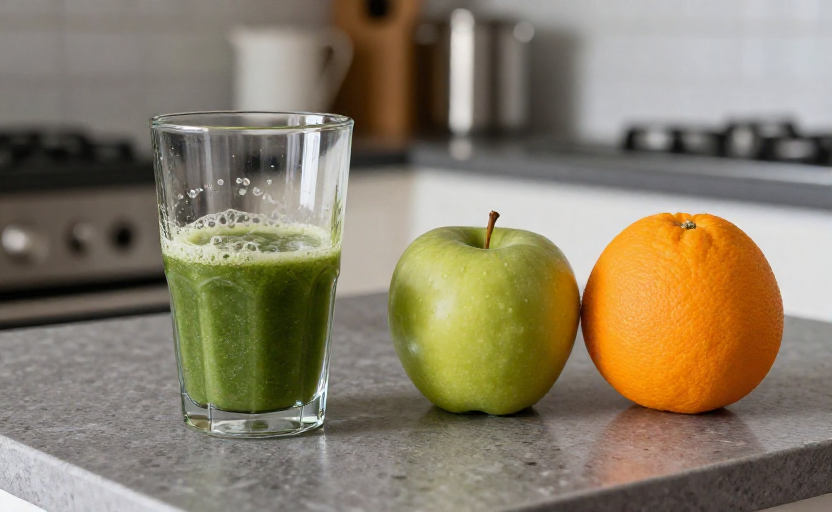
The biggest trap lies in the difference between whole fruit and blended fruit. When you eat a whole apple, you get pectin and structural fiber that slows down sugar absorption. Your liver and pancreas get a gradual, manageable signal. But when you toss that same apple into a high-speed blender with some kale and ginger, you’ve mechanically broken down the cell walls. You’ve essentially predigested it.
This process releases what’s known as free sugars. Without the scaffold of fiber, the natural fructose and glucose hit your bloodstream almost immediately. Your blood glucose spikes, your pancreas releases a surge of insulin, and then—because insulin can be aggressive—your blood sugar drops below baseline. That drop, called reactive hypoglycemia, is a powerful driver of sugar cravings.
The simple truth: A drink can be packed with vitamins and still act like a liquid sugar bomb if it lacks the structural integrity of whole food.
Why the Body Interprets Liquid Sugar Differently
Your body has a hard time registering liquid calories. A 16-ounce smoothie might contain four servings of fruit. If you sat down to eat four whole pieces of fruit, you’d likely feel full after the second one. Your stomach has stretch receptors, and the chewing process sends satiety signals to the brain. A smoothie, however, bypasses those signals entirely. You drink it in five minutes, get the sugar load, and your brain never receives the message that you just ingested a significant amount of energy.
This disconnect is what leads to the craving cycle. The brain, sensing the rapid glucose spike and subsequent crash, sends out a distress signal: Quick, more energy! It doesn’t ask for a green vegetable. It asks for high-energy, easily digestible fuel—which usually means cookies, chips, or another sugary drink.
Not Just Smoothies: Other Hidden Culprits
While fruit-based smoothies are the most common offender, the same principle applies to other seemingly healthy drinks.
- Pressed juices: Even green juices that contain no added sugar are often high in naturally occurring sugar from carrots, beets, and apples, with zero fiber. A 8-ounce green juice can have as much sugar as a can of soda.
- Flavored kombuchas: Many store-bought kombuchas are brewed with fruit juices or cane sugar. While the fermentation process reduces some sugar, a bottle can still pack 8–12 grams per serving, often consumed quickly.
- Plant-based milks: Unsweetened versions are fine, but vanilla or chocolate almond, oat, or soy milks frequently have added sugars (or concentrated syrups) that spike glucose in a vulnerable context, especially if you drink them straight.
- “Hydration” bevies: Electrolyte drinks and coconut waters can be useful for recovery, but many contain high levels of natural or added sugar without the balancing fiber or protein.
How to Fix Your Drink (Without Giving Up Smoothies)
You don’t have to quit green drinks. You just need to rebalance them so that the sugar is released more slowly. Here is how to fix the mistake.
Add a Fat or Protein Source
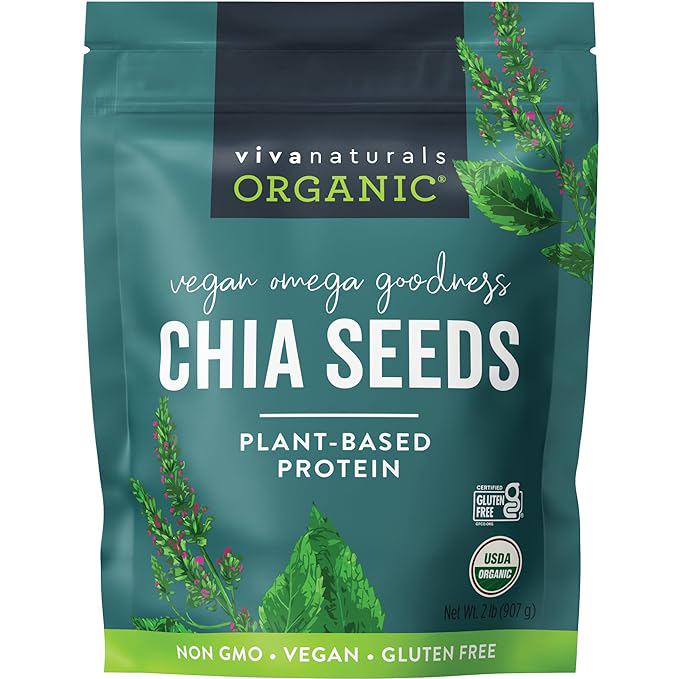
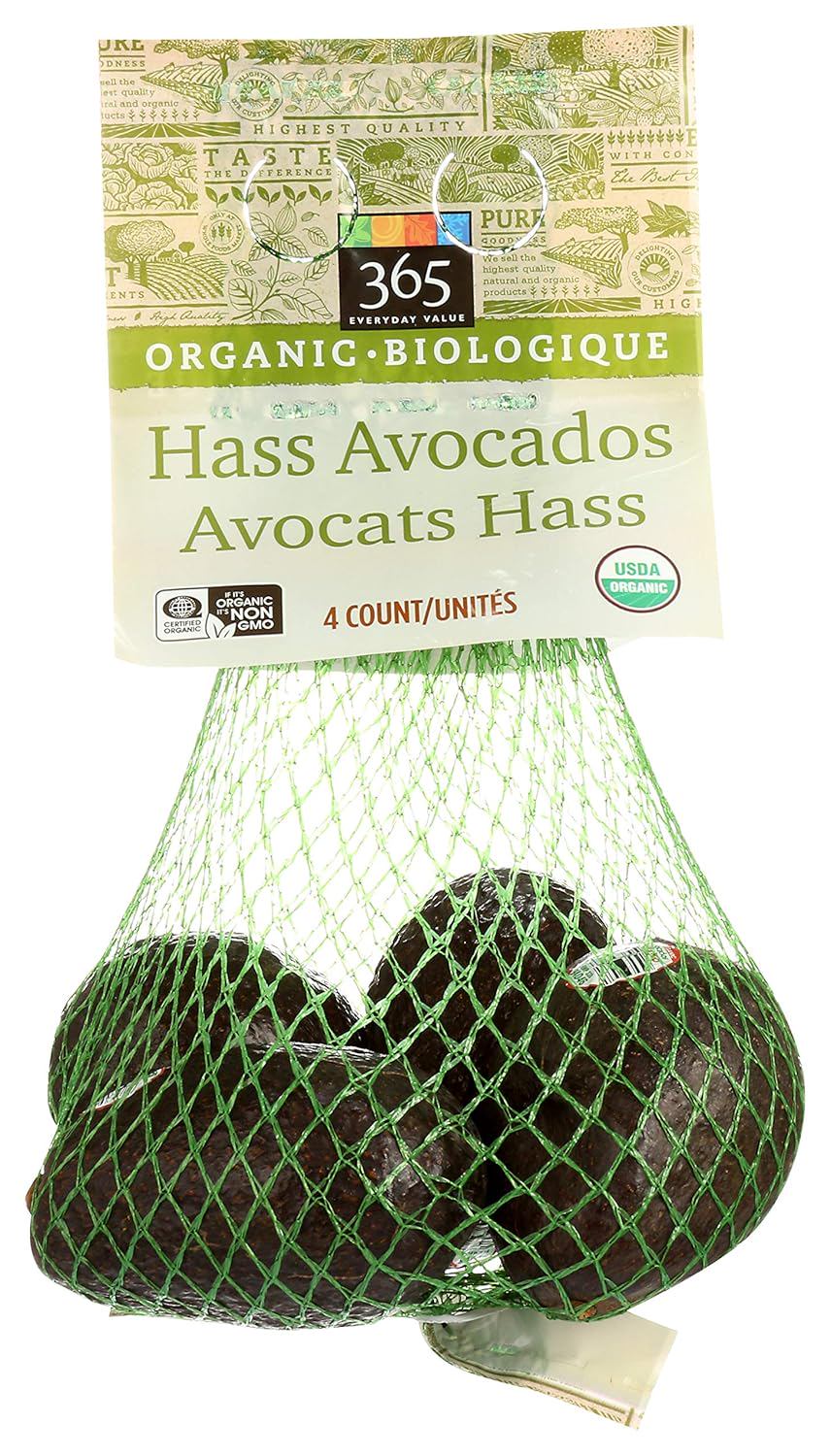
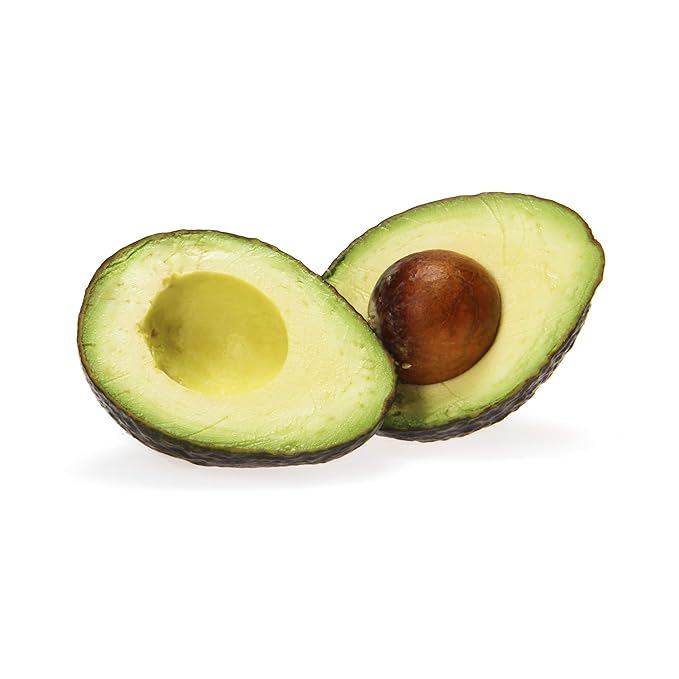
Fat and protein slow gastric emptying and blunt the glucose spike. A fat source like almond butter, chia seeds, avocado, or full-fat yogurt (even a dollop of coconut cream) will stabilize the release of sugar. A scoop of a clean protein powder (pea, hemp, or collagen) does the same. Without one of these, a smoothie is essentially a sugar drink.
Limit Fruit to One Serving
One cup of berries or half a banana is plenty. If you want sweetness, use a small amount of frozen mango or pineapple. Do not default to “a handful of this, a handful of that.” Vegetables like spinach, cucumber, and celery should make up the bulk of the volume.
Eat Your Fruit First
If you love a morning smoothie, consider having a small piece of whole fruit 15–20 minutes before you drink it. This triggers early satiety signals and provides intact fiber to slow absorption when you do drink the smoothie. Alternatively, eat the fruit whole and use the blender only for vegetables and protein.
Slow Down the Consumption
Sipping a smoothie over 30–45 minutes instead of gulping it down in five minutes gives your gut more time to process the sugar gradually. Put a lid on it and treat it like a beverage to nurse, not a meal to finish.
The Role of Ingredients You Can’t See
Another common mistake is relying on “superfood blends” or pre-made powders that contain hidden sugars under names like evaporated cane juice, brown rice syrup, agave nectar, or tapioca starch. These ingredients can spike glucose just as fast as white sugar. Always read labels. If a “green powder” lists fruit juice solids or dried coconut sugar as its second ingredient, you are essentially drinking liquid sugar with a side of chlorophyll.
What to Drink Instead
If you are prone to cravings and want a non-triggering beverage, try these:
- Iced green or black tea (unsweetened) with a squeeze of lemon.
- Sparkling water with a splash of pomegranate juice (use just a tablespoon).
- Bone broth or hot broth—savory, mineral-rich, and completely neutral for blood sugar.
- A single-shot vegetable juice (celery, cucumber, ginger) without fruit.
- Chicory root tea or roasted dandelion tea—naturally sweet flavor without sugar.
The Bigger Picture: Context Matters
Finally, remember that a healthy drink does not exist in a vacuum. If you are dehydrated, stressed, or have not slept well, your body is already primed for a crash. A fiberless, high-sugar drink on an empty stomach in a stressed state is a recipe for a craving attack. The drink itself is not the enemy—the timing and composition are.
The goal is not to fear sugar, but to understand how it behaves when divorced from its natural context. A small adjustment—adding a tablespoon of seed butter, swapping one fruit for a leafy green, or simply drinking more slowly—can turn that healthy drink back into a tool that fuels you, rather than a trigger that derails you.