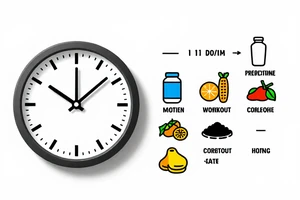

For many people, the end of a long day leads straight to the kitchen. Dinner wraps up, the dishes are cleared, and then—almost automatically—the hand reaches for a snack while settling onto the couch. That evening bowl of cereal, the last few bites of a child's leftover mac and cheese, or a square of dark chocolate while scrolling the phone might seem harmless. But eating too close to bedtime is one of the most common and underrated disruptions to both sleep quality and metabolic health.
It is not about strict rules or calorie counting at 10 p.m. The issue is simpler: your body was designed to rest and digest on separate schedules. When you eat right before lying down, you ask your digestive system to work overtime while your brain tries to power down. Over time, this small habit can interfere with deep sleep, acid reflux, blood sugar regulation, and even the body's overnight fat-burning process.
What happens when you eat late at night?
The human body runs on a circadian rhythm—an internal clock that dictates when systems should be active and when they should slow down. Digestion is meant to be most efficient earlier in the day. By late evening, the production of melatonin rises to prepare you for sleep, and the digestive tract naturally slows its pace.
When you eat a full meal or even a substantial snack within one to two hours of bedtime, you create a conflict. Your stomach is still churning through carbohydrates and fats while your body is trying to lower its core temperature and heart rate for rest. The result? Lighter, more fragmented sleep. You might not wake up fully, but your sleep cycles are interrupted, reducing time spent in deep and REM stages.
Beyond sleep, late eating has been linked to higher fasting blood sugar levels the next morning and a greater tendency to store fat, since the body is less insulin sensitive at night. For people prone to heartburn or GERD, lying down with a full stomach makes it much easier for stomach acid to escape into the esophagus, causing that burning sensation that further disrupts sleep.
What counts as eating too close to bedtime?
Most sleep and nutrition experts recommend stopping all calorie intake at least two to three hours before you turn out the lights. For a person who goes to bed at 10:30 p.m., that means the kitchen should be closed by 7:30 to 8:30 p.m.
This window is not arbitrary. It takes roughly two to three hours for the stomach to empty a moderate mixed meal into the small intestine. Allow that much time, and the heavy work of digestion is mostly finished before you lie down. A small glass of water or herbal tea is fine. But solid food, especially meals high in fat, protein, or fiber, needs that full buffer.
Is a late snack always a problem?
There is a difference between a bedtime snack and a late meal. A very small, easily digestible snack—such as a few almonds or a small piece of fruit—might not cause trouble for everyone. But the key word is small. The problem arises when the evening eating session becomes the equivalent of a second dinner or a prolonged grazing period that extends until sleep.
Many people fall into the pattern of mindless snacking while watching television or using a phone. Because they are distracted, they consume far more than they realize, and they eat right up until the moment they close their eyes. That is the mistake this article addresses—not a planned, small snack, but the habit of eating too much, too late.
If you have to choose between a late meal and skipping it entirely, a very light snack is better than going to bed hungry, because hunger itself can disrupt sleep. But the goal should be to shift your eating window earlier whenever possible.
How to fix the habit of eating too close to bedtime
Breaking the late-eating cycle does not require willpower alone. It requires a strategy. Most people do not eat late because they are truly hungry. They do it because of boredom, stress, habit, or simply because the day's schedule pushed dinner late.
The following steps are practical, evidence-informed ways to close the kitchen earlier without feeling deprived or frustrated.
Set a firm kitchen-closing time
Choose a time that is two to three hours before your typical bedtime and treat it as a non-negotiable boundary. Consider setting an alarm on your phone or a timer in the kitchen. When that alarm goes off, it signals the end of eating for the night—not the start of a debate with yourself.
The first week might feel awkward, but the habit becomes easier once you see improvements in sleep quality. Many people notice they wake up less groggy and feel lighter in the morning.
Eat a satisfying evening meal
One of the main reasons people snack late is that dinner was not substantial enough. If your evening meal is too small, too low in protein or fiber, or eaten too early, your blood sugar can dip a few hours later, triggering cravings.
Make sure your dinner includes a solid source of protein (chicken, fish, beans, tofu, or eggs), plenty of vegetables, and a modest serving of complex carbohydrates like quinoa, sweet potato, or brown rice. This combination keeps you full and stabilizes blood sugar for hours.
Brush your teeth earlier
It sounds simple, but it works. Brushing your teeth right after your evening meal—not just before bed—signals your brain that eating time is over. Once your mouth feels clean, you are far less likely to reach for another snack. Many people find this behavioral cue surprisingly effective.
Replace the evening snack with a ritual
Late eating is often a response to a need for comfort or wind-down time, not actual hunger. The solution is to replace the snack with something that fulfills the same emotional need without calories. A warm cup of chamomile or peppermint tea, a short stretching session, writing in a journal, or reading a few pages of a book can all serve as a satisfying end to the day.
The goal is to create a clear separation between eating and sleeping. If the hands and mind are occupied with a peaceful activity, the urge to eat usually fades within ten minutes.
Identify and address the root cause
Ask yourself honestly: Am I eating because I'm hungry, or am I eating because I'm tired, bored, stressed, or lonely? Late-night eating is often driven by emotions or fatigue. If you find yourself consistently craving sugar or carbs after 9 p.m., it could be a sign that you are not eating enough during the day, or that your stress levels are high and your body is seeking a quick dopamine hit.
Keeping a simple journal for a few days—noting what you eat and how you feel before the eating episode—can reveal patterns. Once you know the real trigger, you can choose a more appropriate response.
Putting it all together
The common mistake of eating too close to bedtime is not a sign of poor discipline. It is a modern lifestyle pattern that conflicts with ancient biology. The fix is not about perfection or deprivation. It is about shifting the timing of meals, building satisfying dinners, and replacing the bedtime snack ritual with a calming alternative that supports sleep rather than working against it.
Small changes made consistently have a compounding effect. A person who stops eating three hours before bed for one month will very likely notice deeper sleep, steadier morning energy, and less bloating. Over the long term, this single adjustment can support better weight management and a healthier relationship with food. The goal is not to suffer through hunger pangs but to respect the body's natural rhythm—and to let both digestion and rest do their jobs well.