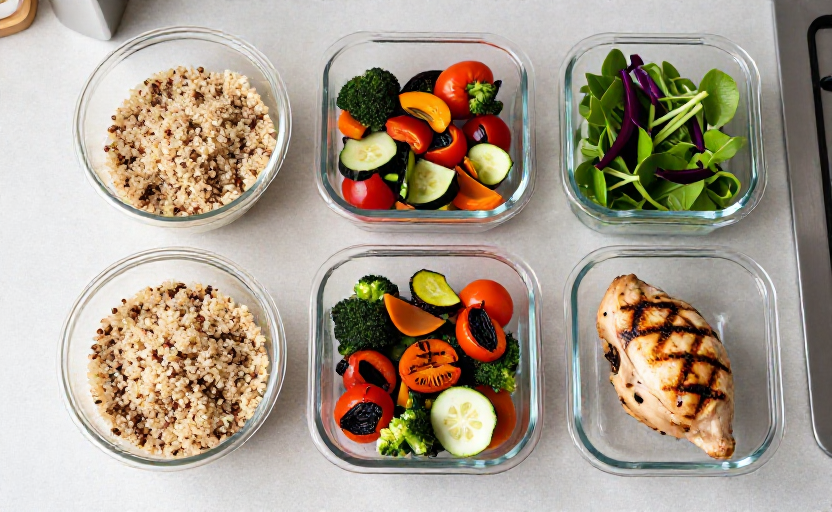
You know the feeling. It’s 6 p.m., you’re tired, and the thought of figuring out a healthy dinner feels like one task too many. So you order in, or grab something quick, and suddenly you’re eating far more than you intended. This cycle isn’t about a lack of willpower; it’s a design flaw in a busy day. The secret to breaking it isn’t complicated cooking or rigid diets. It’s a simple, sustainable system: meal prep for portion control.
This approach isn’t about spending your Sunday in the kitchen. It’s about using a little strategic time to build a framework that supports you all week. By preparing key components in advance and pre-portioning them, you remove the daily guesswork and decision fatigue. You create an environment where the easy choice is also the balanced one.
Why Portion Control Matters More Than Perfection
Forget the all-or-nothing mindset. The goal here isn’t to eat “perfectly” according to some external standard. It’s about aligning your eating habits with your body’s actual needs, which naturally supports weight management and stable energy. When we’re busy and hungry, our ability to judge appropriate portions flies out the window. A pre-portioned meal or snack acts as a gentle, automatic stop signal.
Think of meal prep not as a chore, but as a gift to your future self.
This method also reduces food waste and saves money, as you’re only cooking and consuming what you’ve planned. Most importantly, it gives you back mental space. The constant “what’s for dinner?” anxiety disappears, replaced by the calm assurance that a nourishing meal is already waiting.
The Core Principles of Simple, Sustainable Prep
Effective meal prep rests on a few foundational ideas. Embrace these, and the process becomes almost effortless.
Batch Cook Components, Not Just Complete Meals. Instead of making 5 identical containers of chicken, rice, and broccoli, think in terms of building blocks. Cook a large batch of a versatile protein like shredded chicken or baked tofu. Roast two sheet pans of different vegetables. Cook a pot of quinoa or brown rice. Store these components separately. Throughout the week, you can mix and match them into bowls, salads, wraps, or stir-fries in minutes, preventing palate fatigue.
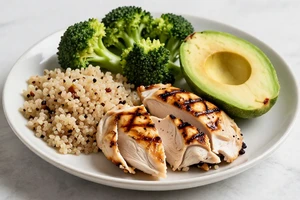
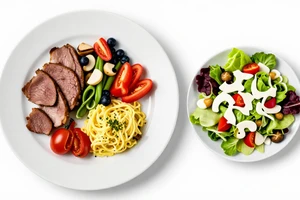
Portion with Your Eyes (and Your Containers). Visual cues are powerful. A helpful guideline is to mentally divide your plate: aim for half non-starchy vegetables, a quarter lean protein, and a quarter whole grains or starchy vegetables. Use consistent containers—seeing the same sized bowl for your oatmeal or lunch salad trains your eye for what a satisfying portion looks like for you.
Embrace the “No-Cook” Prep. Not all prep involves the stove. Wash and chop celery, bell peppers, and carrots for quick snacks. Rinse and spin-dry salad greens. Hard-boil a dozen eggs. Portion out single servings of nuts or yogurt. These ready-to-eat items are your first line of defense against impulsive, less-balanced choices.
A Flexible, 90-Minute Weekly Prep Plan
You don’t need a whole day. A focused 90-minute session can set you up for success. Here’s a adaptable framework.
Start by preheating your oven. While it heats, chop vegetables for roasting—broccoli florets, sweet potato cubes, bell pepper strips. Toss them with a little oil, salt, and pepper, and spread them on parchment-lined baking sheets. They’ll roast hands-free for 20-30 minutes.
While the vegetables roast, tackle your protein. You could season chicken breasts or fish fillets to bake alongside the veggies, or brown lean ground turkey or lentils on the stovetop for taco bowls or pasta sauce. Simultaneously, get a grain cooking. Rinse quinoa or rice, add water to a pot, and let it simmer.
In the final moments, handle your no-cook items. Wash berries, portion Greek yogurt into small jars, and assemble a large container of leafy greens. Let everything cool before storing.
Smart Storage for Freshness
How you store food impacts how eagerly you eat it. Use clear glass containers so you can see what’s available. Let hot food cool completely before sealing the lid to prevent condensation and sogginess. Store dressings and sauces separately in small jars to keep components crisp. Most prepped ingredients will stay fresh for 3-4 days, so consider a mid-week “mini-prep” to refresh supplies if needed.
Building Your Portion-Controlled Plates
With your components ready, assembly is a joy. Here’s how to think about combining them.
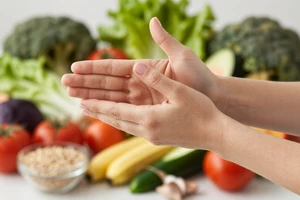
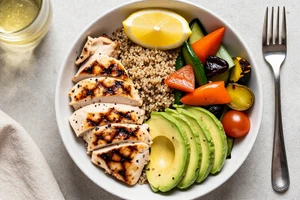
For a lunch bowl, start with a base of greens or grains. Add a palm-sized portion of your pre-cooked protein, a generous handful of roasted vegetables, and a sprinkle of something for crunch, like seeds. Add your separate dressing just before eating.
For a quick dinner, sauté some pre-chopped onion and garlic, add a portion of your cooked protein and a cup of roasted veggies, toss with a splash of broth and your favorite herbs, and serve over a portion of the pre-cooked grains. It feels freshly made but comes together in under 10 minutes.
Your snacks and breakfasts are already solved. Grab a pre-portioned container of yogurt with berries, a hard-boiled egg with carrot sticks, or a small bag of nuts and an apple.
Adapting the System for Your Life
The beauty of this system is its flexibility. For a single person, prep might mean creating components for three days at a time. For a family, it could involve prepping larger batches of core items and letting everyone build their own bowls or tacos on busy nights.
If you truly despise weekday cooking, you can take component prep further and assemble full, portioned meals for the freezer. Soups, stews, and chili are perfect for this. Simply thaw and reheat.
Remember, the objective is to make your life easier, not to add another layer of stress. If a week goes sideways and you don’t prep, simply start again. It’s a tool, not a rule. The small investment of time returns itself many times over in calm, control, and nourishment throughout your busy week.