You already know protein is key for weight loss. It keeps you full, supports muscle mass, and gently nudges your metabolism. But does the clock matter? Science suggests that when you eat protein can influence how your body uses it for fat loss. Here’s a clear look at the research and a practical rhythm to follow.
Why protein timing matters for weight loss
Your body processes protein differently throughout the day. Studies show that spreading protein intake across meals — rather than loading up at dinner — helps regulate appetite and preserve lean muscle. Muscle burns more calories at rest than fat does, so keeping it intact supports a higher resting metabolic rate. Research also indicates a higher-protein breakfast can reduce cravings later in the day, which may help you stick to your calorie goals without feeling deprived.
Morning: the strongest signal for appetite control
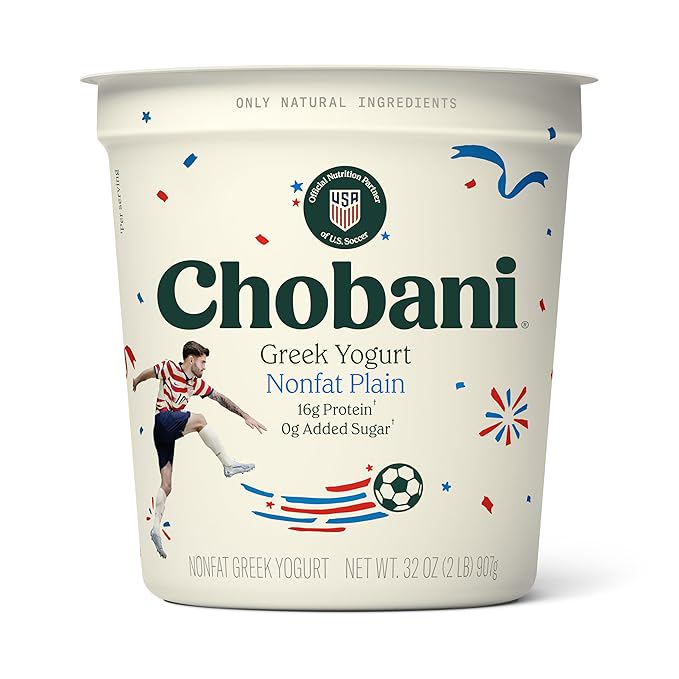
Multiple studies point to breakfast as the most impactful window for protein. A 2015 study published in the American Journal of Clinical Nutrition found that people who ate a protein-rich breakfast (around 30 grams) reported significantly less hunger and consumed fewer calories at lunch compared with those who ate a lower-protein morning meal. The mechanism involves satiety hormones such as peptide YY and GLP-1, which rise after protein intake and tell your brain you’re full. Starting the day with eggs, Greek yogurt, or a quality protein shake may help you avoid mid-morning snacking.
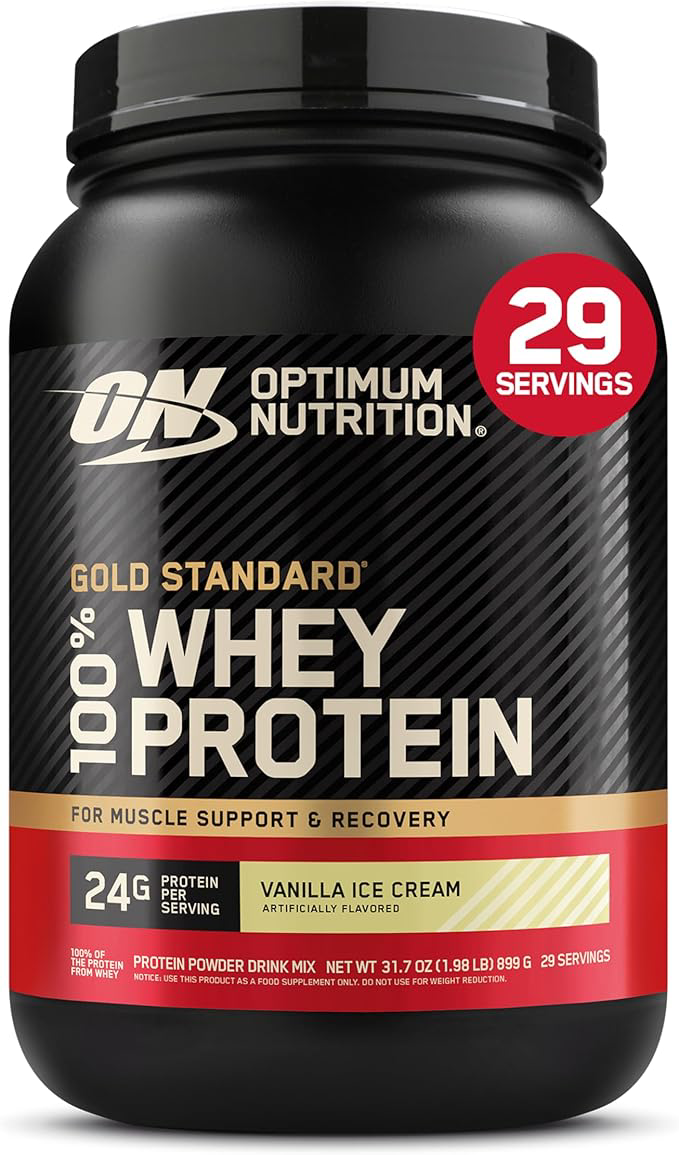
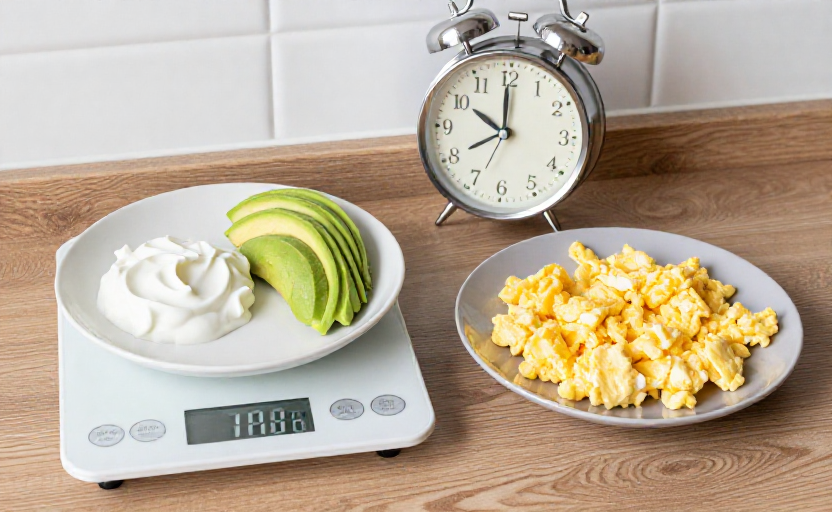
Aim for roughly 25–35 grams of protein at breakfast — roughly the amount in three eggs with a cup of cottage cheese or a scoop of whey in a smoothie.
Spreading protein out: the 30-gram strategy
Beyond breakfast, the timing advantage comes from distribution. A 2014 study from the University of Texas found that participants who evenly split their protein among breakfast, lunch, and dinner had higher rates of muscle protein synthesis than those who skimped at breakfast and overdid it at dinner. Muscle protein synthesis is your body’s way of repairing and building lean tissue. The sweet spot, according to the research, appears to be roughly 30 grams of protein per meal — a pattern often called the “30-gram ceiling.” Eating more than that in a single sitting doesn’t provide extra muscle benefit; instead, the excess amino acids are oxidized for energy or stored as fat.
Evening: don't skip it, but keep it moderate
That doesn’t mean dinner is unimportant. A small 2020 study in Nutrients looked at people who consumed most of their protein at dinner and found they had less favorable body composition outcomes than those who distributed intake more evenly. However, a moderate serving of protein at dinner — around 25–30 grams — can still support overnight muscle repair and keep you satisfied until breakfast. The key is balance: avoid the common pattern of a carb-heavy, low-protein dinner that leaves you hungry an hour later.
Pre- and post-workout timing for extra benefit
If you exercise, the window around workouts deserves attention. Research supports consuming protein within two hours after resistance training to maximize muscle repair and growth. A 2017 meta-analysis in the Journal of the International Society of Sports Nutrition concluded that total daily protein intake matters most, but a post-workout dose of 20–30 grams can improve recovery. For weight loss, this helps preserve the muscle you’re working hard to build, which in turn keeps your metabolism ticking. Timing a post-workout protein shake or meal — ideally one that includes a small amount of carbohydrates — can be a practical anchor in your daily plan.
Practical takeaways you can start today
- Shift some protein to breakfast. If you usually eat a bagel or cereal, try eggs, Greek yogurt, or a protein smoothie. Aim for 25–35 grams.
- Balance your day. Roughly 30 grams at each meal — breakfast, lunch, dinner — is a science-backed target. Use an app or a rough eye to check portions.
- Use protein around workouts. Within two hours of exercise, eat a protein-rich meal or shake. This supports muscle preservation and recovery.
- Don’t cut evening protein completely. A moderate dinner (think chicken, fish, tofu, or legumes) helps maintain satisfaction and overnight repair.
No single meal is magic, and total daily protein still matters most. For weight loss, the science supports a pattern: start with a protein-rich breakfast, keep servings consistent across the day, and anchor a serving near your workout. Small shifts in timing, repeated daily, can make a meaningful difference in how your body holds onto lean mass — and how easily you hit your weight goals.