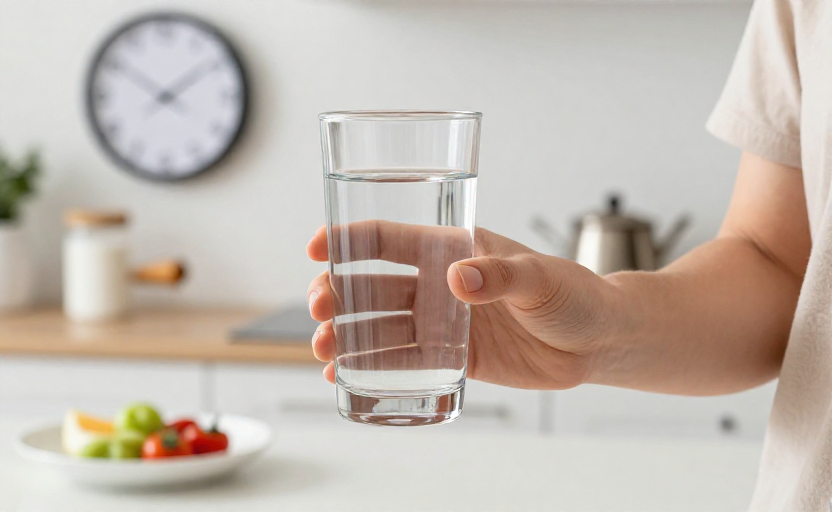
You already know that drinking water is essential for health. But when it comes to weight loss, the timing of your hydration can make a surprising difference. You might be sipping water all day without realizing that strategic timing—especially around meals and workouts—could help support your metabolism, curb unnecessary snacking, and even reduce bloating.
This isn't about chugging gallons or following a rigid schedule that makes you feel waterlogged. It's about understanding your body's natural rhythms and using water as a practical tool to support your goals. Here's what the science and common sense say about the best times to drink water for weight loss.
Why timing matters for hydration and metabolism
Water doesn't directly burn fat, but it plays a supporting role in several processes that influence weight. Staying well-hydrated keeps your metabolism functioning efficiently—even mild dehydration can slow it down slightly. Water also helps your body break down stored fat for energy, a process called lipolysis. When you're dehydrated, that process is less efficient.
Beyond the biochemical side, drinking water at the right moments can help you feel fuller, reduce liquid calories from sugary drinks, and improve your energy for physical activity. All of these add up over time.
Drink water before meals to support portion control
One of the most researched and practical timing strategies is drinking water about 30 minutes before a meal. Studies have shown that people who drink roughly 16 ounces (about two cups) of water before eating tend to consume fewer calories during that meal. The mechanism is straightforward: water takes up space in your stomach, which can help trigger fullness signals earlier.
This doesn't mean you have to force down a huge glass right before every plate of food. A moderate 8 to 16 ounces works well. The key is to sip it calmly and give your body a short window to register that fluid before you start eating. It is a simple habit that costs nothing and carries no side effects for most people.
A note on pre-meal water and digestion
There's a common worry that drinking water with meals dilutes stomach acid and impairs digestion. For most healthy people, this is not a concern. Your stomach maintains a fairly stable acidic environment, and the amount of water typically consumed with a meal is not enough to disrupt digestion significantly. In fact, adequate hydration helps move food through your digestive tract smoothly.
Swap sugary drinks with water throughout the day
This might seem obvious, but it is worth stating directly: replacing sodas, sweetened coffees, juices, and energy drinks with water is one of the most effective changes you can make for weight loss. Liquid sugar is easy to overconsume because it doesn't trigger the same fullness signals as solid food.
The best time to drink water for weight loss can simply be any time you would normally reach for something sweet. Keep a water bottle on your desk, in your car, or in your bag. If plain water feels boring, add a slice of lemon, cucumber, or a few mint leaves. The goal is to make water the default choice, not the exception.
Drink water before, during, and after exercise
Exercise performance matters for weight loss—the harder and longer you can move, the more energy you expend. Dehydration, even at two percent of body weight, can reduce your endurance, strength, and motivation. That is why timing your water intake around workouts is critical.
- Before exercise: Drink about 8 to 16 ounces of water two hours before you work out. This ensures you start in a hydrated state without feeling overly full.
- During exercise: Sip water every 10 to 15 minutes, especially if you are sweating heavily or exercising for longer than 60 minutes. For most moderate workouts, plain water is sufficient.
- After exercise: Replenish fluids lost through sweat. A good rule of thumb is to drink about 16 to 24 ounces of water for every pound of body weight lost during the session.
When you maintain good hydration around exercise, your body can work more efficiently, which supports overall calorie burn and long-term weight management.
Drink water when you feel hungry
Thirst and hunger signals can be confusing because they originate from similar regions of the brain. It is not uncommon for mild dehydration to feel like a craving for a snack. Before reaching for food, try drinking a glass of water and waiting 10 to 15 minutes. This simple check can help you distinguish between true hunger and simple thirst.
This is not a strict rule for every hunger pang, but it is a useful habit. If you are trying to manage portions or cut back on evening snacking, drinking water first can be a practical strategy.
Drink water earlier in the day to avoid nighttime disruptions
Drinking water is healthy, but gulping large amounts right before bed can disrupt your sleep with nighttime bathroom trips. Poor sleep is linked to hormonal changes that can increase appetite and cravings, which works against weight loss efforts.
A practical approach is to front-load your hydration earlier in the day. Aim to drink the bulk of your water between waking up and early evening. You can still have small sips in the evening if you are thirsty, but avoid drinking large volumes within an hour or two of going to bed. This helps you stay hydrated without sacrificing rest.
A sample daily water timing plan
Everyone's body and schedule are different, but a general template might look like this:
- Upon waking: 8 to 12 ounces of water. Your body becomes mildly dehydrated overnight, so starting your day with water helps rehydrate and support digestion.
- Mid-morning: Another 8 to 12 ounces. This helps maintain energy and focus.
- 30 minutes before lunch: 8 to 16 ounces of water to help with portion control.
- During afternoon: Consistently sip water to stay hydrated. This is also a good time to drink if you exercise later in the day.
- Before and during evening workout (if applicable): Drink as needed based on thirst and sweat.
- Early evening dinner: Consider another pre-meal glass if it helps.
- Late evening: Small sips only if thirsty. Avoid large amounts.
This plan is flexible. The goal is not perfection but consistency. Most adults need roughly 8 to 12 cups of total fluid per day from water and other beverages, though individual needs vary based on activity level, climate, and body size.
A quick tip: Check your urine color. Pale yellow usually means you are well-hydrated. Dark yellow can be a sign to drink more water.
The bottom line
The best time to drink water for weight loss is not a single magic moment. It is a combination of strategic timing: before meals to support fullness, around exercise to boost performance, and as a default swap for sugary drinks. Staying consistently hydrated throughout the day supports metabolism, helps manage hunger, and makes healthier choices easier. There is no need to overcomplicate it—just keep water accessible and drink when it serves both your thirst and your goals.